


Sustainable development is a matter of making choices and decisions that satisfy all relevant social, economic and environmental concerns.
Many countries today are embracing green mobility plans, yet lack a steady stream of sustainable, renewable energy to power their mobility solutions.
However, on the Red Sea coast of Saudi Arabia, the Red Sea Development Co. is committed to going beyond the current understanding of what it means to be sustainable in order to actively enhance its flagship tourism destination, recently announcing that the project will be powered with 100 percent renewable energy, 24 hours a day, via solar and wind power.
The developer is also investigating other solutions with the aim of minimizing the destination’s carbon footprint and intends to become carbon negative — removing more carbon from the atmosphere than is produced.
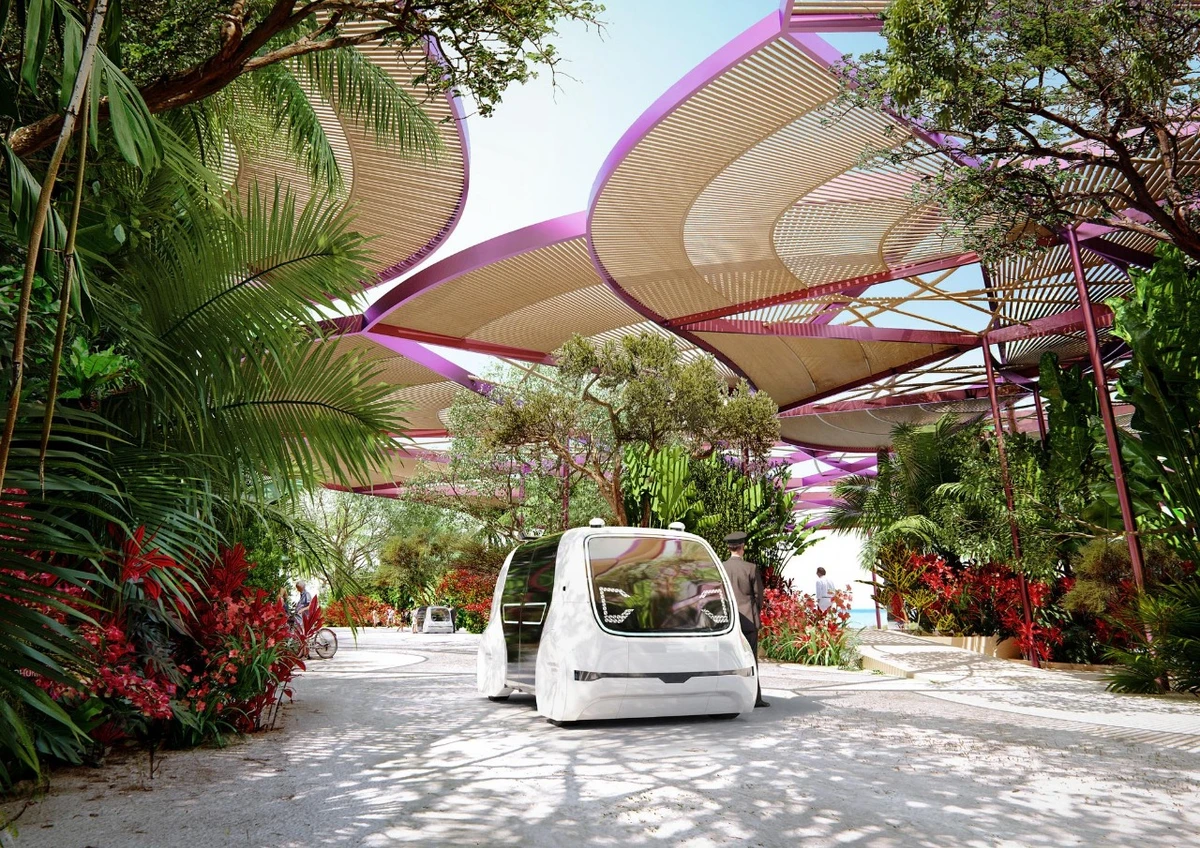
So the desire to use electric and hydrogen vehicles at the destination is a natural next step. However, finding the right sustainable vehicles, especially for air and marine travel, and providing an integrated solution is no easy task.
The objective to identify commercially viable clean technologies that are resilient and match the luxury aspirations of the destination is a challenge.
The company recently awarded UK-based engineering firm Mott MacDonald a contract to deliver a comprehensive analysis of the land, sea and air transport needs for the development and operation, as well as to identify the most appropriate supporting infrastructure. Mott MacDonald is supported by specialists including Energetics and BMT.
When developing the mobility strategy there is a great deal to consider: Identifying how many vehicles are needed, looking at the sustainable options available in the market today, and how many of these options are realistic, safe and reliable.
Beyond these aspects, research is also needed to look at innovations and new technologies that might be available in the near future.
Another key element is to identify the infrastructure network to support clean mobility.
The destination will require locations for charging electric vehicles, for example, so part of the strategy will outline these requirements and an implementation plan for a site-wide network.
The infrastructure needed might be an individual charging point at one of our hotels or villas, or a central charging location at the airport.
And these vehicles will include more than cars. We will have micro-mobility, such as electric bicycles and scooters, as well as electric boats and even short-haul aircraft.
This is an important aspect of the next stage of our development to ensure we have the “best in class” fleet to provide ease of movement and comfortable guest travel, while staying true to our sustainability goals.
• Faisal Butt is a senior project delivery director at the Red Sea Development Co.


