

There is one aspect of politics in which nobody in Israel can match Benjamin Netanyahu: his ability to take whatever election results emerge, portray them as a victory and form a government. Shamelessness and a lack of any moral compass have served the Israeli leader’s unquenchable thirst for power. Over time, these have been accompanied by a strong sense of entitlement, which has most probably contributed to the corruption trial he is facing and vice versa.
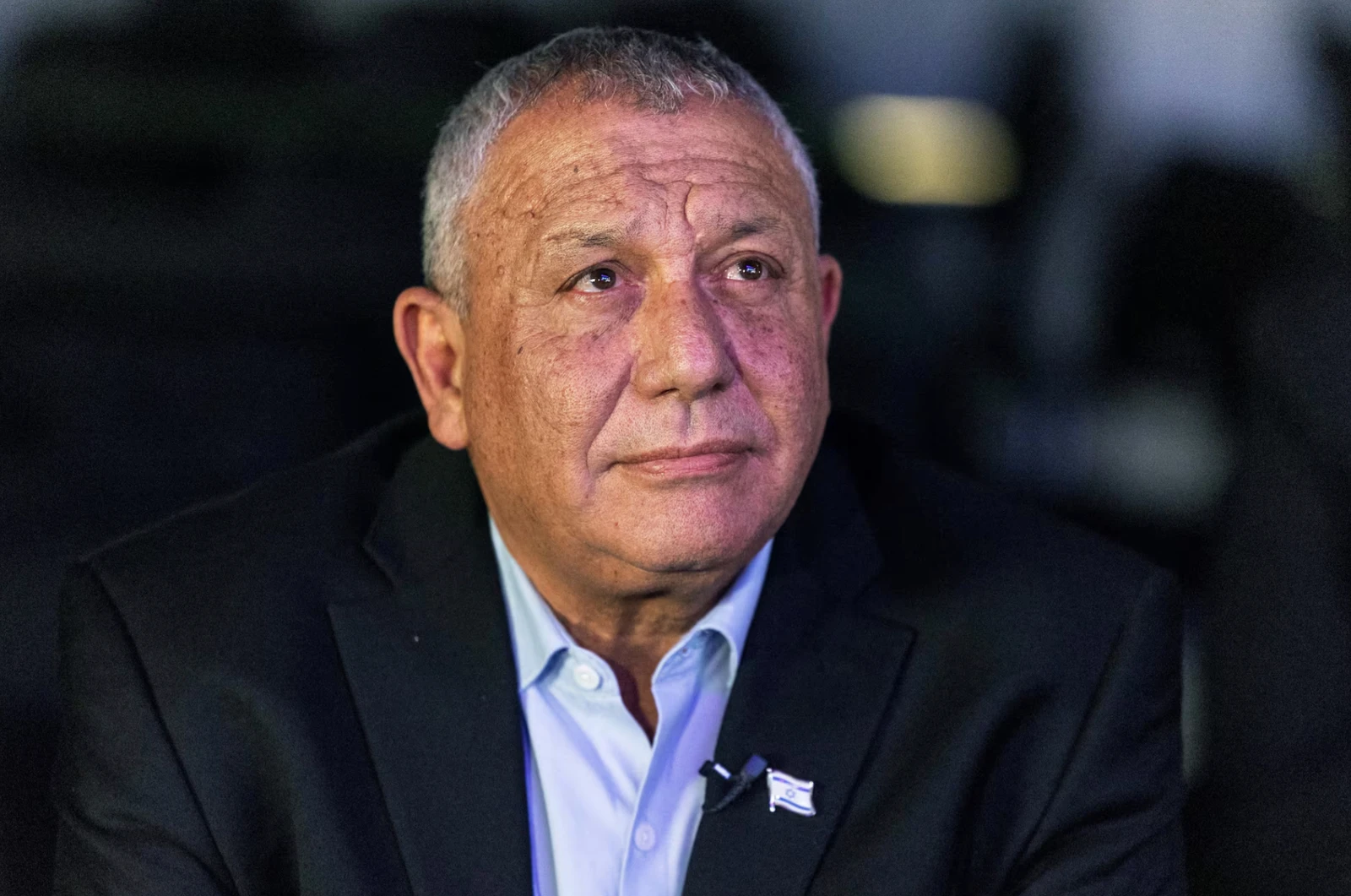
Last month’s election presented him with a different challenge: playing the role of disruptor primarily, hoping to secure another opportunity at the ballot box, as he appears incapable of retaining the position of prime minister. The odds of preventing this outcome are with Gadi Eisenkot, but he needs to genuinely believe that forming a coalition is within his grasp and translate the majority of the members of the Knesset opposed to another Netanyahu government into a viable political force, presenting Israel with a genuine alternative.
By the time this is written, nearly two weeks of the four weeks allocated to Eisenkot to form a government will have passed though he can request a two-week extension. His task is multifaceted. He must keep onside the parties within his bloc, who are not necessarily on the same page on every issue; negotiate with potential coalition partners, as well as those prepared to support his government from outside the coalition; and fend off the incitement orchestrated by Netanyahu and his allies against some of his potential partners, and against Eisenkot himself, should he refuse to form a government with Likud and agree to Netanyahu remaining prime minister.
This is certainly a tall order for someone who is a relative political novice compared with a veteran political brawler such as Netanyahu, who has shown little hesitation in dragging the entire country through the murkiest of political sewers to remain in power. Yet this is not impossible, as there is now an opportunity to reject this brand of politics and those most closely associated with it. Eisenkot can do so by leveraging the 67 of 120 members of the Knesset elected on a mandate for change. Acting swiftly would help ensure the political system internalizes this shift and reassure the public that, by the end of this process, Netanyahu, his Likud party, and their far-right partners will be consigned to the opposition benches.
Eisenkot must recognize that the momentum is on his side — and he must act before it slips away.
Yossi Mekelberg
Israel’s current political situation is anomalous. The interim government, which remains the government that was in place before last month’s election, retains almost all executive powers but no longer enjoys the confidence of the newly elected parliament. Given Netanyahu’s political intentions, those representing the majority of the members of the Knesset felt time was of the essence to make an immediate impact. They moved immediately to convene three of the most influential Knesset committees, which will operate in the interim until a coalition is formed. These include the Arrangements Committee, which has the authority to oversee parliamentary business, including establishing temporary and special committees. This has already led to the establishment of committees tasked with repealing the anti-democratic legislation passed by the previous Knesset. The powerful Foreign Affairs and Defense Committee, now led by Yisrael Beiteinu leader Avigdor Lieberman, and the Finance Committee, chaired by Liran Avisa Ben Horin of B’Yachad, are further examples of the “change bloc” beginning to assert itself.
With time running out before several bills designed to weaken Israeli democracy are due to take effect at the beginning of 2027, newly assigned committees have an essential role in repealing legislation enacted by the last Knesset that compromises judicial independence and weakens the other guardians of the democratic system. Among these is Attorney General Gali Baharav-Miara, whom Netanyahu and his Cabinet have made a particular target of hostility, doing everything within their power to remove from office. More than anyone else, Baharav-Miara has come to symbolize courage and perseverance in the face of pressure and intimidation from the prime minister and other ministers. She has remained a steadfast defender against the efforts of Cabinet members who appear to believe that they are above the law — or, if the law still stands in their way, that it is time to change it. Her role is especially important now, amid unsubstantiated allegations that the election was “stolen” through foreign interference intended to benefit the Arab parties.
Convening the Foreign Affairs and Defense Committee and appointing one of Netanyahu’s staunchest political opponents to chair it also provides the elected legislature with a degree of oversight should the Israeli leader attempt further military adventurism, for instance in Iran. This is particularly important given Chief of Staff Eyal Zamir’s reported opposition, the apparent lack of enthusiasm in Washington, and objections from much of the region. To complete this assertion of parliamentary authority, the Knesset elected a new speaker on Tuesday, Matan Kahana, a key position in ensuring the legislature is run impartially and with proper regard for parliamentary convention.
Taking these steps within the first week of the new Knesset is significant. They represent an attempt to restore a degree of normality and the standards of civility that the right has abandoned. Netanyahu’s allies have made a habit of increasing the volume of their verbal abuse of political opponents, bringing the institution that represents the people into disrepute. With a majority of the Knesset now affirming its authority, as voters mandated, the prospect of forming a new government feels increasingly within reach.
Eisenkot and those in his “change bloc” understand that Netanyahu and his allies, both inside and outside the political system, will continue their unscrupulous campaign of fearmongering and intimidation. Their objective will be to coerce them into forming a coalition with Likud in which Netanyahu remains prime minister. He might even offer a rotation agreement, under which he would hand over the premiership halfway through the Knesset’s term. This must be rejected outright. It is not what voters supported; it would prevent Israel from moving forward, and is there anyone who genuinely believes Netanyahu would honor a promise to vacate the prime minister’s office?
Taking control of the Knesset and setting the political agenda are only the first steps in showing the public there is another way. To consolidate this momentum, the next step must be to reach a coalition agreement that minimizes compromises on the promises made during the election campaign. Ra’am, led by Mansour Abbas, was already a partner in the Bennett-Lapid government and is willing to join another such arrangement. The other Arab party, the Joint List, is prepared to support a government from outside the coalition. Meanwhile, one ultra-Orthodox party, United Torah Judaism, is engaged in serious coalition negotiations. If an agreement can be reached on conscripting at least some of its young men into the army, a relatively stable government could emerge.
The opportunity is there. Seizing it will require courage, determination, and political vision. Eisenkot must recognize that the momentum is on his side — and he must act before it slips away.
Yossi Mekelberg is a professor of international relations and an associate fellow of the MENA Program at Chatham House.
X: @YMekelberg


