
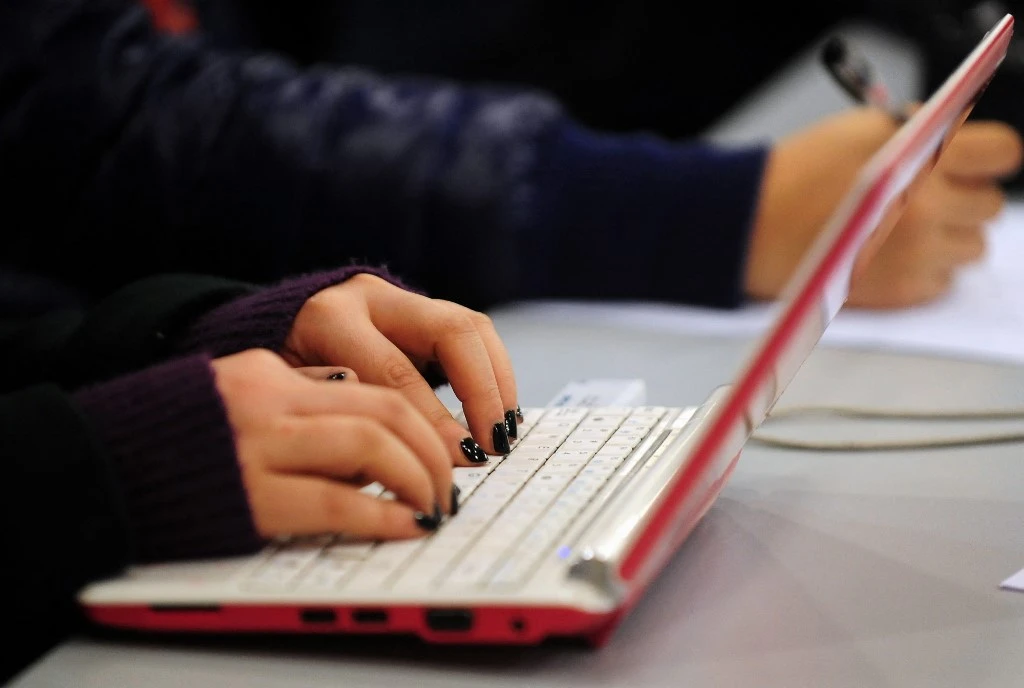

We live in a digital world. Digital technology is taking over more of our time, occupations and interactions as it advances into every aspect of our lives. We are aware of this; we accept it and adapt, actively integrating digitalization into our lives as part of progress and modernization. Digital transformation and digital integration are necessary components of development. Thus, everyone is concerned with being part of this process, but it does not affect or benefit everyone equally or in the same way.
The theme for the annual session of the UN Commission on Status of Women held last month in New York was “Innovation and technological change, and education in the digital age for achieving gender equality and the empowerment of all women and girls.” While speakers highlighted the opportunities and advantages that digital technology creates for women and girls, they also stressed the need for investment to bridge the gender digital divide, ensuring a safe digital environment, and the full participation of women and girls in the STEM subjects of science, technology, engineering and mathematics.
Digital technologies are providing unprecedented advances — improving social and economic outcomes — for women and girls around the world, particularly in disadvantaged and marginalized communities, rural areas and conflict zones. In Afghanistan, for example, girls banned from schooling can get some form of education and women can use technology to develop small home-based businesses. This requires the tools and infrastructure, digital literacy, digital skills and services, lack of which is a new form of poverty, referred to as digital poverty, which hinders national economic development.
Women and girls tend to have less access to technology and the internet compared with men and boys. In developing countries, in particular, they struggle to afford technology and internet access. According to the International Telecommunications Union, the gender digital divide is greatest in least developed countries. While globally in 2022, 69 percent of men used the internet compared with 63 percent of women, the comparable figures in low income countries were 21 percent of women and 32 percent of men. Meanwhile, 86 percent of women in developed countries used the internet.
According to the Global Entrepreneurship Monitor, the Kingdom is now the only country among 23 high-income GEM economies with higher startup rates for women than men.
Maha Akeel
The internet gap is largest in Africa, while in terms of mobile phone ownership, the gender digital divide is most pronounced in South Asia, where women are 26 percent less likely than men to own a mobile phone. In Arab states, Asia and the Pacific, and Africa, the gender gap is growing because most new internet users since 2013 have been men. The gap differs from country to country, and in Saudi Arabia it has been reduced significantly, with statistics from 2021 showing that the percentage of usage for males reached 94.4 percent and for females 90.8 percent, ownership of mobile phones was 98.7 percent for males and 95.7 percent for females, and usage of mobile phones was 98.6 percent for males and 96.7 percent for females.
On the other hand, digital technologies also pose other challenges and threats to women and girls. Even if they have the means and know-how to connect to the internet, they face more online harassment than men, which can be a deterrent to their full and equal presence and activity. Digital platforms have multiplied the reach of pornography, objectifying women and girls, and facilitated gender-based violence. Misinformation targeting women and girls is preventing them from fully benefiting from digital opportunities.
This disparity affects women and girls at the individual and social level — whether for educational purposes, health or financial services, or accessing information — and also hinders a country’s potential for economic growth and development when it comes to opening new businesses, markets and jobs.
Data from the OECD shows that women-owned startups receive 23 percent less funding and are 30 percent less likely to have a positive exit compared with male-owned businesses. This is more profound in the MENA region, where fundraising for all-male startup founding teams garnered 99 percent of the total funds during the January-August 2022 period, while a meager 1 percent went to tech startups founded or co-founded by women.
However, in Saudi Arabia, women are making considerable progress in the startup and investment sectors. According to the Global Entrepreneurship Monitor, the Kingdom is now the only country among 23 high-income GEM economies with higher startup rates for women than men, with a few succeeding in receiving funding from investors.
This trend in the MENA region is surprising considering that women make up almost half of STEM students in universities and an average of 60 percent across the Gulf — more than double the world average. In addition, women-led businesses are about half as likely as their male counterparts to remain in operation three years after launch, and 29 percent of female-owned businesses across the MENA region are global enterprises, which is a greater proportion than their male peers.
However, when looking at the pervasive gender disparity in the region across all aspects of the economic structure, it might not be that surprising. According to the World Economic Forum Global Gender Gap Report 2022, the MENA region accounts for the second-largest workforce gender gap after South Asia. A recent report by the UN Industrial Development Organization indicated that the region has the largest entrepreneurial disparity between men and women globally, with less than 5 percent women-led businesses compared with the global average of 23 percent to 26 percent. Women in the region face some of the highest levels of discrimination in accessing productive and financial resources.
To empower women and girls in the digital world, and harness their entrepreneurial potential and contributions to the economy and overall social development, more and better policies, programs and opportunities are needed to provide them with the tools, skills and resources for supporting, protecting and developing their presence and endeavors online.
- Maha Akeel is a Saudi writer based in Jeddah. Twitter: @MahaAkeel1


