

The full impact of the US midterm elections will not be clear until the Democrats decide who will be their leaders in the Senate and the House of Representatives. The people who occupy these positions will be critically important because of the power they exercise over most of the work done by both bodies — for example, who will serve on which committee and which bills actually come to the floor to be debated and voted on.
This concern was expressed quite clearly back in 2024, when Republicans were voting for who they would support as speaker of the House. After several inconclusive rounds of voting, a freshman Republican spoke eloquently about why he could not support the existing leadership. He noted that he came to Washington with the concerns of his voters foremost on his mind. He wanted to debate issues and help to write or amend legislation. He soon discovered that none of this was possible under the current system and his party’s leadership. A small group, he noted, met behind closed doors and decided which bills to advance and which amendments would be allowed. It was, he maintained, the very antithesis of the idea of democracy that had motivated his run for office.
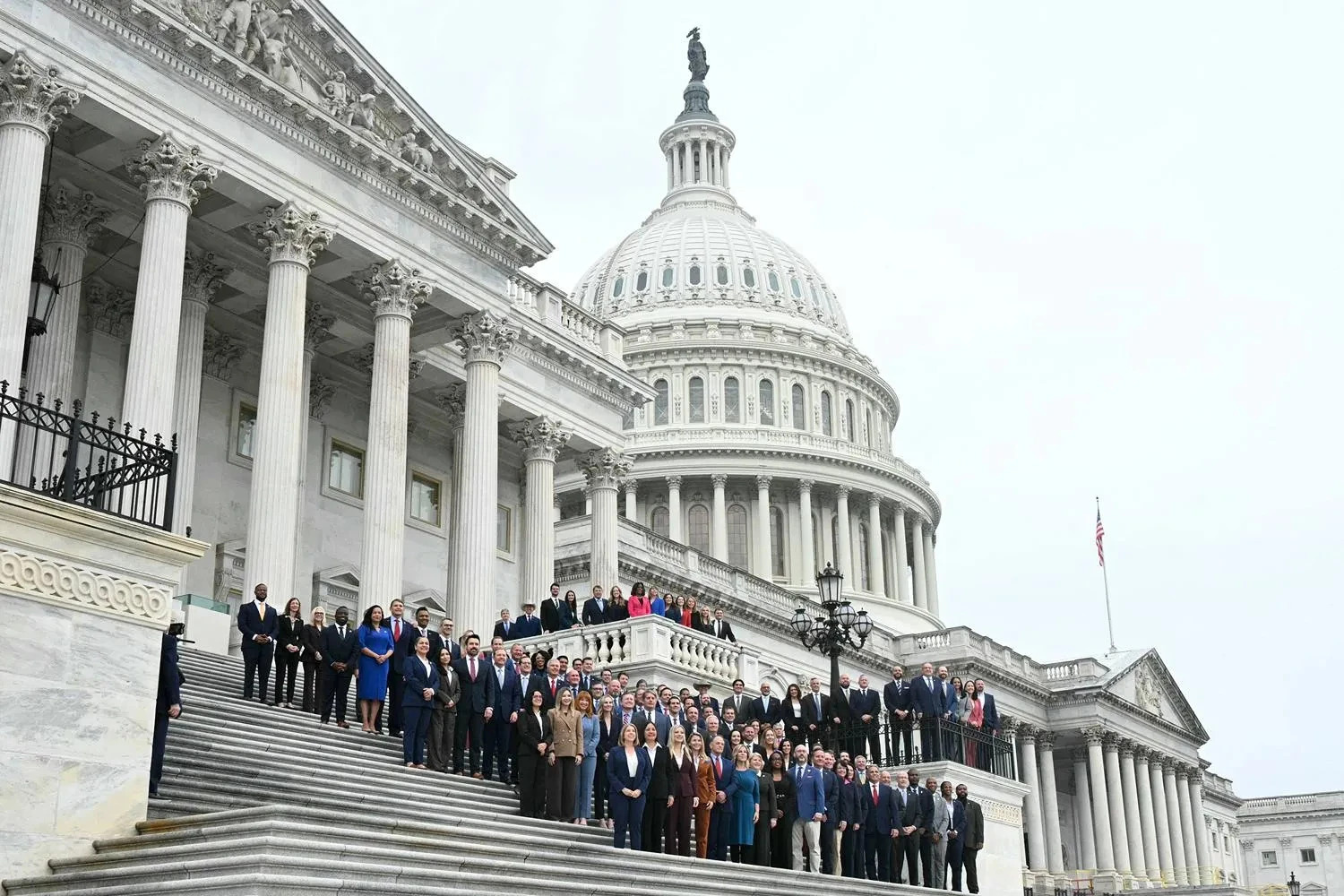
When the 120th Congress meets in January, more than one-quarter of the Democrats in the House and nearly the same fraction in the Senate will be newly elected members. They are fresh from the battlefield, with many having won hard-fought campaigns in primary elections against Democratic incumbents or in the general against incumbent Republicans. While not all could be classified as progressives, most ran on platforms that promised their voters radical change. They are coming to Washington with the very same expectation of having their voices and those of their constituents heard that motivated that dissident Republican who in 2024 objected to the heavy-handed behavior of his party’s leadership.
Freshman Democrats are coming to Washington with the expectation of having their voices and those of their constituents heard.
Dr. James J. Zogby
In a recent interview, the Democrats’ choice for speaker of the House, Hakeem Jeffries, acknowledged this fact. Jeffries is more of a mainstream establishment congressman than many of the incoming Democratic members in his caucus. He has taken positions on critical issues and raised significant amounts of campaign monies from interest groups that conflict with the agenda that helped elect many of his new members. Nevertheless, Jeffries has indicated a willingness to listen to diverse viewpoints in an effort to seek consensus. He must know that his new members will want to be heard and that he will need to accommodate them.
This is not the case with the claimant to the position of Senate majority leader, New York Sen. Chuck Schumer. Schumer is the embodiment of an old-school politician. He is good at raising money from and making promises to special interest groups — even when their agendas conflict with those of the mainstream of his party. He is also good at claiming credit for victories he has had little or no role in and using his position and the political money he raises to strongarm others.
For example, Schumer has taken positions that diverge from those held by most members of his caucus on many of the issues that helped Democrats win this year — strong measures to address the healthcare affordability crisis, our disastrous foreign policies in the Middle East and the corrosive role played by big money in our elections. What he may be good at, in addition to self-promotion, is raising money from big donors representing the very interests that stand in the way of implementing the agenda that helped Democrats win this year.
Schumer is being challenged for the post of majority leader by Sen. Chris Van Hollen — his exact opposite. Van Hollen has pledged to operate by consensus, with an open door. And his positions on the issues — proposing programs to make life more affordable, expanding healthcare for all, getting big money out of our politics, ending US military aid to Israel that violates international and US human rights laws, and stopping our involvement in foolish foreign wars — are in sync with those that helped Democrats win in this month’s midterms.
In many ways, the change voters said they wanted in the election is not guaranteed unless Democrats elect leaders who will break from the policies and behaviors of the past. While their party will not be in a position to propose new legislation until January, when the new Congress is sworn in, an early test will be how Democrats act on some foreign policy budget matters being pushed through this year.
Will they be able to block further funding for the war in Iran? And will they be able to block new arms aid to Israel and remove provisions in the Defense Department budget establishing an unprecedented partnership between the US and Israel for sharing technology and intelligence and co-producing new weapons systems? This measure opens a backdoor to American aid to Israel that will negate the impact of canceling further US military assistance. This explains why both Israeli Prime Minister Benjamin Netanyahu and US President Donald Trump have expressed support for ending US aid.
With a majority of Democrats supporting blocking funding for both, it is an important test for those seeking to lead the party. Will they support their voters and caucuses or will they bend to the pressure of lobby groups that want to dig the hole deeper with the foolish war on Iran and America’s role in Israel’s unlawful military actions?
If Democratic leaders do not listen and join their new members in fighting for real change on this and other issues they will be confronting, voters may become discouraged and that could spell trouble in 2028.
Dr. James J. Zogby is co-founder of the Arab American Institute. He has served in official roles in numerous presidential campaigns and is Director of Zogby Research Services.


