
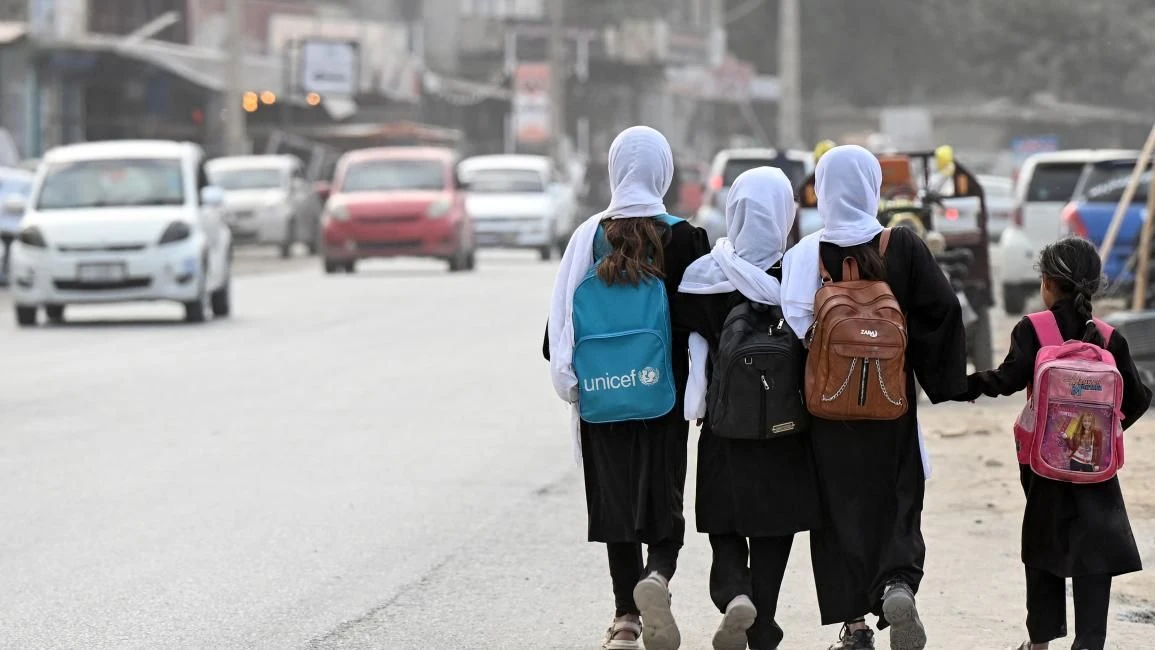

In 2026 in Afghanistan, wearing a colorful scarf could land a woman in detention. Between July and September, the UN verified that Taliban authorities arrested or detained at least 52 women and one girl in Kabul and Herat. Some were detained for wearing makeup. Others were stopped for being in public without a male guardian. The UN also documented beatings and threats, including against women who ran shops. For an Afghan woman, even a trip to the market can carry the risk of arrest.
The Taliban want diplomatic recognition. Afghan girls want to go back to school. As of now, Russia remains the only country to formally recognize the Taliban government. China, Iran, Qatar and the UAE maintain working ties with Kabul. The US and the wider international community should use their diplomatic contacts to press the Taliban to reopen secondary schools to girls and universities to women. Governments should withhold recognition until independent monitors can verify that girls and women are back in classrooms and can attend safely. Washington should also ensure that no US taxpayer dollars reach Taliban-controlled institutions, directly or through intermediaries.
An Afghan girl can finish sixth grade and be told her education is over. A young woman who wants to teach or practice medicine cannot attend university. Some Afghan women have opened secret schools. Their courage gives those students a chance to keep learning. It also shows what the Taliban are asking of families. To give a daughter the education her brother can receive openly, they may have to hide it.
The Taliban have also restricted medical training for women, making it harder to replace female health workers. A girl turned away from school today could have become the midwife her village will need in a few years. Women are also barred from most jobs and excluded from political life. In August, UN Women reported that half the Afghan women it interviewed left home only once or twice a month. Think about what that means for a woman who needs to earn a living, visit a clinic or ask for help privately.
For some women, home is where they most need protection. According to the UN Human Rights Council, a Taliban decree approved in January permits violence by men against women in the family and imposes criminal liability only when the injuries include broken bones or obvious bruising. A woman can be detained for wearing makeup in public, while a man who hits her at home can escape criminal liability if the injuries fall short of that threshold. Both rules tell her whose freedom the Taliban are willing to protect.
Governments should withhold recognition until independent monitors can verify that girls are back in classrooms.
Dalia Al-Aqidi
Washington stopped providing humanitarian and development aid to Afghanistan in April 2025. It had good reason to scrutinize where the money went. A federal audit found that organizations carrying out US-funded work had paid Taliban-controlled authorities at least $10.9 million in taxes, fees, duties, utility payments and other charges after the group returned to power in 2021. Those payments show how an aid program can benefit the Taliban even when its purpose is to help Afghan civilians. Keeping the freeze in place is justified while the Taliban bar women and girls from education. Any US-funded program that continues should have to account for every payment and show that none reaches Taliban-controlled institutions. If it cannot, the funding should stop.
Education grants deserve that same scrutiny. The State Department continued funding some programs for Afghans in 2026, including scholarships abroad and an online program that served 977 students in the fall semester, about three-quarters of them women. The audit does not establish that this online program paid the Taliban. If a grant can be independently verified to help women study without sending money to Taliban-controlled institutions, it should continue. Those students are trying to hold on to the very right Washington is asking Kabul to restore.
To gain recognition, the first step should be a written repeal of bans on secondary school, university and medical training. Independent monitors should then visit institutions across provinces and speak privately with students and teachers. They should verify that girls can enroll, attend regularly and sit exams. A classroom shown to visiting diplomats tells us little about what happens in a village far from Kabul. A school may be open on paper while the girls who live nearby still face restrictions on getting there.
Recognition should also depend on what changes outside the classroom. Women must be able to work, seek medical care and move in public without fear of detention. The Taliban should repeal the provisions that permit domestic violence and allow women to seek protection safely. Afghan women should help set those conditions and judge whether they have been met. They know which restrictions have actually been lifted and which still govern their lives.
Diplomats can keep talking to Kabul about borders, security and other shared concerns. Those talks give governments a chance to make the same demands consistently. The Taliban have shown they can live with isolation, so there is no guarantee they will change course. But if more governments offer recognition while the bans remain, they give Taliban leaders less reason to reconsider.
The Taliban can ask for recognition again next year. A girl who should be starting seventh grade cannot get that year back. As artificial intelligence reshapes how people learn and work, the international community cannot leave Afghan women and girls behind while they are still fighting for the right to enter a classroom. The next time Taliban officials ask what it will take for the world to recognize them, Washington and its partners should give them the same answer: open the schools, restore women’s rights and let independent monitors see for themselves.
Dalia Al-Aqidi is Senior Fellow at the Center for Security Policy.
X: @DaliaAlAqidi


