

Saudi Vision 2030, the Kingdom’s new 15-year economic plan, gives all Saudi citizens much optimism for diversifying the Saudi economy away from its historical reliance on oil revenue. The hope is that by 2030 our country will move into the top tier of nations, both regionally and globally. The sweeping changes recently announced by the Saudi government has named new ministers and restructured a number of ministries and agencies, all of which is particularly welcome.
In order to realize the goals of this ambitious economic program, we should consider five points.
New Legislative Authority: Let us be realistic! It is obvious that the Shoura Council and other agencies struggle with the rapid pace of life, thus necessitating the continuous issuance of laws and regulations in order to keep up with rapid global economic issues. Whoever is familiar with the Basic Law (Article 67), the Council of Ministers Law (Article 20), and the Shoura Council Law (Article 15) sees that there is a clear overlapping in the role and responsibilities of these authorities. This can lead to corruption and chaos.
Therefore, it is essential to have an independent legislative authority that is able to face all challenges, assimilate our aspirations and convert our dreams into reality. It is necessary to establish a dedicated legislative authority, which is separate from the other authorities, particularly the executive authority, to accomplish the Saudi Vision 2030 goals.
Strengthening the Position of Women: Limiting the role of women to specific occupations is a disruption of half of society’s energy, which deprives it from many development opportunities. We cannot seek any real economic development if we deprive Saudi women of basic opportunities and rights. It is important to confront the restrictions imposed upon women by some conservatives who continue to preach old customs and traditions that restrict women’s education and refuse to let them work outside the home. We live in an era where their backward attitude can no longer be tolerated. Isn’t it so sad that in 2016, we are still discussing whether women can drive and work at all available jobs? We must do more to ensure that we are not excluding one-half of our society!
Saudi Vision 2030 is a good first step, but women should be treated equally to men as we seek to further our economic programs. Female participation is essential if we are to succeed in diversifying our economy.
Participation in the Decision-Making Process: It is difficult for any government to solely bear the burden of internal and external challenges without the participation of its citizens, especially Saudi Arabia which extends over the area of a continent.
It appears that Vision 2030 relies on the expansion of citizen participation. There is no doubt that strengthening the partnership between the government and the people will put an end to all future challenges. Citizens will be able to have an effective and positive role in the success of the national transformation plans. Civic institutions should be activated to become a pillar of the society’s renaissance and progress.
Centralization of Regions: Saudi Vision 2030 promises to develop all regions of the Kingdom. Thus, there should be financial and administrative rules and regulations that separate each region’s departments from the existing centralization that has hampered the movement of economic development for years.
In order to do so, the role of the municipal councils should be activated and their powers expanded so that they can become more responsible for evaluating and guiding local development projects. Their role should not be limited to ratifying and signing reports!
Currently, many regions are forced to refer to the concerned ministries for every decision to be taken. Returning some authority to local regions is necessary to realize these ambitious development goals. Ministries in other developed countries carry out national strategic tasks while permitting local authorities to develop and implement many economic development programs. So should Saudi Arabia.
Fighting Corruption and Bureaucracy: It is no secret that corruption is like a cancer that affects the body leading to its deterioration. There is no doubt that corrupt bureaucracies will be the biggest threat to Saudi Vision 2030, so we need an alert, professional and dedicated supervisory system to detect all types of corruption and dismiss its perpetrators. The National Anti-Corruption Commission will not be able to do this alone, since the fight against corruption should be at all levels.
Finally, allowing foreigners to own property in the Kingdom without any obstacles is of primary importance. There should be no fear or suspicion in this matter, especially since the Property Law was issued a few years ago and only needs activation. The “Green Card” initiative will also limit the migration of funds generated by expatriates from the Kingdom. The ownership of property along with the Green Card will complement one another.
We hope that April 25, 2016, when Saudi Vision 2030 was announced, will turn into a national day of celebration that will issue annual progress reports and stimulate pride among all Saudi citizens.
—
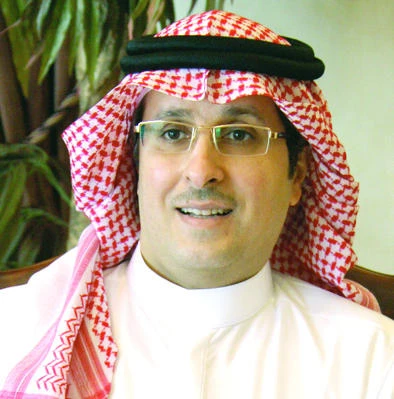
Khalid Alnowaiser is a Saudi writer and attorney.
In order to realize the goals of this ambitious economic program, we should consider five points.
New Legislative Authority: Let us be realistic! It is obvious that the Shoura Council and other agencies struggle with the rapid pace of life, thus necessitating the continuous issuance of laws and regulations in order to keep up with rapid global economic issues. Whoever is familiar with the Basic Law (Article 67), the Council of Ministers Law (Article 20), and the Shoura Council Law (Article 15) sees that there is a clear overlapping in the role and responsibilities of these authorities. This can lead to corruption and chaos.
Therefore, it is essential to have an independent legislative authority that is able to face all challenges, assimilate our aspirations and convert our dreams into reality. It is necessary to establish a dedicated legislative authority, which is separate from the other authorities, particularly the executive authority, to accomplish the Saudi Vision 2030 goals.
Strengthening the Position of Women: Limiting the role of women to specific occupations is a disruption of half of society’s energy, which deprives it from many development opportunities. We cannot seek any real economic development if we deprive Saudi women of basic opportunities and rights. It is important to confront the restrictions imposed upon women by some conservatives who continue to preach old customs and traditions that restrict women’s education and refuse to let them work outside the home. We live in an era where their backward attitude can no longer be tolerated. Isn’t it so sad that in 2016, we are still discussing whether women can drive and work at all available jobs? We must do more to ensure that we are not excluding one-half of our society!
Saudi Vision 2030 is a good first step, but women should be treated equally to men as we seek to further our economic programs. Female participation is essential if we are to succeed in diversifying our economy.
Participation in the Decision-Making Process: It is difficult for any government to solely bear the burden of internal and external challenges without the participation of its citizens, especially Saudi Arabia which extends over the area of a continent.
It appears that Vision 2030 relies on the expansion of citizen participation. There is no doubt that strengthening the partnership between the government and the people will put an end to all future challenges. Citizens will be able to have an effective and positive role in the success of the national transformation plans. Civic institutions should be activated to become a pillar of the society’s renaissance and progress.
Centralization of Regions: Saudi Vision 2030 promises to develop all regions of the Kingdom. Thus, there should be financial and administrative rules and regulations that separate each region’s departments from the existing centralization that has hampered the movement of economic development for years.
In order to do so, the role of the municipal councils should be activated and their powers expanded so that they can become more responsible for evaluating and guiding local development projects. Their role should not be limited to ratifying and signing reports!
Currently, many regions are forced to refer to the concerned ministries for every decision to be taken. Returning some authority to local regions is necessary to realize these ambitious development goals. Ministries in other developed countries carry out national strategic tasks while permitting local authorities to develop and implement many economic development programs. So should Saudi Arabia.
Fighting Corruption and Bureaucracy: It is no secret that corruption is like a cancer that affects the body leading to its deterioration. There is no doubt that corrupt bureaucracies will be the biggest threat to Saudi Vision 2030, so we need an alert, professional and dedicated supervisory system to detect all types of corruption and dismiss its perpetrators. The National Anti-Corruption Commission will not be able to do this alone, since the fight against corruption should be at all levels.
Finally, allowing foreigners to own property in the Kingdom without any obstacles is of primary importance. There should be no fear or suspicion in this matter, especially since the Property Law was issued a few years ago and only needs activation. The “Green Card” initiative will also limit the migration of funds generated by expatriates from the Kingdom. The ownership of property along with the Green Card will complement one another.
We hope that April 25, 2016, when Saudi Vision 2030 was announced, will turn into a national day of celebration that will issue annual progress reports and stimulate pride among all Saudi citizens.
—
Khalid Alnowaiser is a Saudi writer and attorney.


