


Traditional sports such as bullfighting in Spain, sumo wrestling in Japan, Sepak takraw (kick volleyball to you and me) in South-East Asia and martial arts in China may not get huge global coverage, but there is no denying their importance.
They reflect tradition and the nature of the society from which they originate. Some symbolize heritage and values.
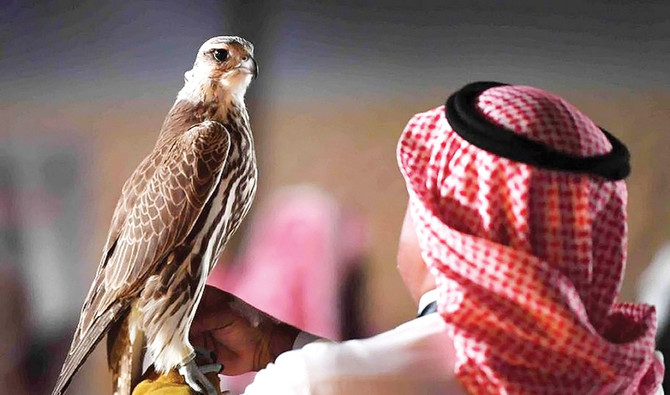
In Saudi Arabia, we have a variety of traditional sports such as camel and horse racing, falconry, and the card game baloot.
Thanks to the initiatives of the Saudi General Authority (SGA) the traditional pastimes of the Kingdom remain an important part of our sporting landscape. The SGA promote and encourage participation in these sports. Balloot, for example, continues to attract thousands of fans and players thanks to running tournaments with big-money prizes up for grabs – some reaching millions of SR. Even universities now are holding Baloot competitions in a new modern and organized way.
Falconry is a huge part of Saudi Arabia’s history and culture and that too is also receiving support from the media with coverage and campaigns to allow more people to join in and watch.
The traditional pastimes of the Kingdom remain an important part of our sporting landscape
Dr. Razan Baker
Traditional sports always get greater, and in some cases, much-needed, exposure when countries host sporting spectacles such as the Asian Games. This, of course, wows many eyes especially those visiting the country for the first time or those coming from particularly different cultures. Heading to the 16th Asian Games in 2010 held in Guangzhou I thought I knew every sport there was. But while in China watched and learned about new sports for the first time; sports such as Dancesport, Dragon Boat racing, Weiqi (known as Go) and Roller sport.
Kabbadi was also an interesting sport and the sort of game that would be easy to play and be popular around the world. The Indian pastime brings joy and laughter to its participants and can be played by both men and women. Its popularity is growing across Asia.
Traditional sports can also be used for used for humanitarian reason. Brazil’s capoeira has been used in refugees in camps. It is an Afro-Brazilian martial art that combines elements of dance, acrobatics, and music. It was developed by African slaves in Brazil at the beginning of the 16th century. However, people in refugee camps realised capoeira helped release negative energy and improved the mental health of those who took part. The traditional Brazilian sport was used a lot in the Za’atari refugee camp, in Jordan for Syrian refugees. According to UNICEF, it was also used as therapy in Iraqi refugee camps and the Al-Tanf refugee camp in Syria in 2008.
- Dr. Razan Baker is a member of the board of directors at the Saudi Bowling Federation, a specialist in corporate social responsibility in sports, and a sports columnist and journalist. Twitter: @RazanBaker


