
Many parents choose to enroll their children in private schools, in the belief that private education is inherently superior, and will better prepare young people for the challenges of adult life. This belief may be misplaced, for two reasons. First, it ignores the remarkable advances in development that many public schools have achieved in recent years. Second, there are constant complaints about greed and lack of professionalism displayed by many private school owners, along with repeated irregularities and offenses.
Last year, the Ministry of Education closed 113 schools. They had been given two years to improve their conditions, but failed to comply, and were no longer eligible for educational licenses. Many were operating from rented houses and other premises not fit for purpose.
Another potential headache for parents is school fees, already high and constantly increasing. Random increases in fees are not permitted. The ministry operates a platform for schools to submit and seek approval for any change or increase in fees. There are rules and criteria that must be adhered to. These include operating costs, such as the building, the number of teaching staff and students. School efficiency, annual evaluation and Saudization rates are also considered.
It is also common for private schools to prevent students from taking exams if their parents have failed to pay tuition fees. This is an offense, and parents may file a complaint directly through a dedicated Ministry of Education hotline. Equally, schools should not suffer because parents fail to pay, and there are proposals to clarify the ministry’s policy in this eventuality.
Private schools are a valuable component of the education sector, and competition is healthy, but such establishments must be aware of their responsibilities; be subject to supervision and regulation; and avoid the temptations of greed and exploitation.
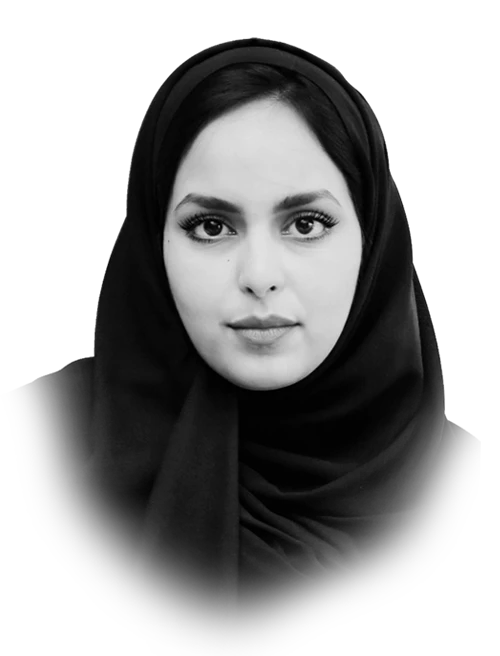
Dimah Talal Alsharif
Another tactic used by some schools to empty parents’ pockets is levying hefty charges for external, extracurricular activities. The ministry has made it clear that fees for anything other than tuition or transport are illegal.
The ministry has also insisted on urgent action by private schools to ensure that administrative roles are occupied by Saudis. However, it is important for schools to make use of all the time allocated for full implementation of this policy, to avoid disputes and potential breach of contract with foreign staff who have already been appointed.
There is also an issue with teachers’ salaries, which are subsidized by the Human Resources Fund for five years. At the end of that period, the school is required to pay a minimum salary of SR5,600, but many schools negotiate with teachers to pay them less than the legal minimum rate.
As to curriculums, it is clearly beneficial for young people to learn about other languages and cultures, but this should not be at the expense of Saudi national values and identity. Student activities can be harnessed to promote these values, and closely monitored for anything that conflicts with them.
Private schools are a valuable component of the education sector, and competition is healthy, but such establishments must be aware of their responsibilities; be subject to supervision and regulation; and avoid the temptations of greed and exploitation.
• Dimah Talal Alsharif is a Saudi legal consultant, head of the health law department at the law firm of Majed Garoub and a member of the International Association of Lawyers. Twitter: @dimah_alsharif


