
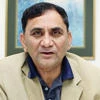

Kanhaiya Kumar, the overnight celebrity of the Jawaharlal Nehru University (JNU) has had an incredibly unusual 30 days. Through him so has the country. His rollercoaster ride with enough steep ups and downs were sufficient to cause anyone trauma. He must actually be bewildered by it all.
Never in modern India has a hero been carved, sculpted and served up with such fanfare, orchestration and dismay. We threw everyone into the mix. The BJP, the Congress and the leftists led the march. Modi, Rahul Gandhi and Arvind Kejriwal were linked from different perspectives.
The glare of fame can be cruel and puts your whole life under the microscope. Every little indiscretion of the past is set up to the light and as the people who made you and sucked their 10 minutes of self-importance by appointing themselves as your spokespersons begin to desert you the confusion and the disappointment and the rage that fame is so damn fleeting can be devastating.
The message I received from an editor to his contributors that “Kanhaiyan is a dead horse as a story” signposts a truth.
The saga also encapsulates exactly what John. L. Perry, a former adviser to Richard Nixon, said about masscom creating a persona and marketing it.
“If you say nothing masscom will pillory you. If you dodge it, masscom will chase you. If you do not know the answer it will place a dunce cap on your head. If you make an error, it will play that sound bite again and again until the whole world is laughing at you. If you misstate something it will mock you endlessly. If you apologize for the mistake it will project you as weak and flip-flopping. If you argue you will be portrayed as thin-skinned…if you hit the right answer the masscom geniuses will crucify you for your gall.”
Filter the KK phenomenon through these prisms. Created entirely by media and fueled by interested parties he was loved enough to touch the stars as a celebrity. As a nation literally polarized itself, “Masscom ceased to be journalism. It resisted the difficult tiring labor of digging out facts. It chose instead the safe lazy course of following a political agenda coloring events as it sees fit for the public.”
And its TRPs and ratings became paramount.
When the favorite child was accosted by lawyers the support burgeoned dramatically and the protest against the incarceration of Kumar turned into a cause celebre.
Contrast that hue and cry and the sweeping outrage replicated in newsprint that could have formed a forest with the whimper of coverage given the same man after he had been rudely struck outside JNU on March 10. Having fallen off the pedestal the victim no longer merited attention. The moment that same day a former student and current professor indicted him for conduct unbecoming last year when he allegedly misbehaved while urinating in public and was reported and penalized, the crusade was doomed. You just cannot perch on a white steed a man who is parodied and shamed.
That even as he was whisked into oblivion there was a rumor that some hostile posters had been pasted in New Delhi offering a reward for his death. Those behind it have hopefully been arrested and charged with criminal conspiracy to cause bodily harm under Section 302.
At the risk of being dramatic, I think the JNU authorities, besides ensuring his safety, should place the young man into counseling. As the comedown intensifies he will need professional help. To an extent everyone is responsible for Kumar. The politicians who jumped on the bandwagon, the media that offered a fourth dimension, the students who backed him and made him their mascot, even those who provided traction for the sequence of events by being against the whole movement. Also, the police, the lawyers who exacerbated the situation and the teaching faculties who sunned themselves in his reflected glory. Now, we cannot all walk away and desert him. Because the sheen has gone.
Seeing as how he has gone on record as saying that Rohith Vemulu is his hero and someone he venerates it would not be out of order to place him on a suicide watch. A lot of people found virtue when he made this statement. Don’t back off now. When the garlands are dead and everyone departed it can be an overwhelming sense of dread and depression filling the vacuum and the last thing anyone would want is for Kumar to imagine he can take a second grab at the headlines by hurting himself. The fact that Vemulu’s act is seen by Kumar as worthy and admirable cannot be overlooked.
There is also a link between fame and suicide, accentuated when it is sudden. Prof David Lester, a professor of psychology at the Richard Stockton College of New Jersey found “a suicide rate of five percent in the famous, hundreds of times higher than the suicide rate in the general population.”
Perhaps it is because being famous might be stressful. Your privacy is ripped apart. The need for attention now becomes paramount even as one resents the intrusions. The paradox is not easy to bear and the individual does not know whom to trust.
If JNU has a medical facility or can arrange a few weeks of care and vigilance it would make a lot of sense especially with enough violent individuals ready to cause injury to this man. Give him some privacy. One day the jury will give its verdict whether his raucous and righteous supporters used and abused him and hurt him more than those who were against this whole build-up of a student.


