

In contemporary diplomacy, reconciliation is a complex process with several variables, possibilities and limitations. Since the end of 2020, there have been intense reconciliation processes between states in the Middle East, many of which have been on hostile terms for almost a decade.
In some of these reconciliation attempts, there has been third-country involvement as a mediator; in others, direct contact between governments has strained relations.
Turkiye has recently opened a new page with previous adversaries such as Saudi Arabia, the UAE, Bahrain, Egypt, Israel, and now Syria. The track has been different in each case, led by intelligence officers and then foreign ministries, rather than third-party involvement.
Turkiye and these states sought reconciliation for mutual benefits rather than to avoid costs. In Turkiye, domestic pressures from approaching elections, the economic crisis, and regional isolation were among the most important motives.
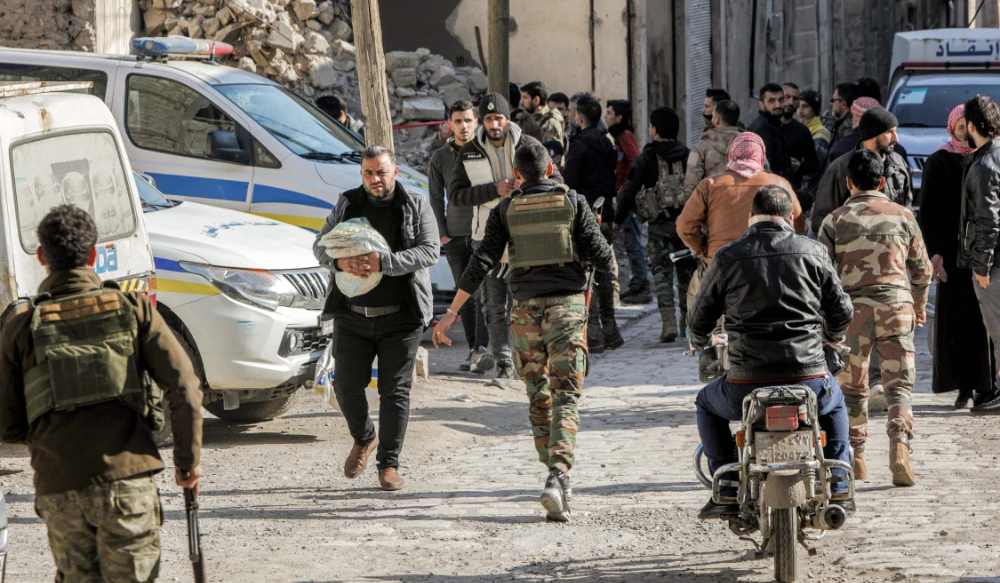
Ankara’s latest hint at reconciliation is focused on Syria, which is different from strained relations with those other states. The Syria case involves refugees, Turkish military operations, the Kurdish terrorism threat, and the Russia-Iran dimension. Turkish President Recep Tayyip Erdogan wants to normalize ties with the Assad regime through contacts that would include Russia. His proposal contains three steps: first a meeting between intelligence organizations, then defense ministers, and then foreign ministers. After those talks,leaders could meet. Erdogan says Russian President Vladimir Putin has agreed to this roadmap.
In August, Erdogan said Ankara wasn’t seeking the removal of Bashar Assad from power, signaling a shift from his decade-long policy of backing the Syrian uprising. Gradually, Turkiye’s priority has changed from deposing Assad to blocking Kurdish aspirations for independent statehood. Turkiye’s relations with Russia and Iran, the deterioration in its relations with the US, and changing power equations on the battlefield played a significant role in this shift.
Erdogan’s proposal was brought to the table to open a diplomatic channel with Damascus. Ankara is keen to open this channel not only because Syria is the last country to reconcile with, but also because there is increasing domestic pressure at home to warm relations with Damascus. The opposition, which is critical of the government’s Syria policy, calls for reconciliation between Turkiye and Syria, while the public is increasingly losing its tolerance for nearly four million Syrian refugees. If the proposed mechanism works and the two states break the ice, it could ease the refugee issue before elections in June 2023.
One factor that pushes conflicting parties to seek reconciliation is when they believe it is in their best interests, or or that prolonging the tension may result in greater harm. This has been one of Turkiye’s motives. Conflicting parties may also accept reconciliation out of fear of souring relations with the proposed mediating country, or concern over international sanctions if they reject a reconciliation initiative. If Syria, which is reluctant to reconcile, accepts the three-way mechanism, it will probably be due to Russia’s pressure.
A third party may accept the role of a mediator or facilitator to increase its leverage on the international scene and to become the guarantor of the final settlement. Already facing international isolation because of its invasion Ukraine, Russia would be keen to benefit from this process. If Moscow were not part of the Syria conflict, it could be a mediator; but because it is involved, it can assume only the role of facilitator.
States can try to benefit from reconciliation to protect or extend their own spheres of influence. The processcan succeed only when there are differences of interests at the table, which is an important variable, while the facilitator should make sure that the outcome is in the interests of all the parties involved. Damascus has a major problem with Turkiye’s support for rebel groups, its military presence in Syria, and the Turkish army’s crossborder military operations. Meanwhile Ankara expects Syria cooperation against the Syrian Kurdish People's Protection Units, who threaten Turkiye’s security and stability. Turkiye wants to find itself on the same page with Syria and Russia on the issue of fighting terrorism.
Against this background, the reconciliation process is likely to be gradual. Even so, a working mechanism among the three parties is likely to have significant consequences in the Syrian crisis, as these countries aim to maximize their benefits and minimize their costs.
• Sinem Cengiz is a Turkish political analyst who specializes in Turkey’s relations with the Middle East. Twitter: @SinemCngz


