

The COP30 summit in Brazil brought a climate deal agreed in overtime last week. However, the real winner of the event may have been Turkiye, which emerged, unexpectedly, as the surprise host of COP31. Many people expected that Australia would host the conference next year following a powerful bid with multiple Pacific Island nations. This would have been the first time the Asia Pacific had held the summit since COP13 in Indonesia in 2007.
However, the Australia and Pacific Island bid was defeated by Turkiye, which staked a claim to hosting the summit after it was sidestepped in a deal a few years ago which allowed the UK to host COP21 in Glasgow. Until the last moment in Brazil last week, neither Ankara nor Canberra backed down in their applications, and as the location is decided by consensus, a compromise deal was ultimately required that will see Antalya host the event, with Australian Energy Minister Chris Bowen becoming COP31 president-designate.
The Australian government claims this is a good result for the country. This is not least as the powers of the COP presidency are wide ranging, including those of managing the COP31 negotiations, appointing co-facilitators, preparing draft texts, and issuing the final decision.
Moreover, as part of the Turkiye-Australia compromise deal, there will be a pre-summit meeting next year to be held in the Pacific. This will be designed to allow small island and low-lying coastal states in the region to promote their agenda around the need for urgent climate action.
The news about Turkiye aside, COP30 provided little in the way of political drama. The mood was more defined by disappointment over the wider terms of the last-minute deal. Concerns particularly center around the failure to deliver a so-called road map for ending fossil fuel use. This would have been built from the commitment at COP28 in Dubai that the world must “transition away from fossil fuels in energy systems.”
In Brazil, more than 80 nations called for such a road map for the ending of fossil fuels, including the 39 small island and low-lying coastal states across the world which form the Alliance of Small Island States. Yet, the COP30 final agreement includes no such plan. This led to Colombia seeking — after the closing gavel — to object to the deal, which should be agreed by consensus, claiming that their concerns had not been recognised by COP30 chair Andre Correa do Lago.
A similar scenario played out at COP29 in Azerbaijan last year. Then, it was India which was incandescent at the deal being passed through so quickly, claiming that Global South nations were not allowed to voice dissent.
Fast forward one year to the conclusion of COP30, however, and India — on behalf of the so-called BASIC countries group of Brazil, South Africa, India, and China — had a different stance. It praised do Lago’s chairing, a relatively rare voice of support for his work as exhausted delegates sought a final deal in the overtime period.
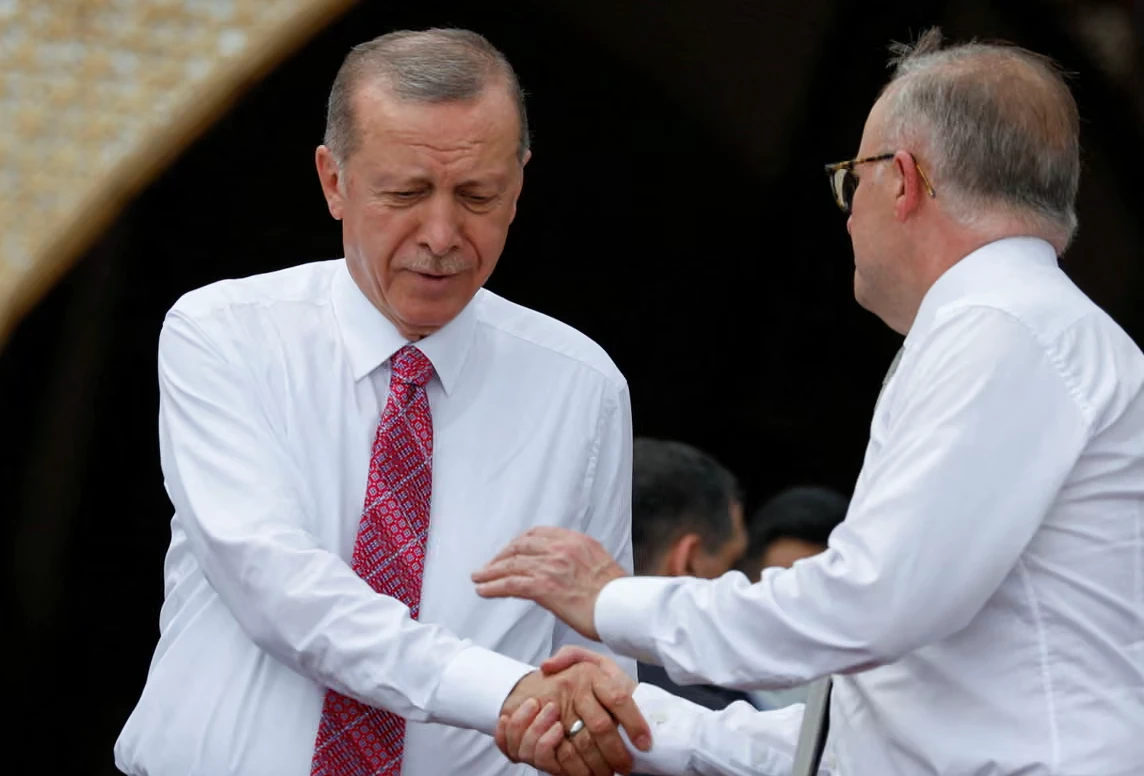
As part of the Turkiye-Australia compromise deal, there will be a pre-summit meeting next year to be held in the Pacific.
Andrew Hammond
Overall, the COP30 outcome underwhelmed, rather than met expectations. This was true even though a complete collapse of the talks was avoided which had appeared a possibility as the summit went into overtime.
Part of the reason for the disappointment is that COP30, like COP15 in Paris, and COP26 in Glasgow, had high importance attached to it. This is not least given that Brazil also chaired the G20 last year which meant it had an unusual two-year window of opportunity to shape outcomes.
With Turkiye now belatedly assuming the hosting of COP31 — this decision was scheduled to be decided last year at COP29 — that nation and Australia’s energy minister have little time to prepare. So, it will require a remarkable, Herculean effort for there to be major breakthroughs in Antalya, and perhaps in Ethiopia for COP32. This despite the diminishing window of opportunity for policymakers to meet the goals of the Paris deal.
Key reasons why COP talks are becoming harder to conclude successfully include the changing macro-external context, which Executive Secretary of the UN Framework Convention on Climate Change Simon Steil called ”stormy political waters.” This includes growing geopolitical divisions that go well beyond Global North-Global South schisms to include the rise of intensifying battle between fossil fuel producers and consumers.
Moreover, there are few, if any, quick wins left now amid a wider breakdown in the previous international consensus that had existed about tackling climate change. There is also growing tension within the world community between those who produce fossil fuels, and the now almost triple digit number of countries that want to see a clearer road map toward ending the fossil energy era.
This issue almost caused COP30 to collapse last weekend, just as at last year’s summit in Azerbaijan. At the meeting, it was not only India that complained; there was also a last-minute walk from the Alliance of Small Island States.
Taken together, COP30 was a disappointment for many nations, notwithstanding the major challenges it faced. While Turkiye is a key winner, it now faces the huge task of organizing COP31 next year with little lead time for such a huge event.
- Andrew Hammond is an associate at LSE IDEAS at the London School of Economics.


