- Program aims to boost biodiversity, restore ecological balance in protected area
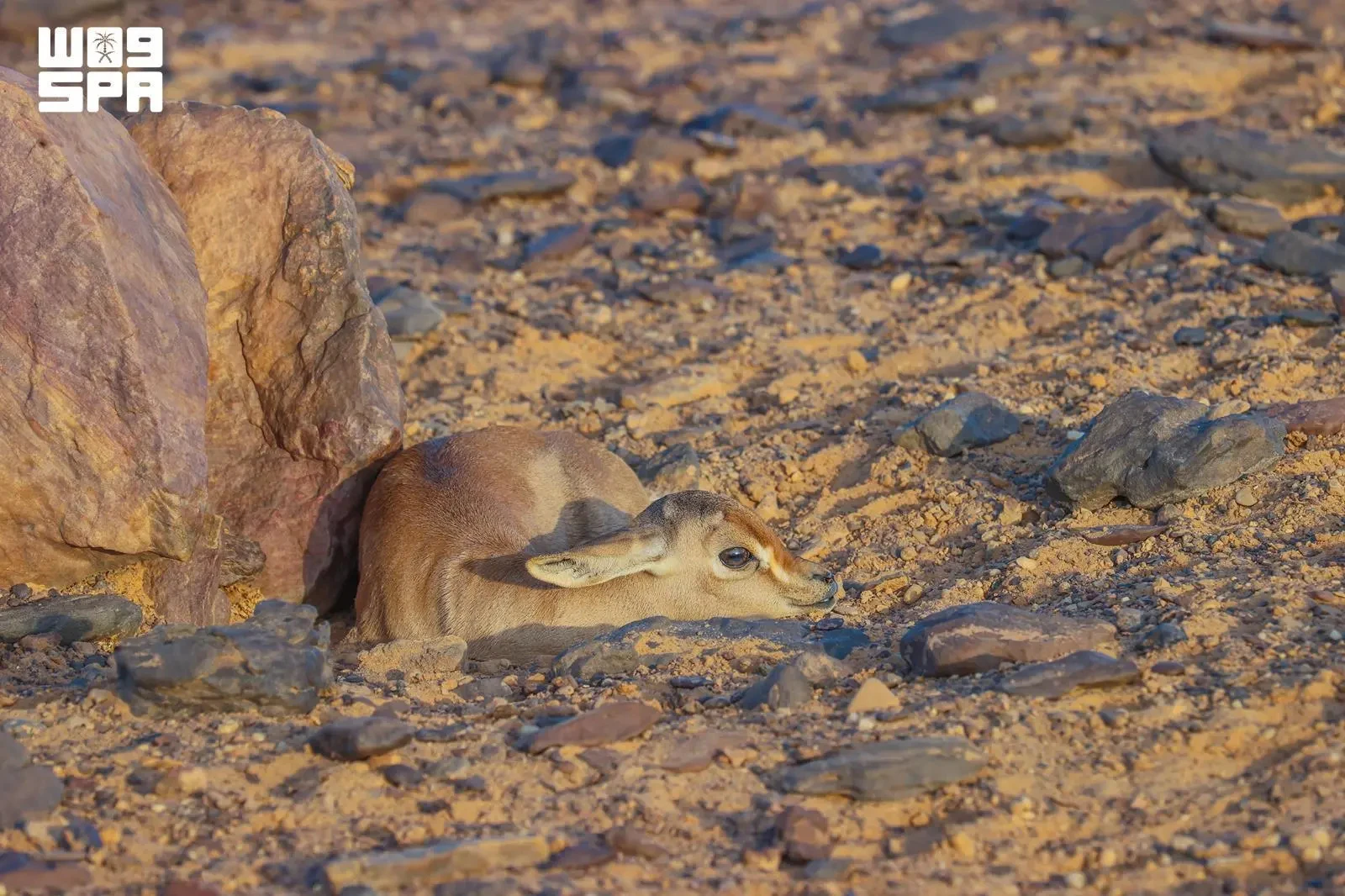
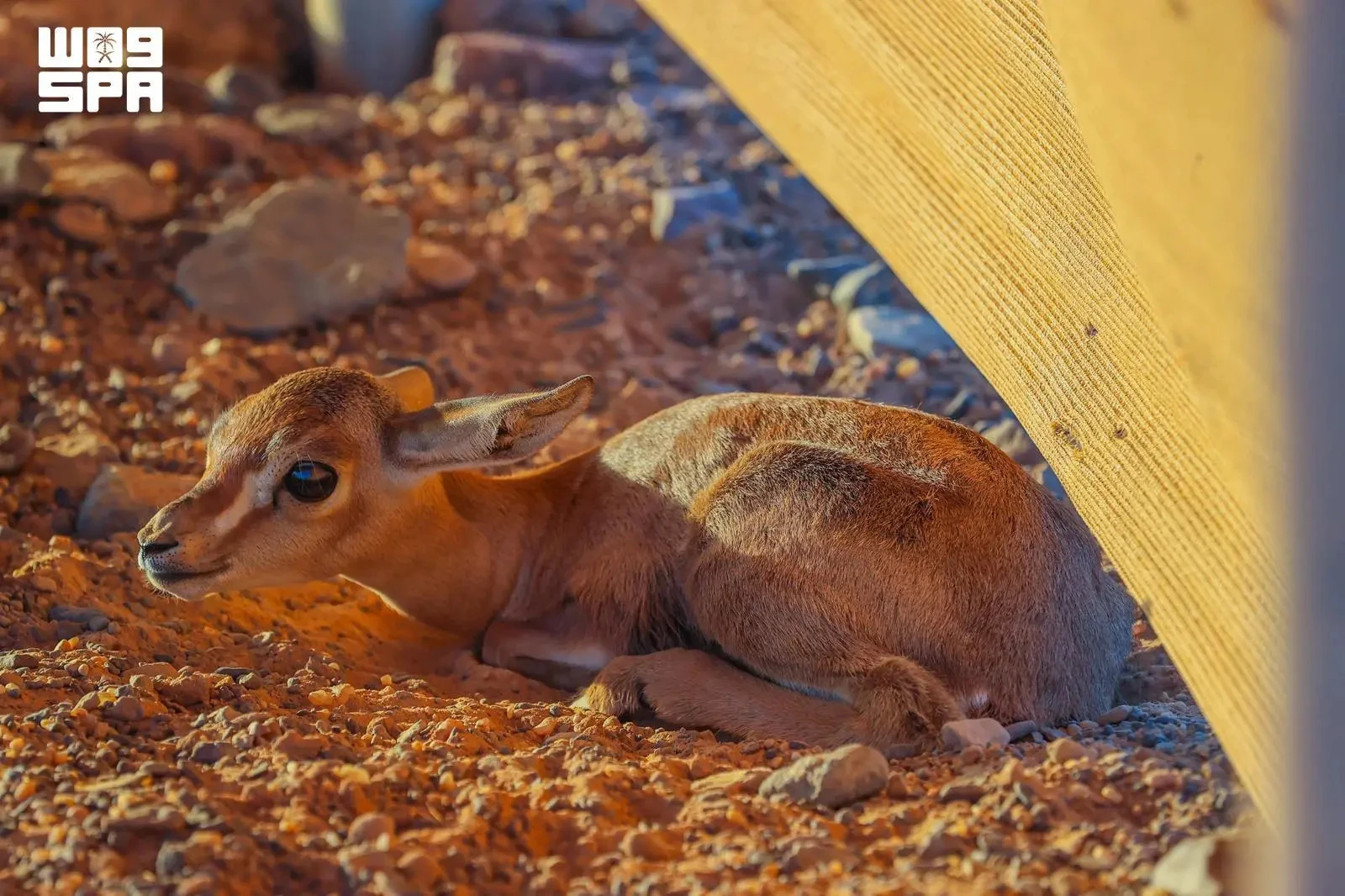
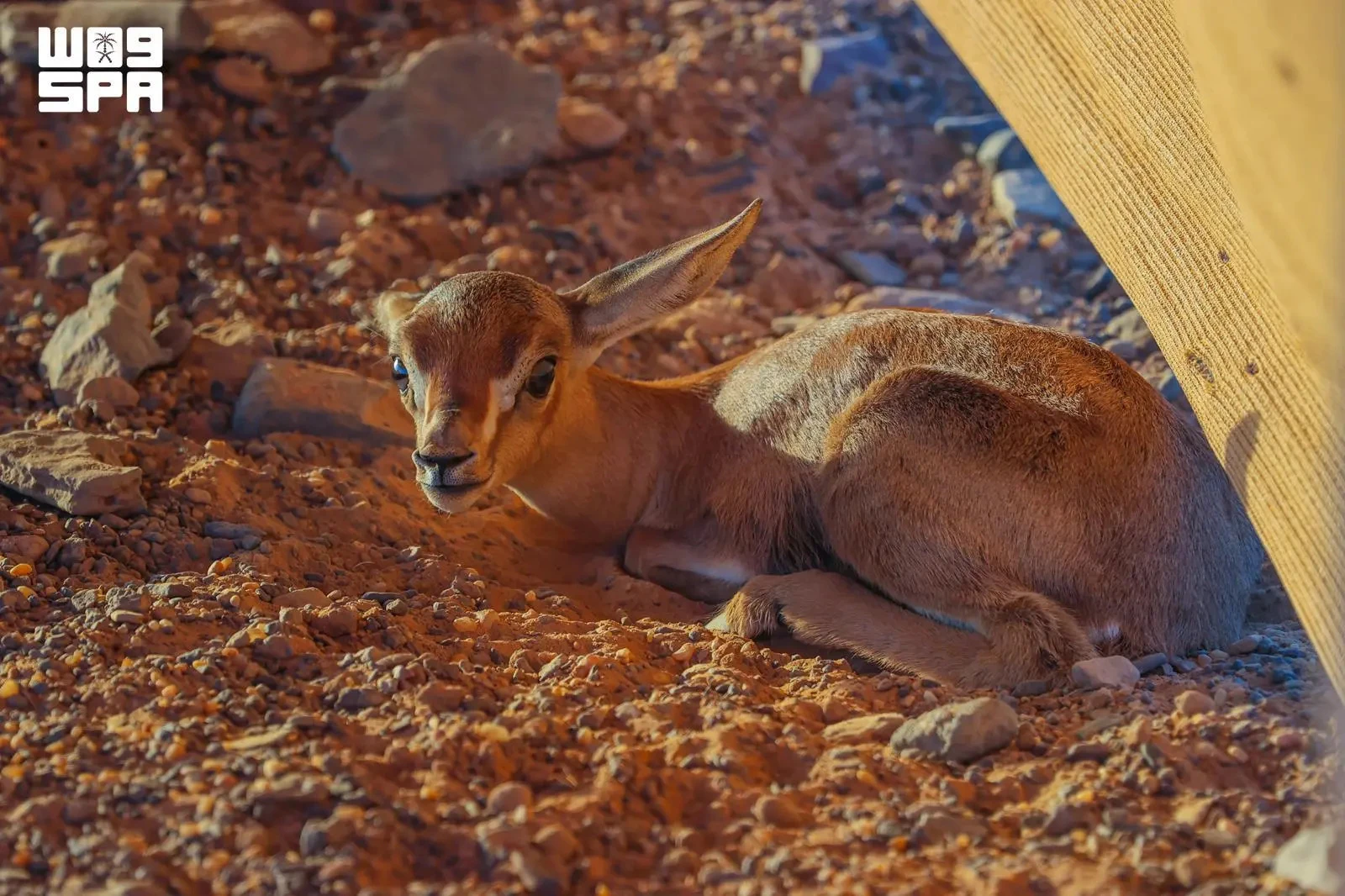
RIYADH: Two Arabian gazelles have been born at King Salman Royal Natural Reserve this month in a boost for the vulnerable species, the Saudi Press Agency reported on Tuesday.
The births are part of the reserve’s ongoing program to reintroduce wildlife to boost biodiversity and restore ecological balance in the protected area.
The Arabian gazelle is one of the species targeted by reintroduction programs. It is listed as vulnerable on the International Union for Conservation of Nature’s Red List.
According to SPA, females usually give birth to one young at a time, which makes the two births all the more important for conservation efforts.
It is not the first time the reserve has welcomed new gazelles. Births were also recorded at the location in 2024, as part of efforts to breed native species and return them to the wild.
The SPA said the new births indicate that the reserve’s care and breeding programs are succeeding, and that its natural habitats are suitable for the species to live in and keep reproducing.
The births come amid a wider national push to bring back threatened wildlife. In February 2026, the National Center for Wildlife announced that it had released more than 10,000 animals under its breeding and reintroduction programs for locally threatened species.
The center said the milestone reflected the scale of its efforts to develop wildlife, restore ecosystems and boost biodiversity across the Kingdom.
Those releases covered more than 80 priority species, from gazelles to Arabian oryx, mountain ibex, houbara bustards, ostriches and sandgrouse. The center said the aim was to help natural populations of these species recover and to sustain them within their historic ranges.
The National Center for Wildlife’s CEO Mohammad Qurban said in February that returning animals to the wild was one of the key tools for restoring ecosystems and reducing ecological imbalance. He added that bringing wildlife back to its natural habitats helps protect biodiversity and improve the environment.
This, he said, keeps habitats intact, sustains the plants and animals that live in them, and strengthens how ecosystems function over the long term.
The center said in February that it would continue its strategic plans to develop wildlife, protect endangered species and manage natural habitats more efficiently. These plans include expanding breeding programs, strengthening applied scientific research, building national expertise and adopting international best practice in biodiversity management.