The Kingdom’s 29 industrial cities have still not contributed land to the country’s land distribution program, according to the Ministry of Housing.
Mohammed Al-Zumai, the Housing Ministry spokesman, said the ministry has held talks with the Royal Commission for Jubail and Yanbu (RCJY), but little progress has been made. In addition, the Saudi Industrial Property Authority (SIPA) has not offered the ministry any land.
“There is no doubt that residential units in industrial cities are not attractive for the workers in those cities. Before we started the new program to give land and loans, we had discussions with the RCJY, but we have not been given any promises yet,” he said.
“I wonder if the SIPA has vacant land that could be given to Saudis as part of the ministry’s land distribution program. From our side, we are ready to accept land from them and develop it for citizens,” he said.
Al-Zumai added that land given to citizens will depend on several criteria included size, availability, price and location.
“Some citizens will get land that costs SR 400,000, while others may get land worth SR 50,000. The cost of the land will be based on location, availability and population in a region. We have not set out any rules in this regard yet, but we will define it very soon,” he said.
In response to criticism from Saudis that the land distribution program is unfair, he said the ministry is working on a system that will see land distributed at fair prices.
“There is no doubt that there is limited land available in big cities, while in industrial cities and small cities there is bigger pieces of land,” he added.
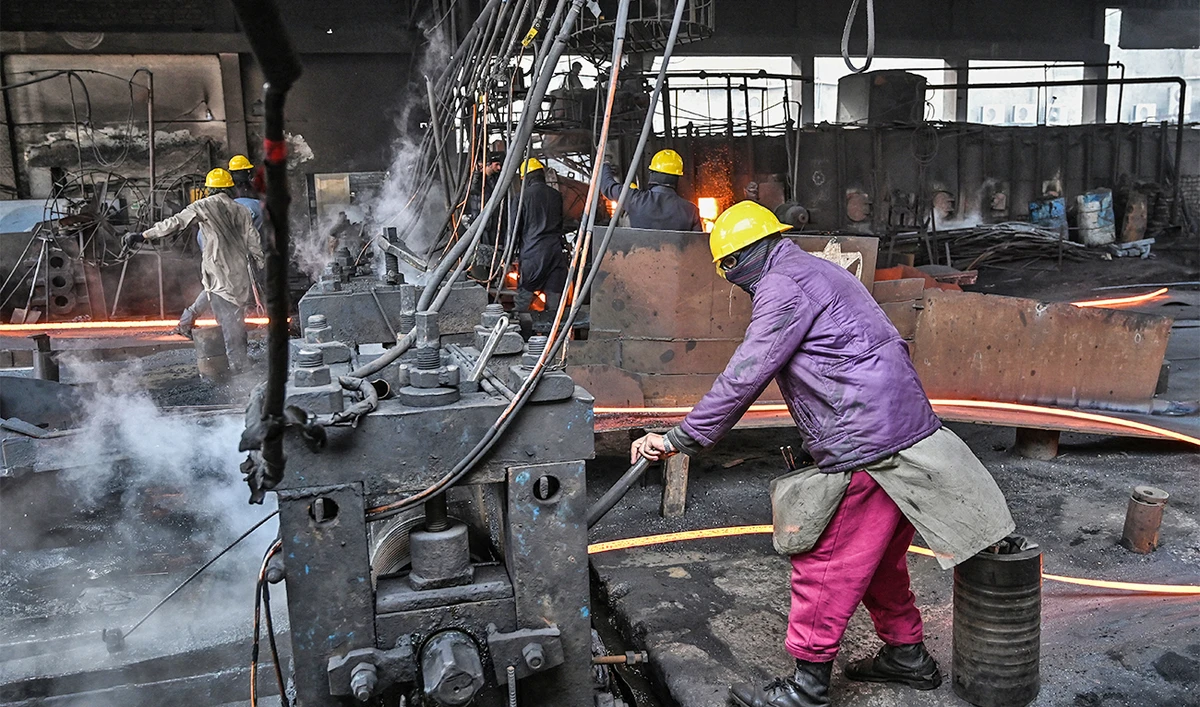
Poor services and high land prices are keeping Saudis from living in the industrial cities across the country. These cities currently employ over 300,000 people, according to experts.
Ahmad Al-Sanousi, CEO of Prince Sultan Cultural Center, said that the provision of land in industrial cities could help solve the current shortage in the country.
“When the government started building the economic cities, people working in these cities refused to live there because of the high prices and poor services,” he said.
“Rabigh and Jubail’s several large petrochemical companies, hospitals and education facilities, attracted large numbers of people. Unfortunately, people live in Jeddah because of the unaffordable house prices in Rabigh. I wish the government could stop giving this land to investors who are monopolizing it, and rather give it to the housing ministry to develop for residents,” he said.
Mohamed Al-Zahrani, president of Business Developers Company, said that although the government started building industrial cities many years ago, many “still don’t offer a high level of services.”
He said employees are not making enough money to afford residential units in these cities. Al-Zahrani added that lengthy construction delays have also hampered the development process at these cities.
No contribution from industrial cities to land distribution program