- KAUST researchers' findings offer a glimpse of how microbiome-based approaches could support coral restoration
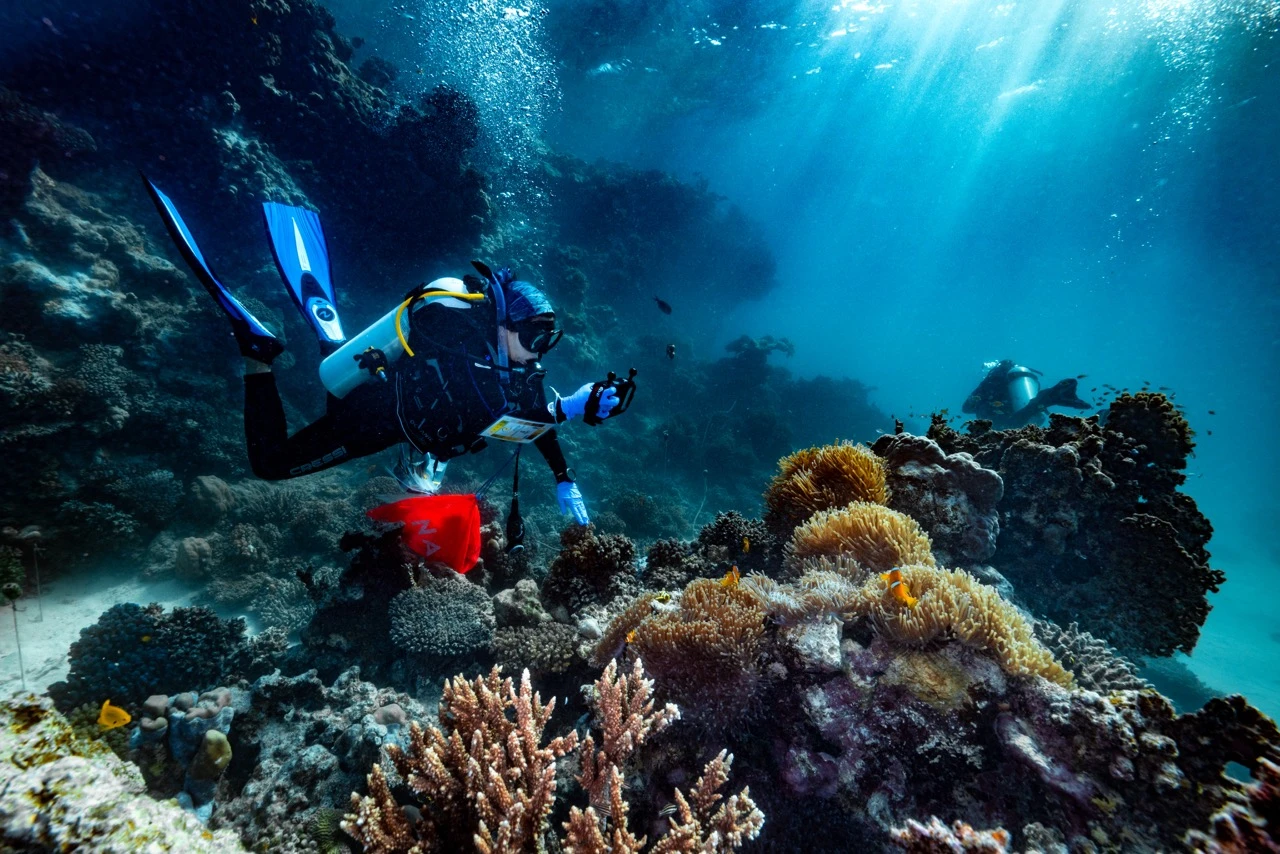
JEDDAH: When a severe marine heatwave swept the central Red Sea last summer, researchers at King Abdullah University of Science and Technology changed their plans and entered the water.
On a reef that was actively bleaching, the KAUST team found that corals treated with beneficial bacteria retained measurable signs of health that untreated corals lost. Unexpectedly, one treatment made from inactivated bacteria also showed promise.
“What made this experiment particularly powerful was that it was not something we had planned months in advance,” Raquel S. Peixoto, professor of marine science at KAUST and president of the International Society for Microbial Ecology, told Arab News.
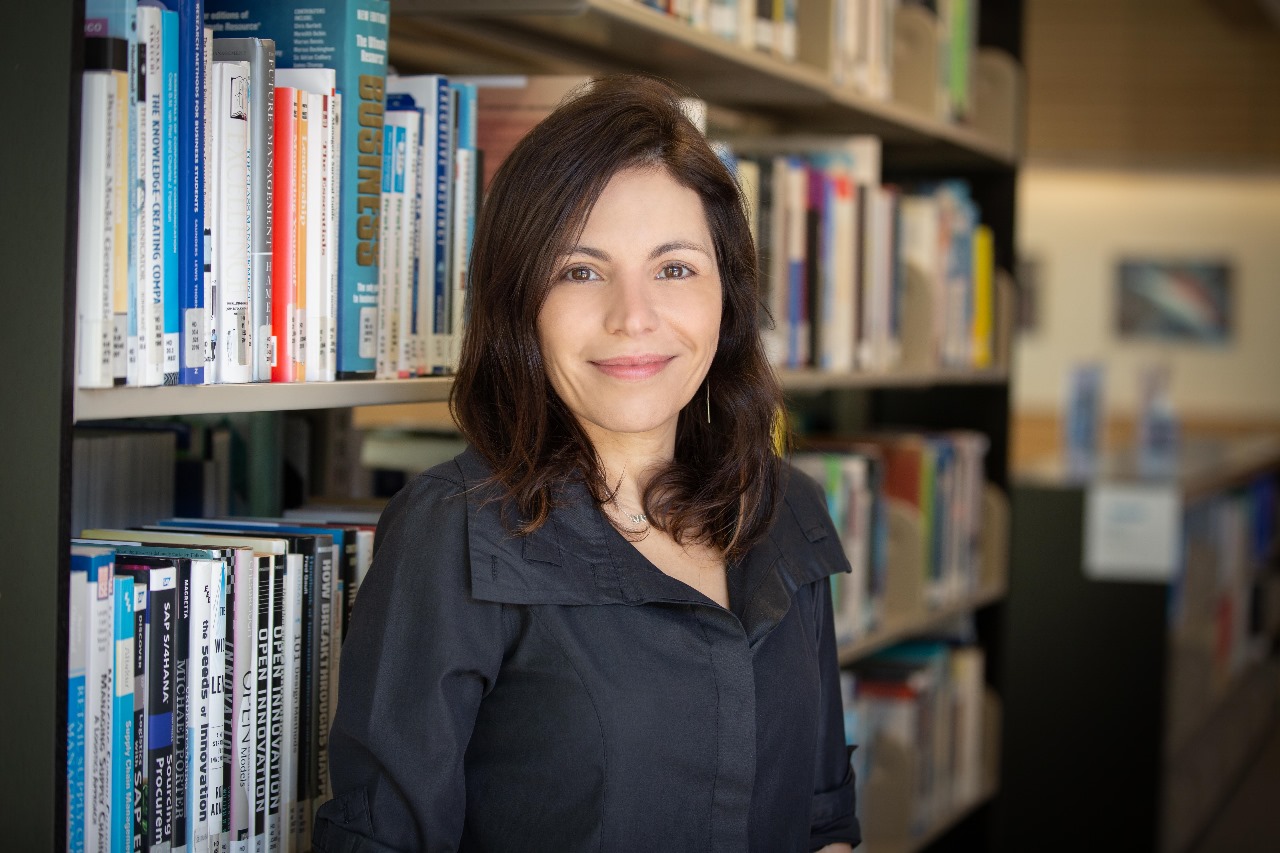
“We were witnessing a marine heatwave and corals were paling in front of us. We realized we needed to test whether the approaches we had been developing could actually help corals under real environmental stress.”
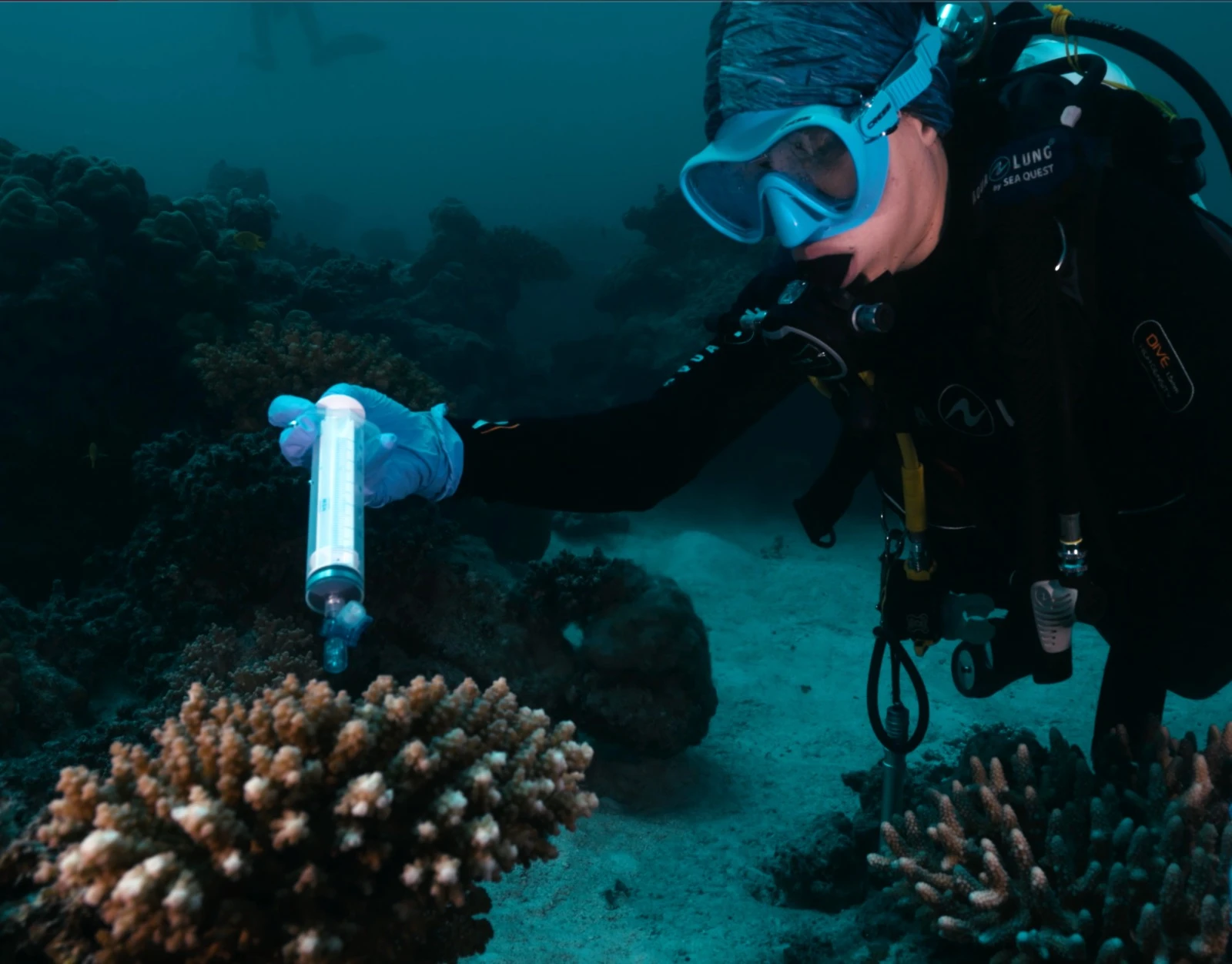
The team reorganized within days, spending long hours preparing treatments in the laboratory and applying them underwater.
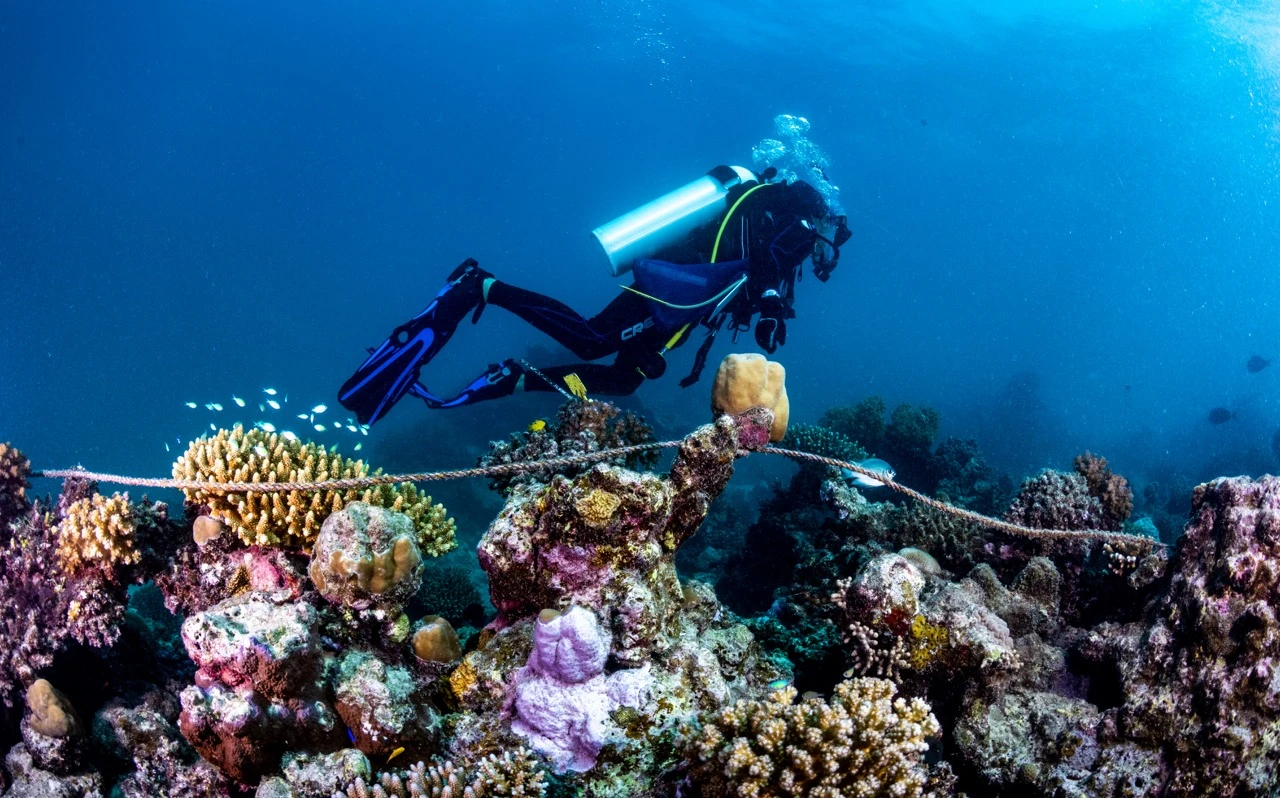
“There is a very challenging emotional dimension to the work we do,” Peixoto said. “You are not simulating a future scenario in an aquarium; you are swimming over a reef that is experiencing changes.”
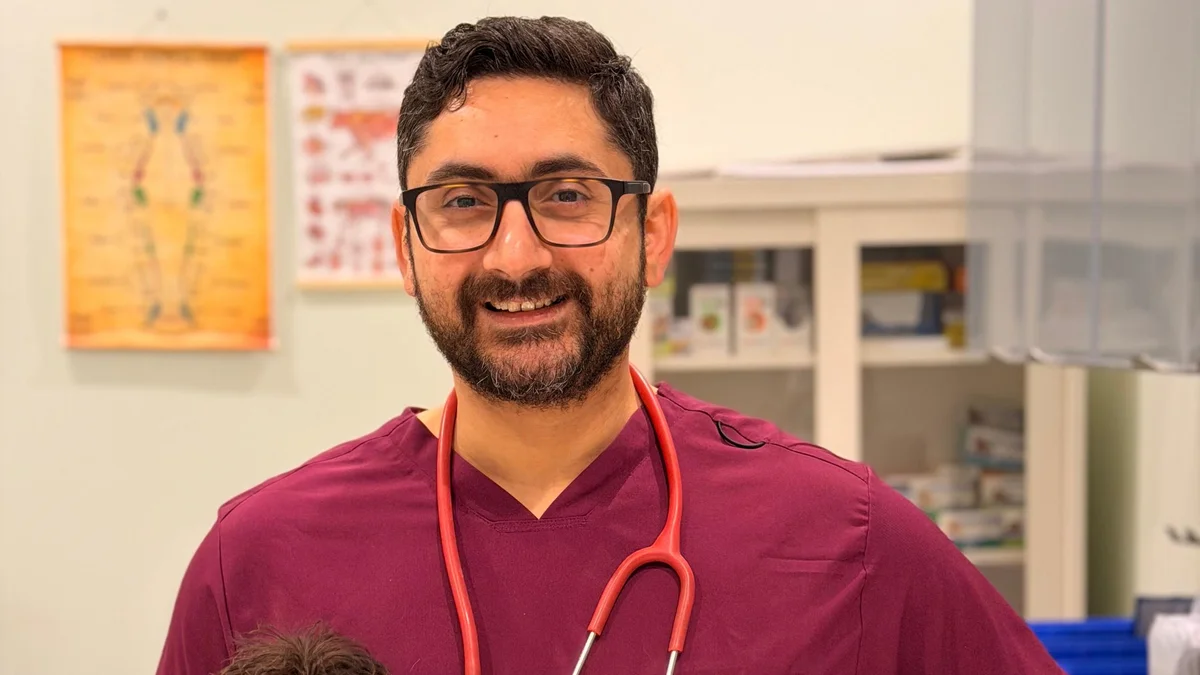
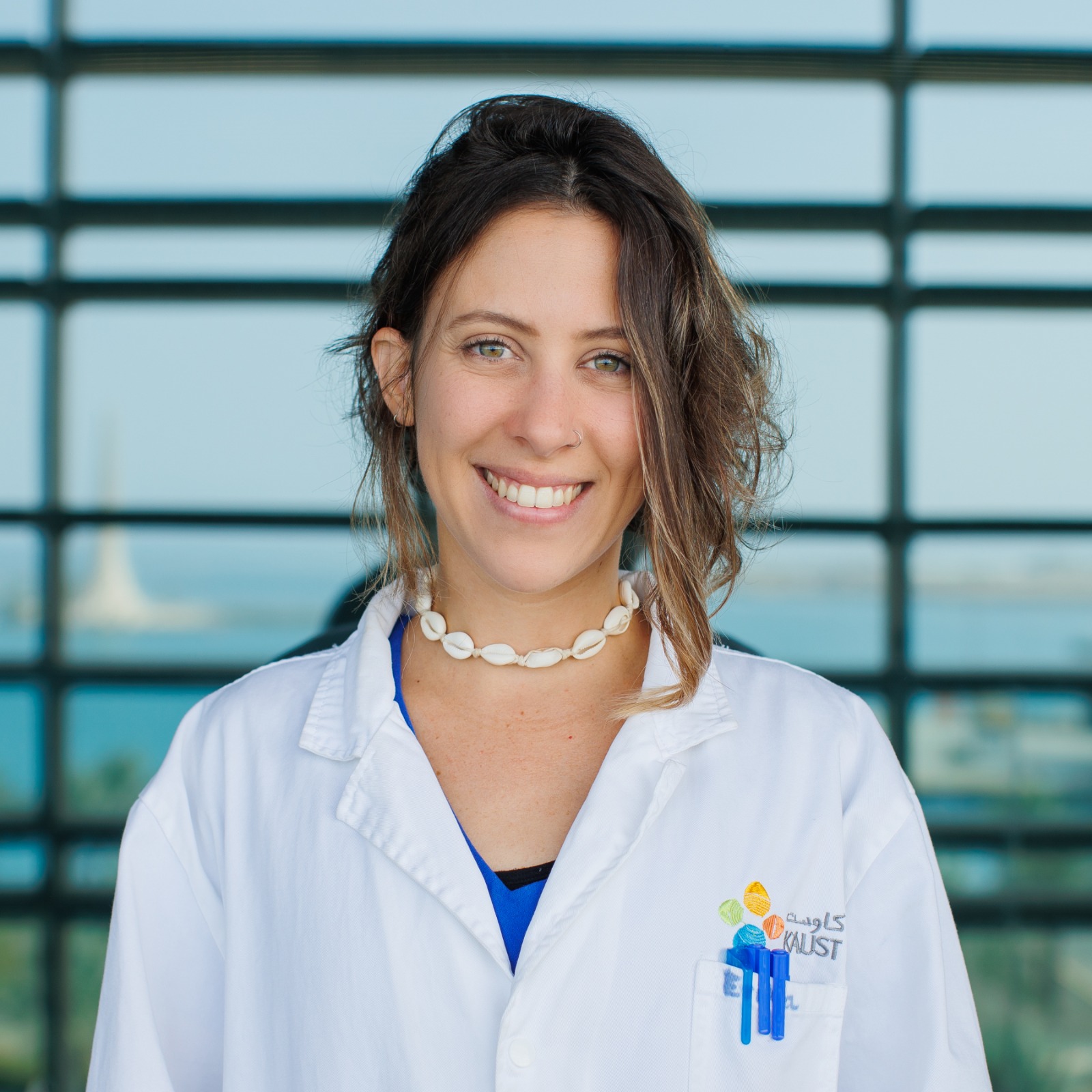
The field experiment was led by Erika Pecanha Santoro, a former postdoctoral fellow in Peixoto’s lab who is now a coral health and stress management specialist at the KAUST Coral Restoration Initiative.
“I have been working more specifically on understanding how these beneficial microbes enhance coral thermal resistance and exploring their use in different ways, such as postbiotics that can support restoration efforts, as well as their application across different coral life stages,” Santoro told Arab News.
The research builds on 15 years of earlier work. “The specific experiment developed by Erika and the subsequent analyzes and paper writing took about 1.5 to 2 years,” Peixoto said.
Santoro described Peixoto as “a pioneer in the field of coral probiotics.” A separate paper in Nature Communications grew out of the doctoral research of KAUST student Adam Barno.
“The yogurt analogy is actually quite useful and I use that a lot,” Peixoto said. “A probiotic contains living beneficial microorganisms. In our case, these are bacteria originally associated with corals and selected because of functions that may help the coral cope with stress — so it is a yogurt-like treatment customized from corals to corals.”
A postbiotic uses bacteria whose cells have been inactivated. Components of those cells and other active molecules may still interact with the coral.
“With a probiotic we deliver the beneficial microorganisms themselves,” she said. “With a postbiotic, we may be able to deliver some of the beneficial biological signals or functions without requiring the microorganisms to remain alive.”
The team tested two mixtures of live beneficial bacteria and their heat-inactivated counterparts. Both live treatments maintained the corals’ photosynthetic efficiency during the heatwave, as did one of the two postbiotic treatments. Corals given a placebo showed a significant decline.
Peixoto cautioned against treating that result as proof that all postbiotics would work.
“We should not conclude that any dead bacterial preparation will work like a probiotic,” she said. The finding suggests that living bacteria may not always be necessary, “which is a great advancement, but also implies that for some cases we will still need probiotics, and in other cases maybe even a combination.”
A non-living treatment could be easier to use in remote locations. Living microbial products require careful production, cold storage and quality control.
“A stable, non-living formulation could potentially simplify storage, transportation and field application,” Peixoto said. “But we are not yet at the stage where we can say that postbiotics are a universal replacement for probiotics.”
Testing the treatments on a reef was a critical step. “A treatment that works in a tank is scientifically interesting, but a treatment intended for conservation ultimately has to work in the environment where corals actually live,” she said.
The Red Sea offers a valuable setting for that work. Its corals live across wide ranges of temperature and salinity, allowing researchers to study how reefs respond to environmental extremes.
But resilience has limits. “Even naturally very resilient systems have limits, and we need to be proactive to protect this amazing asset and prevent damage before it happens again,” Peixoto said.
Corals depend on a relationship between the animal, algae living in its tissues and a community of microorganisms. Extreme heat can disrupt that relationship, impairing photosynthesis and causing the coral to turn pale.
The KAUST approach focuses on the microorganisms. “We collect them when corals are healthy and alive, grow them in the lab, and apply them back when corals are stressed and these microbes are losing the fight to pathogens,” Peixoto said. “It is a microbiome restoration approach.”
In treated Acropora corals, researchers recorded better photosynthetic performance and pigmentation, along with a shift toward bacteria associated with beneficial functions, including the heat-tolerant genus Cobetia.
The early effects would not necessarily be visible to someone swimming over the reef. “We are measuring physiological processes before some of their consequences become obvious to the human eye,” Peixoto explained.
The separate Nature Communications paper found that pathogens can suppress a coral’s disease defenses through lasting changes to its epigenome, and that exposure to Cobetia can protect against that effect.
The lab is now testing which formulations work across different coral species and types of stress, while developing ways to produce and apply the treatments at scale.
“The long-term goal is not to treat every coral in the Red Sea individually, also because this may not be needed. We know when and where corals are likely to bleach during summer,” Peixoto said.
The team envisages prioritising reefs that are particularly valuable or help to connect other reefs, including through the KAUST Coral Restoration Initiative.
Peixoto stressed that the treatments could not address the underlying cause of warming seas. “We should never present technologies such as probiotics or postbiotics as substitutes for addressing the fundamental causes of why corals are dying. If ocean temperatures continue to rise, no intervention will make coral reefs indefinitely resistant to unlimited warming.”
She added: “But that does not mean we are powerless. Every additional reef, population or generation of corals that we can help persist gives ecosystems more time to acclimatize, adapt and recover.
“The results we are seeing in the Red Sea show that there are still biological mechanisms we can understand, harness and develop into tools to give reefs a better chance.”