- Saudi Arabia is no longer focused solely on developing AI but is also working to ensure it is used responsibly, in a way that serves society
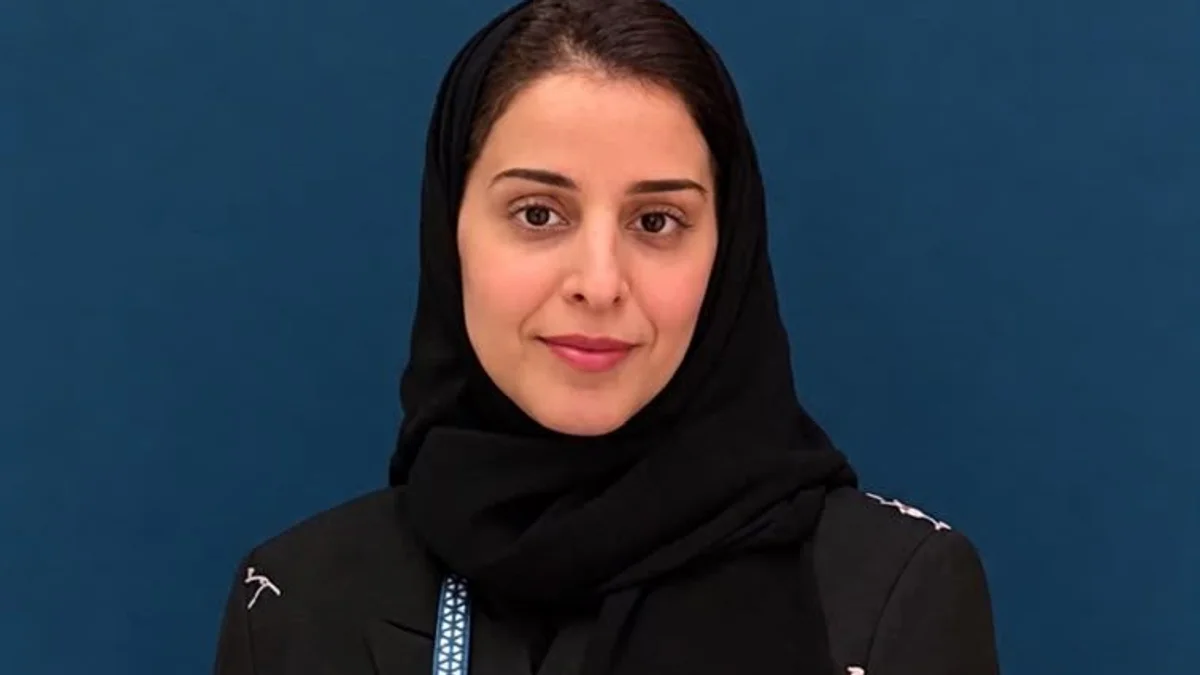
RIYADH: Saudi Arabia hosting the 4th UNESCO Global Forum on the Ethics of Artificial Intelligence in Riyadh affirms its “advanced standing as an active international partner in AI governance and ethics,” said Jawaher Al-Oufaisan, international cooperation adviser for AI research and ethics at ICAIRE.
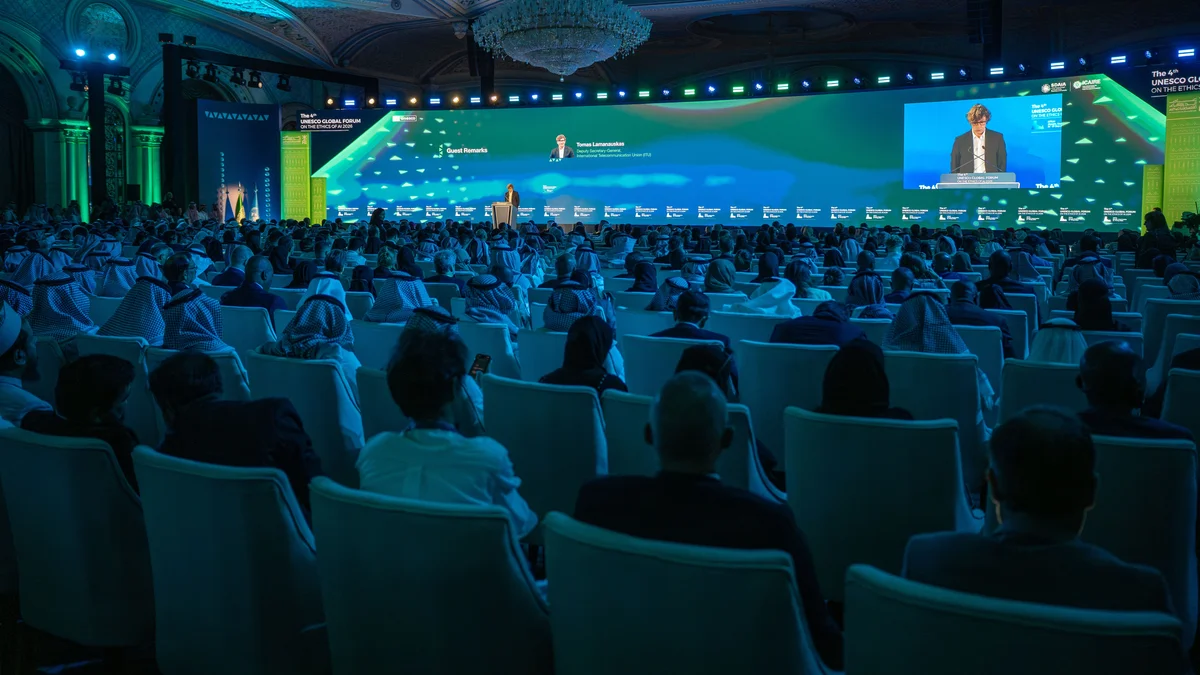
The International Center for AI Research and Ethics, established in Riyadh and recognized as a Category 2 Center under the auspices of UNESCO, serves as a global hub for advancing AI research and ethics and co-hosted the forum with UNESCO and the Saudi Data and AI Authority from Sept. 14 to 17, 2026 in Riyadh.
In an interview with Arab News, Al-Oufaisan said the UNESCO forum convened in Riyadh to discuss ideas protecting humanity in the digital age.
“The Kingdom organizing this forum, as the first Arab country to host this global event, affirms its advanced standing as an active international partner in AI governance and ethics, and the international confidence it enjoys in hosting an event with 194 participating countries,” Al-Oufaisan told Arab News.
“Saudi Arabia is no longer focused solely on developing AI technologies but is also working to ensure they are developed and used responsibly, in a way that serves people and society. This is reflected in the national efforts led by SDAIA to embed the responsible use of AI, build capacity, and drive innovation,” she added.
“Today, the Kingdom is not only the forum’s host; it was also among the first countries to adopt UNESCO’s Recommendation on the Ethics of AI, and among the first 10 countries worldwide to complete the Readiness Assessment Methodology report, reflecting its leadership in building an integrated national system for AI governance in line with global best practices,” she said.
“This is also aligned with the goals of Saudi Vision 2030 and strengthens the Kingdom’s position as a global hub for dialogue and cooperation in this field,” she added.
UNESCO’s RAM is underway in 78 countries, providing technical expertise to help them build national AI strategies and policies, using its Recommendation on the Ethics of AI, the first global standard in this field, as a framework.
More than 20,000 stakeholders, including indigenous and disability rights leaders from around the world, contributed to the development of the RAM.
On aligning AI development with safety and responsibility requirements, Al-Oufaisan said: “At ICAIRE, we believe that innovation and responsibility are not competing choices, but complementary elements. AI must be safe, transparent, and fair, while still maintaining the pace of innovation.
“Our vision stems from UNESCO’s 2021 Recommendation on the Ethics of Artificial Intelligence, which was adopted by 193 member states, making it the only globally agreed normative framework in this field. The center works to support scientific research, build capacity, and strengthen international cooperation to help countries translate this recommendation into practical, implementable policies and practices,” she added.
As AI advances at an unprecedented pace, while governance struggles to keep up, “the solution does not lie in slowing down innovation, but in accelerating the development of governance frameworks themselves to keep pace with the technology,” Al-Oufaisan said.
“This requires three key elements: first, flexible policies that can be continuously updated, rather than rigid frameworks issued once and quickly outpaced by technology. Second, effective international cooperation to exchange expertise and lessons learned between countries, rather than each country reinventing solutions on its own. And third, making use of measurement and assessment tools that help policymakers understand their current standing before designing policies, as a number of countries have done by applying UNESCO’s Readiness Assessment Methodology.
“The goal is for governance to evolve in parallel with technology, not chase after it once it’s too late,” she said.
On certain AI company CEOs issuing a proposal last weekend to slow down the technology’s advancement to ensure public safety, Al-Oufaisan said: “It is natural for concerns to arise alongside the development of any impactful technology, but the focus should be on responsible innovation rather than slowing innovation itself.
“What is needed are clear safeguards, transparency, accountability, and continuous risk assessment, striking a balance between benefiting from AI’s vast potential and limiting its risks. This is precisely the core message of the Global Forum on the Ethics of AI,” she added.