- Nurseries in Asir and Baha will supply seedlings to smallholder farmers and train young people in coffee cultivation
JEDDAH: Saudi Arabia has completed two Arabica coffee projects worth more than SR15 million ($4 million) in Asir and Baha to boost domestic production, improve bean quality and support smallholder farmers, the Saudi Press Agency reported.
The Sustainable Agricultural Rural Development Program, known as Reef Saudi, handed the projects over to the Reef Foundation for operation. They are part of efforts to increase rural incomes and strengthen food security under Saudi Vision 2030.
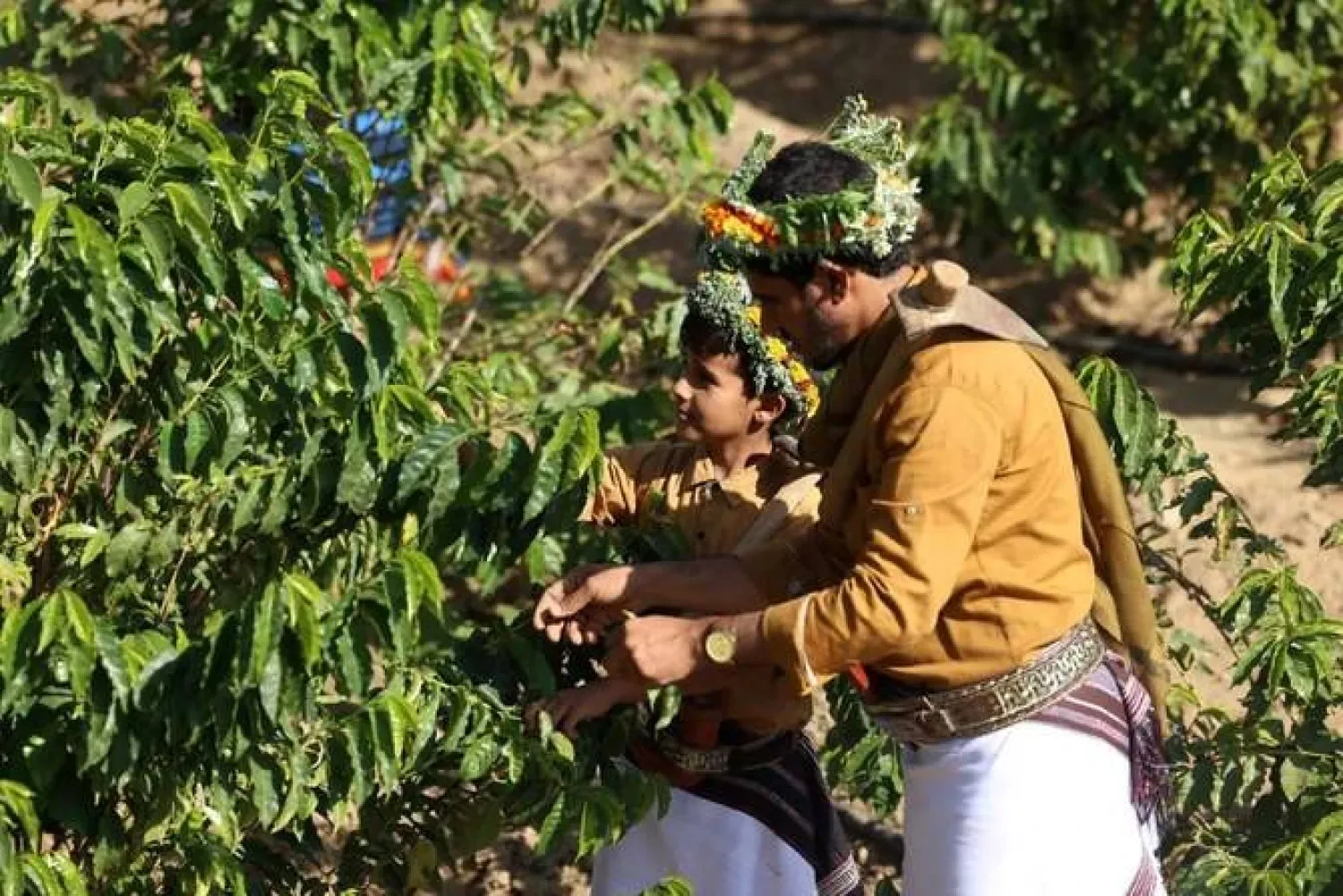
Reef Saudi spokesperson Majed Al-Buraikan said the nurseries would produce seedlings for smallholder farmers and establish demonstration plots where young people could learn modern cultivation techniques. The projects will also train growers in efficient water use and introduce improved post-harvest practices to enhance bean quality.
Al-Buraikan said higher yields and better-quality beans could increase farmers’ incomes and help them secure better prices. He added that the projects were expected to reduce reliance on imports, support exports and attract investment in roasting, cafes and other coffee-related businesses. They could also help producers develop local brands and enter international markets.
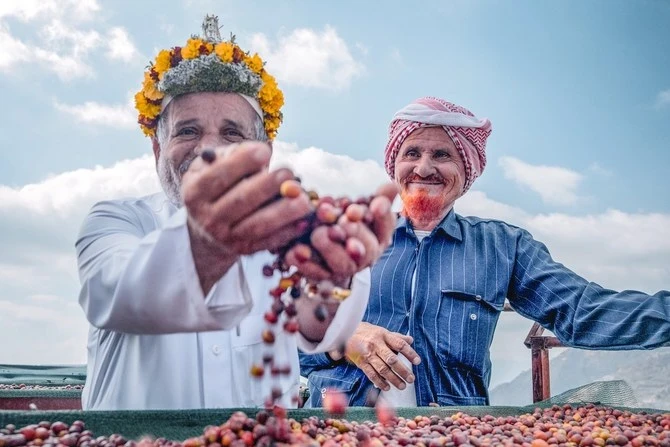
Saudi Arabia produces over 870 tonnes of green coffee beans annually. Jazan, the Kingdom’s main producing region, has more than 966,000 fruit-bearing coffee trees and produces over 640 tonnes a year. Farmers there have cultivated coffee on mountain terraces for more than three centuries. Coffee is also grown in Asir, Baha, Makkah and Najran.
Asir has more than 243,000 fruit-bearing coffee trees, producing over 175 tonnes of beans annually, according to the Ministry of Environment, Water and Agriculture. More than 634,000 coffee trees were planted in the region between 2022 and 2025. Ministry figures show that more than 1,400 active coffee farms cover over 7,000 hectares across 14 governorates.
In 2022, UNESCO added the knowledge and practices associated with cultivating Khawlani coffee beans to its Representative List of the Intangible Cultural Heritage of Humanity. Training young growers offers a way to preserve this knowledge as coffee cultivation expands.
The Public Investment Fund launched the Saudi Coffee Co. in May 2022, with a planned investment of SR1.2 billion over 10 years. The investment covers cultivation, processing, roasting, marketing and exports, aiming to increase annual production from 300 tonnes to 2,500 tonnes. The company aims to plant 5 million coffee trees by 2030.
The ministry also set a target of planting 1.2 million coffee trees by 2026 and developing 15 southwestern governorates into Arabica production hubs. In February 2024, the Kingdom signed the International Coffee Agreement 2022 in London, marking its first formal entry into the International Coffee Organization.