- Yousef Al-Benyan meets university leaders to discuss research cooperation, AI in education and opportunities for Saudi students
RIYADH: Saudi Minister of Education Yousef Al-Benyan met leaders from the University of California, Berkeley, and Stanford University to discuss strengthening academic cooperation with Saudi universities, developing educational programs and exploring the possibility of Stanford offering its programs in the Kingdom.
The Saudi Press Agency reported on Tuesday that during his visit to the US, a memorandum of understanding was signed between the General Secretariat of the Council of Universities Affairs and Stanford’s School of Engineering and Sustainability.
The agreement focuses on implementing leadership development programs in coordination with the Saudi Colleges of Excellence company.
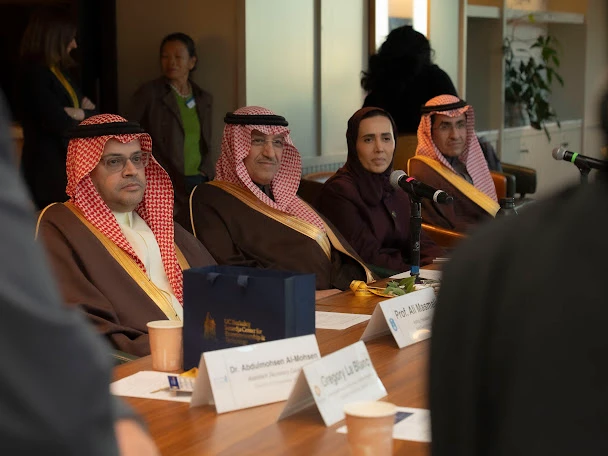
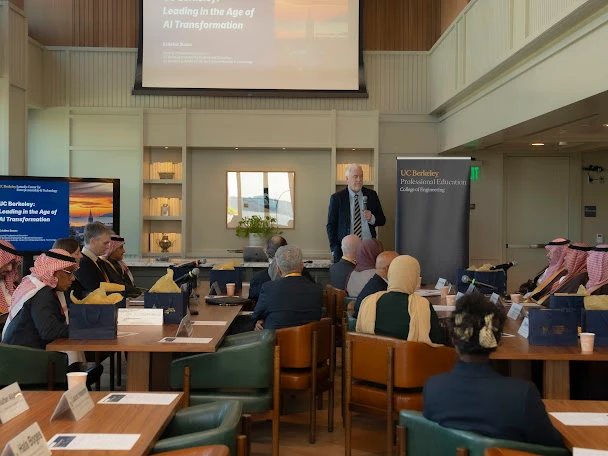
Al-Benyan and UC Berkeley officials explored opportunities for academic collaboration and partnerships with Saudi universities, with the aim of improving the quality and competitiveness of higher education in the Kingdom.
Both sides highlighted areas of mutual interest, including the impact of artificial intelligence on education, the science of human development and experiential learning, and translating scientific research outcomes into practical applications.
They also discussed increasing Saudi students’ participation in academic and research programs to foster the exchange of expertise and broaden cooperation.
The discussions included priorities for academic and research collaboration between King Saud University and UC Berkeley, as well as opportunities to exchange knowledge and expertise, and make use of advanced technologies in scientific research.
Al-Benyan also met Stanford University leaders to discuss strengthening academic cooperation with Saudi universities and developing educational programs, including the possibility of Stanford offering educational services and programs in the Kingdom.
The two sides explored ways to expand partnerships, exchange knowledge and expertise, and benefit from specialized academic experience.
During the Stanford visit, the Saudi delegation reviewed approaches to digital learning, the use of artificial intelligence in education, engineering education and online learning.
The delegation also toured the “AI Tinkery” innovation space, which explores applications of AI in education, and examined technologies designed to enhance teaching practices and develop innovative learning experiences.
The visit formed part of Al-Benyan’s program in the US, aimed at strengthening partnerships with universities and research institutions, and supporting the objectives of the Human Capability Development Program and Saudi Vision 2030.
Mona Al-Ajmi, spokesperson for the Ministry of Education, told Arab News that one of the most significant achievements of the Kingdom’s scholarship program to the US, which has spanned more than 75 years, is the qualification of generations of national talent across fields such as medicine, engineering, science, management and technology.
Saudi graduates have contributed their scientific, professional and research expertise to developing vital sectors within the Kingdom. The scholarship program has also helped foster academic and research ties between universities in both countries, she added.
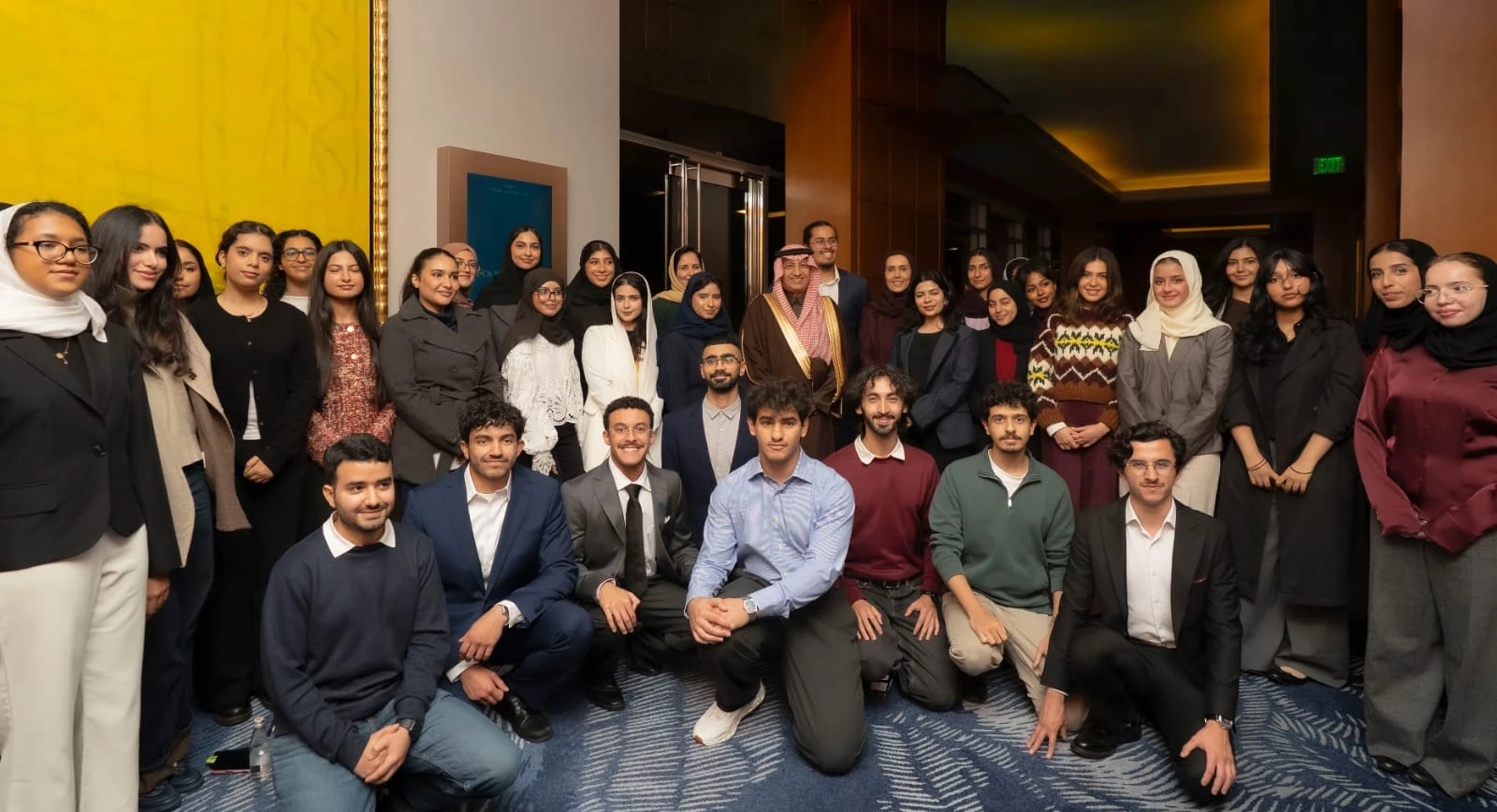
According to Ministry of Education data, about 8,500 Saudi students are enrolled in American universities, most of whom are part of the Custodian of the Two Holy Mosques Scholarship Program.
Al-Ajmi said a key priority for the Saudi Ministry of Education is developing academic and research programs in partnership with American universities, particularly in medicine, technology and science.
The collaboration aims to enhance the knowledge and skills of scholarship students, improve the quality of higher education in the Kingdom, and enhance educational outcomes to better meet development needs, she added.
Partnerships with advanced academic institutions provide Saudi students with opportunities to engage in research projects and practical experiences. Through these, students gain training in problem-solving, working within multidisciplinary teams and utilizing modern technologies, Al-Ajmi said.
The partnerships with UC Berkeley and Stanford yield results “by aligning these collaborations with the Kingdom’s needs, improving the quality of education and fostering research, development and innovation,” she added.