- Taiwan is a key player in the global semiconductor industry, primarily through TSMC, which supplies advanced chips crucial for AI and computing applications
- The Taiwanese government views Saudi Arabia as an essential partner in the transition to a digital economy and is eager to collaborate on technology and investment
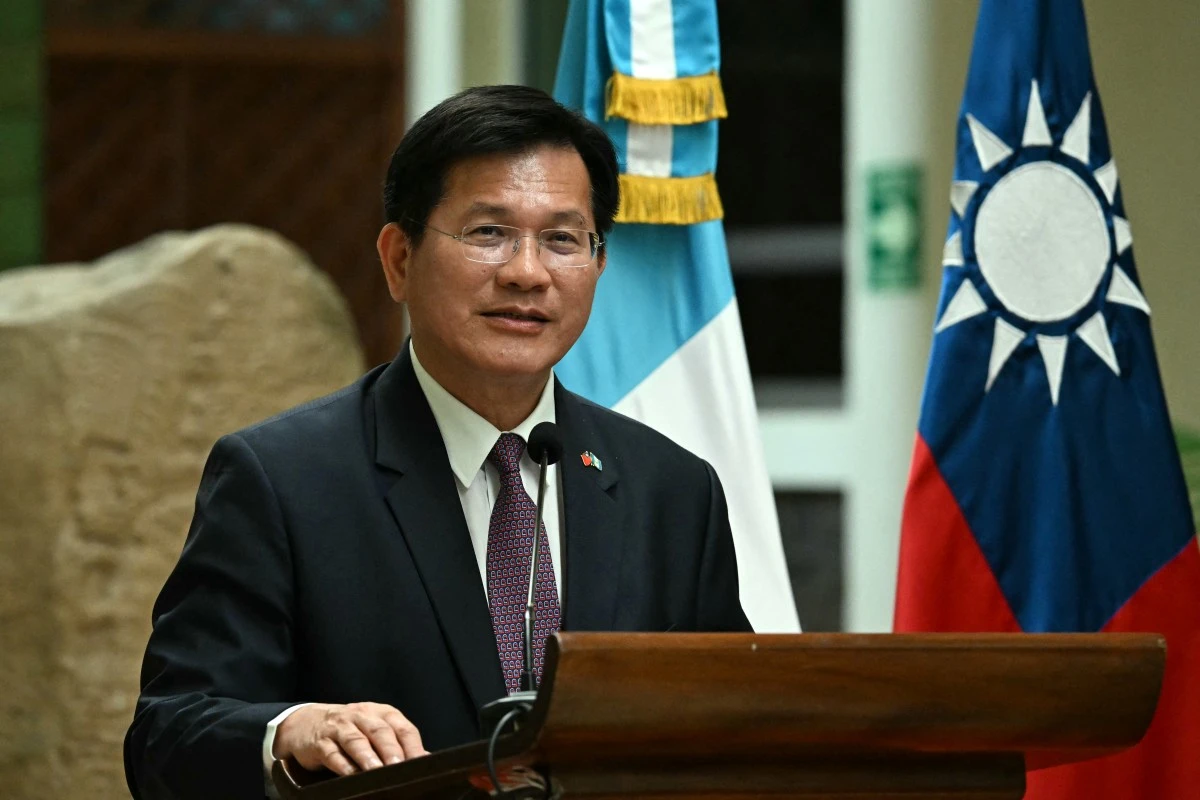
TAIPEI: Taiwanese Foreign Minister Lin Chia-long affirmed that his country looks forward to strengthening its economic and investment partnerships with Saudi Arabia, especially in advanced technology, semiconductors and artificial intelligence, noting Taiwan’s readiness to employ its technological capabilities and resources in supporting the economic transformation path led by “Vision 2030”.
Taiwan occupies a pivotal position in the global semiconductor industry, led by TSMC, the world’s largest manufacturer of advanced chips for other companies, which plays a key role in supplying processors used in artificial intelligence and advanced computing applications. This position reinforces Taiwan’s importance in the race to develop AI infrastructure and simultaneously opens up opportunities for it to expand its technological and investment partnerships with countries like Saudi Arabia.
Lin said in an exclusive interview with Asharq Al-Awsat at the Taiwanese Foreign Ministry headquarters in Taipei that his country views Saudi Arabia as an important partner in the global transformation towards the digital economy and advanced technologies, stressing its readiness to work with the Kingdom in the fields of technology, industry and investment.
Speaking about the repercussions of the war in the Middle East, Lin acknowledged that his country was affected by the risks of disrupted energy supplies and the closure of the Strait of Hormuz, given Taiwan’s reliance on energy imports, but he pointed to his government’s move to diversify supply sources, including increasing investments and purchases from the United States and Australia, along with expanding renewable energy projects domestically.
Prospects for cooperation with Saudi Arabia and “Vision 2030”
Regarding his vision for economic, technological and industrial cooperation with Saudi Arabia, Lin said that the world is witnessing a structural shift from an oil-based economy towards digital technology, semiconductors and artificial intelligence.
He added: “We know that Saudi Arabia is actively pushing forward with Vision 2030 and moving towards modern technologies, and we see Taiwan as the best partner for Middle Eastern countries in these areas.”
In response to a question about future investment plans, Lynn said that his country is currently looking for partner countries in the Middle East that “want to establish normal exchanges and communication with us,” adding: “Whenever we find this interaction, we are fully prepared to pour our resources and investments into those countries, whether it be Saudi Arabia, Oman, Qatar, or other countries that have distinguished relations with our international allies.”
Strong indicators for the Taiwanese economy
Regarding the performance of the Taiwanese economy and the challenges it faces, Lin pointed to the strength of growth indicators, explaining that the economy recorded growth of 8.68 percent in 2025, while growth is expected to exceed 11 percent during the current year, driven by technological innovation and strong demand for semiconductors and artificial intelligence.
He pointed out that the Taiwanese stock market has become the fourth largest market in the world in terms of market capitalization, ahead of major markets, including Britain and France, in light of the boom in technology and semiconductor stocks.
He noted that demand for Taiwanese chips is experiencing strong growth, adding that local technology companies, including TSMC, have received orders that extend for years to come and exceed, he said, their current production capacities.
The impact of Middle East crises on energy security
In response to a question from Asharq Al-Awsat regarding the extent to which Taiwan is affected by regional crises and energy supply routes through the Strait of Hormuz, Lin acknowledged that his country is affected, given its reliance on energy imports, noting that his government is taking steps to diversify supply sources, including increasing energy purchases and investments from the United States and Australia, in addition to expanding renewable energy projects locally, which enhances energy security.
In concluding his remarks to Asharq Al-Awsat, the Taiwanese Foreign Minister said that his country has gained extensive experience in managing risks and dealing with geopolitical threats, stressing its keenness to share this experience with its partners and strengthen economic ties with countries around the world.