- Endeavor Saudi Arabia has supported at least 63 entrepreneurs and over 850 companies since its launch in 2012, providing more than 2,500 hours of mentoring.
- Small and medium-sized enterprises are crucial to Saudi Arabia's Vision 2030, aiming to increase their GDP contribution from 21.2% to 35% by 2030.
RIYADH: Companies supported by entrepreneurship network Endeavor Saudi Arabia generated more than $1.5 billion in annual revenue, according to Managing Director Lateefa Al-Waalan.
Launched in 2012, the Saudi affiliate has worked with at least 63 entrepreneurs, benefited more than 850 companies and provided upwards of 2,500 hours of mentoring, according to figures shared with Arab News.
Small and medium-sized enterprises are central to Saudi Arabia’s diversification agenda.
Vision 2030 seeks to raise their contribution to gross domestic product from a revised baseline of 21.2 percent to 35 percent by 2030.
The latest official reading put their contribution at 22.9 percent in 2024, above that year’s 21.1 percent target.
“In Endeavor Saudi Arabia’s first four or five years, we had around nine entrepreneurs whose collective revenue did not exceed $45 million. Today, that has grown to $1.5 billion in revenue generated in 2025 alone,” Al-Waalan told Arab News.
“Each member has produced an incredible success story and become a role model in their respective sector,” she said.
From founder to ecosystem leader
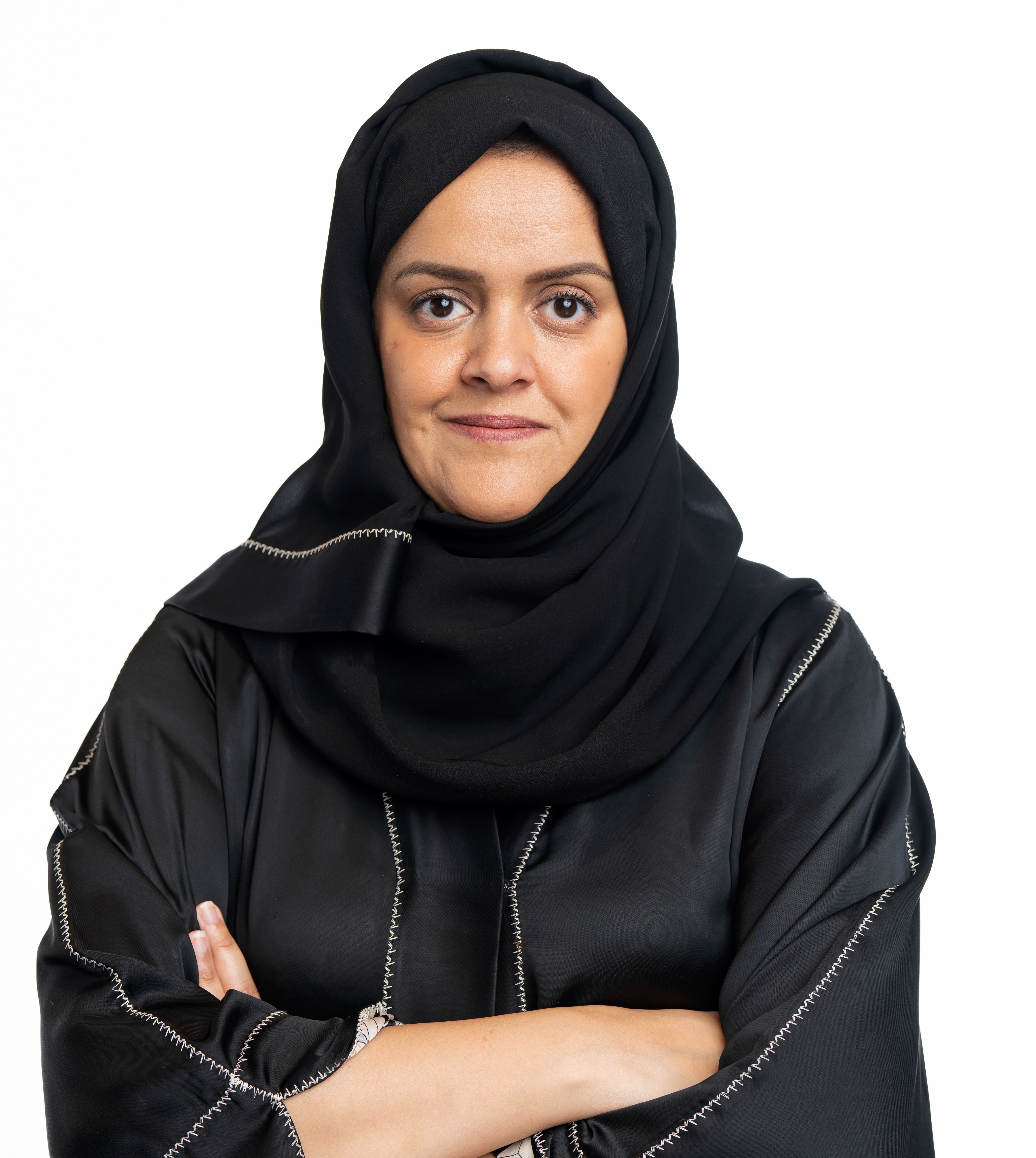
Al-Waalan brings firsthand founder experience to her role at Endeavor Saudi Arabia. She holds a degree in computer applications from King Saud University and an MBA from the University of Washington.
She founded Arabic coffee company Yatooq, launching its brewing machine in 2013, and joined the Endeavor network as an entrepreneur the following year.
In 2016, she established Aroom before taking the helm of Endeavor Saudi Arabia as managing director in 2018.
According to her official Endeavor profile, Yatooq was sold in 2019. Al-Waalan became the first woman appointed to the Riyadh Chamber of Commerce board in 2020 and received the Lindas Award, Endeavor’s highest honor, in 2024.
A demanding selection process
Endeavor’s global figures showed that more than 10,000 candidates were screened in 2025.
That pool narrowed to 1,406 first-opinion reviews, 1,049 second-opinion reviews and 117 international selection-panel interviews before 88 entrepreneurs secured unanimous approval, a selection rate of about 1 percent.
Three of those selected were from Saudi Arabia.
“This is not a typical venture capital screening process where we assess a company in order to invest,” Al-Waalan said. “Every step is also a mentoring session designed to unlock strategic thinking and challenge the entrepreneurs.”
Al-Waalan said founders commonly finish a screening session and call an urgent company meeting to address issues raised during the discussion.
Even candidates who are not selected gain value from the process, she added, while the detailed company profile Endeavor prepares is often later used in investor pitches.
Networks and multipliers
“Once you become an Endeavor Entrepreneur, you have a team supporting you and access to a world-class network of expertise,” Al-Waalan said.
Endeavor’s global community includes more than 3,000 entrepreneurs across over 50 markets, according to the presentation.
The network can accelerate cross-border expansion, she said.
A Saudi entrepreneur entering Egypt, for example, can be connected with Endeavor’s Egyptian network, helping the company reach local decision-makers more quickly.
Endeavor also seeks to create “multipliers” — founders who reinvest their experience and capital by mentoring and backing other entrepreneurs.
The effect can extend to employees who leave successful companies to establish ventures of their own, helping produce a new generation of startups.
Late-stage funding and talent gaps
Al-Waalan said the Saudi funding landscape has changed substantially over the past five years.
A shortage of capital was previously a broad ecosystem problem, but initiatives led by Saudi Venture Capital and Jada Fund of Funds had largely addressed the gap for early-stage startups, she said.
Companies beyond series B still face a shortage of available capital to finance later-stage growth, she added.
Talent is another constraint. Scaleups are becoming better able to recruit, but many employees still favor established companies and government entities, Alwaalan said, with the shortage most acute in middle-management positions.
The next phase for the ecosystem, she said, is for Saudi-developed solutions to move beyond the domestic market and compete on the global stage.
SMEs under Vision 2030
The contribution of small and medium-sized enterprises to Saudi Arabia’s economy continued to expand in 2024, with their value added rising 8 percent, according to last year's Vision 2030 annual report.
Wholesale and retail trade, construction and manufacturing accounted for around 70 percent of that increase, highlighting the importance of these sectors to SME growth.
Separate data from Monsha’at showed that Saudi Arabia had 1.7 million active commercial registrations at the end of the second quarter of 2025, up 2 percent from the previous quarter.
More than 80,000 new registrations were issued during the three-month period.
Women-owned businesses accounted for 47 percent of active registrations, while enterprises owned by young people represented 38 percent.
Established in 2016, Monsha’at operates under the Ministry of Commerce and works to strengthen the SME sector through financing, venture capital, training, technology adoption and business development.
The figures point to a broadening base of enterprise creation, while Al-Waalan’s assessment highlights the next challenge: turning more early-stage businesses into scaleups capable of raising growth capital, recruiting experienced managers and competing internationally.