- German Chancellor Friedrich Merz emphasized that a 'Yalta' format will not bring peace and that Europe will not be divided over Ukraine
- Criticism arose from European leaders regarding Trump's meeting with Putin, labeling it incomprehensible and expressing fears it could encourage Putin's aggression
BERLIN: European allies met in Berlin on Thursday to support Ukraine and warned against any attempt to decide a peace over their heads, after President Donald Trump embraced Russia’s Vladimir Putin as a “friend” at a summit with Chinese leader Xi Jinping.
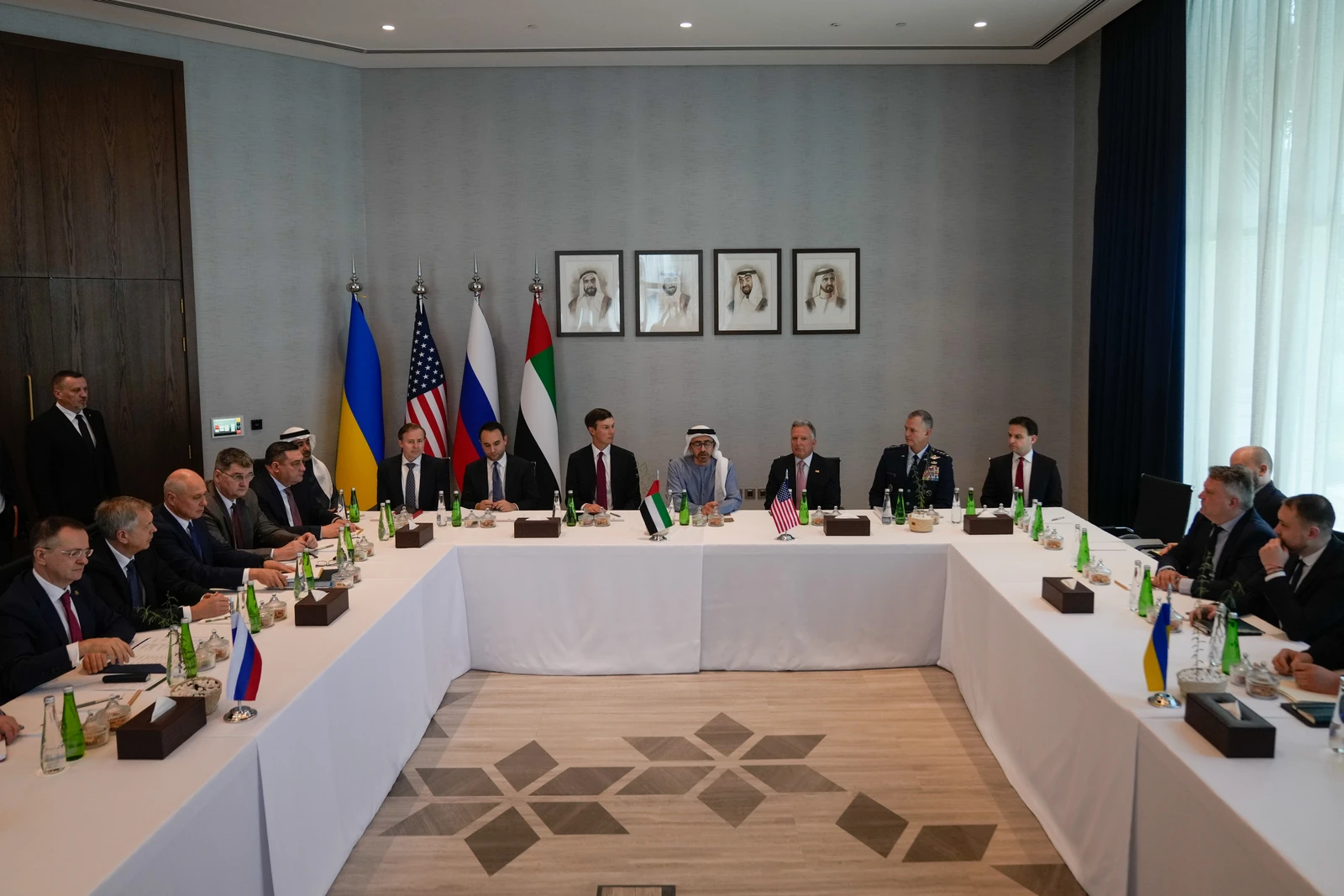
Europe has pushed to be included in US-backed talks to end Russia’s war on Ukraine, and the meeting of the “Coalition of the Willing” brought together the leaders of Germany, France, Britain, Poland, Italy and NATO, along with US special envoys Steve Witkoff and Jared Kushner.
Russia will be unable to outlast the steadfast support of Ukraine’s major allies, the leaders of Germany, France, Britain and Ukraine said in a joint statement after the meeting.
British Prime Minister Andy Burnham said the US and Europe had reached the first real alignment on Ukraine in months.
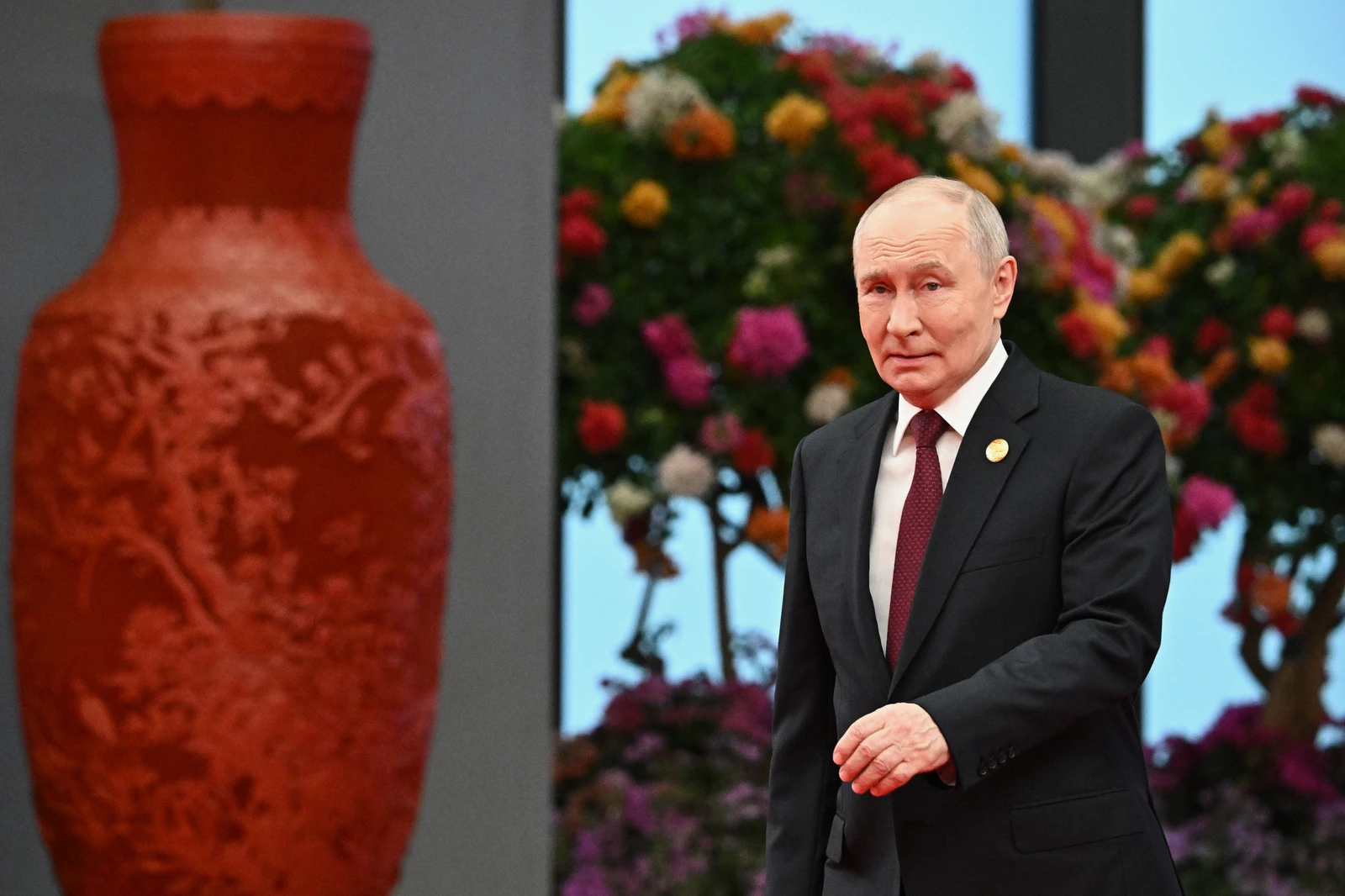
Putin had enjoyed a diplomatic coup at the Shenzhen summit, underscoring fears in Europe that decisions affecting Ukraine and the continent could be taken without European input.
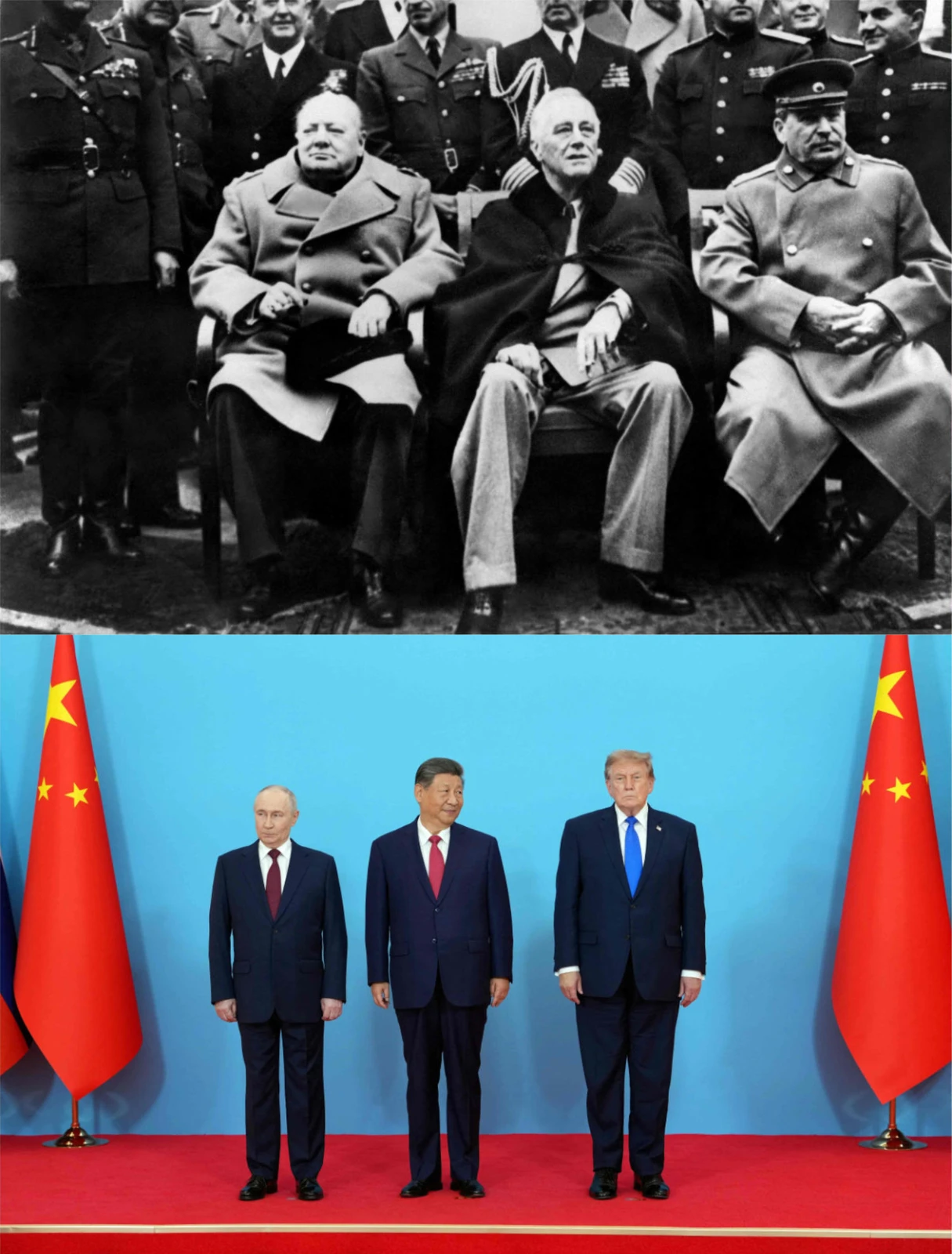
The meeting in Shenzhen had drawn comparisons with the 1945 Yalta Conference between the US, Britain and the Soviet Union, which formalized spheres of influence and became shorthand for great-power deals imposed on smaller countries.
“A ‘Yalta’ format will not bring peace,” German Chancellor Friedrich Merz told reporters, adding that leaders would not allow Europe to be divided up. He also sought to downplay the Shenzhen summit as above all “a photo opportunity.”
Kushner seeks to reassure allies
“The US understands that there can be no peace without us. We, in turn, know that with the United States by our side, the prospects for peace increase,” Merz added.
Trump called into the meeting and, speaking to Reuters from Air Force One, said his message to participants was: “Just that President Putin wants to make a deal, they want to make a deal, everybody wants to make a deal, so let’s make a deal.”
Trump denied suggestions he had complained to participants about European spending on the 4-1/2-year-old war, saying he told them they “should make a deal and spend the money on your own country then. It’s about time.”
Standing alongside Merz, Kushner said Trump wanted a peace deal with Europe at his side and that Russia had agreed to engage in multilateral talks with Europe.
Trump came away from his meeting with Putin and Xi believing “peace is achievable,” Kushner said.
He also said Trump was open to security guarantees for Ukraine based on the NATO alliance’s Article 5 mutual defense agreement, and that Russia had grown “comfortable” with that.
“From America’s perspective, giving an Article 5-like security guarantee is a really, really big deal. And I think that that’s something that President Trump is open to,” Kushner said.
Ukraine’s President Volodymyr Zelensky said Europe had to be included in peace talks.
Speaking later to journalists, Zelensky said there was no clarity on how security guarantees based on NATO’s Article 5 would work.
“I am not sure we have an (acceptance) of Article 5 like we understand it ... It has to be clear, not only to partners but to people, society, investors.”
’Mr Putin is not our friend’
The United States and Europe, close allies for decades after the end of World War Two, have moved apart as Trump’s administration has scaled back support for Ukraine and insisted its NATO partners pay more for their own defense.
Trump’s meeting with Putin triggered a backlash among both European allies and Trump’s Democratic opponents at home.
“Mr Putin is not our friend and will never be,” Polish Prime Minister Donald Tusk said in a rejoinder to Trump.
Danish Prime Minister Mette Frederiksen told reporters: “I find it very incomprehensible that a US president wants to sit down with President Putin,” warning that Putin “will be even more emboldened after today’s meeting. He looks happy.”
US Senator Chuck Schumer of New York, who leads opposition Democrats in the Senate, called the Shenzhen meeting a “historic embarrassment.”
Asked by a reporter about Trump greeting Putin as “my friend” at the summit, Zelensky shrugged and walked on.
NATO Secretary General Mark Rutte, who has repeatedly tried to soothe tensions within NATO and keep Trump onside, said it was normal for major nuclear powers to meet.
“President Trump has been constantly working Herculean efforts to get peace done in Ukraine, and I can only commend him for that,” Rutte said.
Russia suggests European envoys come to Moscow
European countries, which provide most aid to Ukraine, have largely been sidelined from its US-sponsored talks with Moscow. They sent representatives to talks in Abu Dhabi last week, but Kremlin officials said Russia had not agreed to a repeat.
Putin, faced with Ukrainian attacks on the road bridge linking Crimea to Russia, said China, the US and Russia had “numerous shared interests in the settlement of regional conflicts, including obviously the conflict in Ukraine.”
He said Russia had proposed that European envoys come to Moscow to clarify their position before any decision on the format of further peace talks.