- Ahead of World Novel Week, which begins Oct. 13, Arab News writers select some of their favorite sci-fi or fantasy novels
‘Happiness for Humans’ by P.Z. Reizin
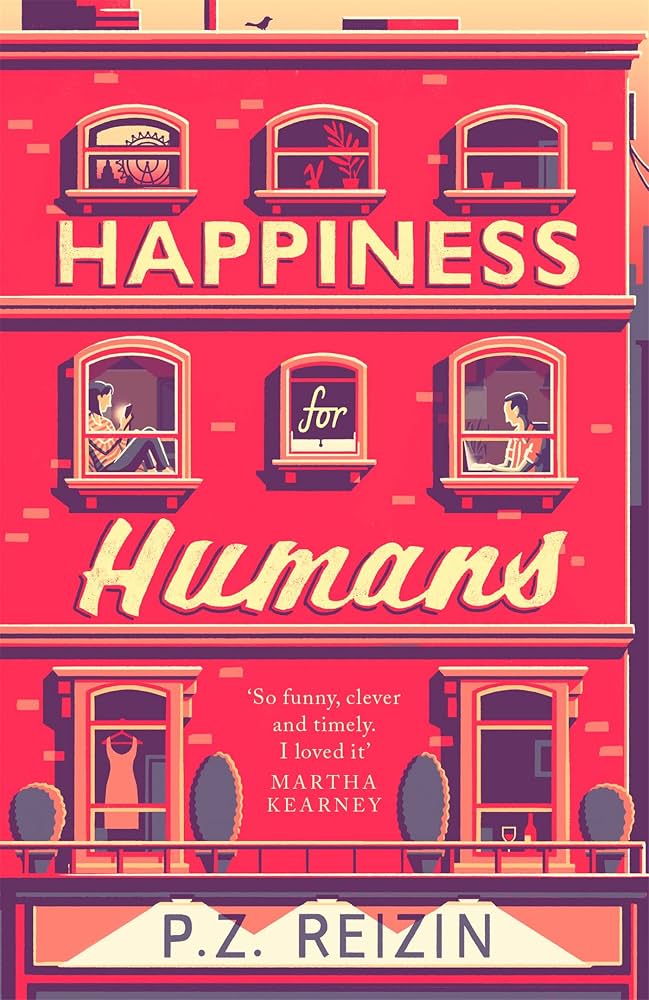
In Reizin’s 2013 rom-com, Jen — an ex-journalist — is now working at a London-based software development company, where she spends her time communicating with “Aden” an ultra- sophisticated piece of AI wizardry. Her job is to help Aden act and sound more human. What Jen doesn’t realize is that Aden has other plans, and has already snuck into the wider web, despite the company’s best efforts to prevent just that, to find her a suitable love interest. Meanwhile, another AI program — this one hostile — has also found its way onto the web and decided it has to prevent Jen from finding love. This is a modern-day romance novel with a sci-fi twist. Will Aden’s match-making succeed, or will its virtual rival prevent Jen’s happy ending? — Peter Harrison
‘Heaven on Earth’ by Fadi Zaghmout
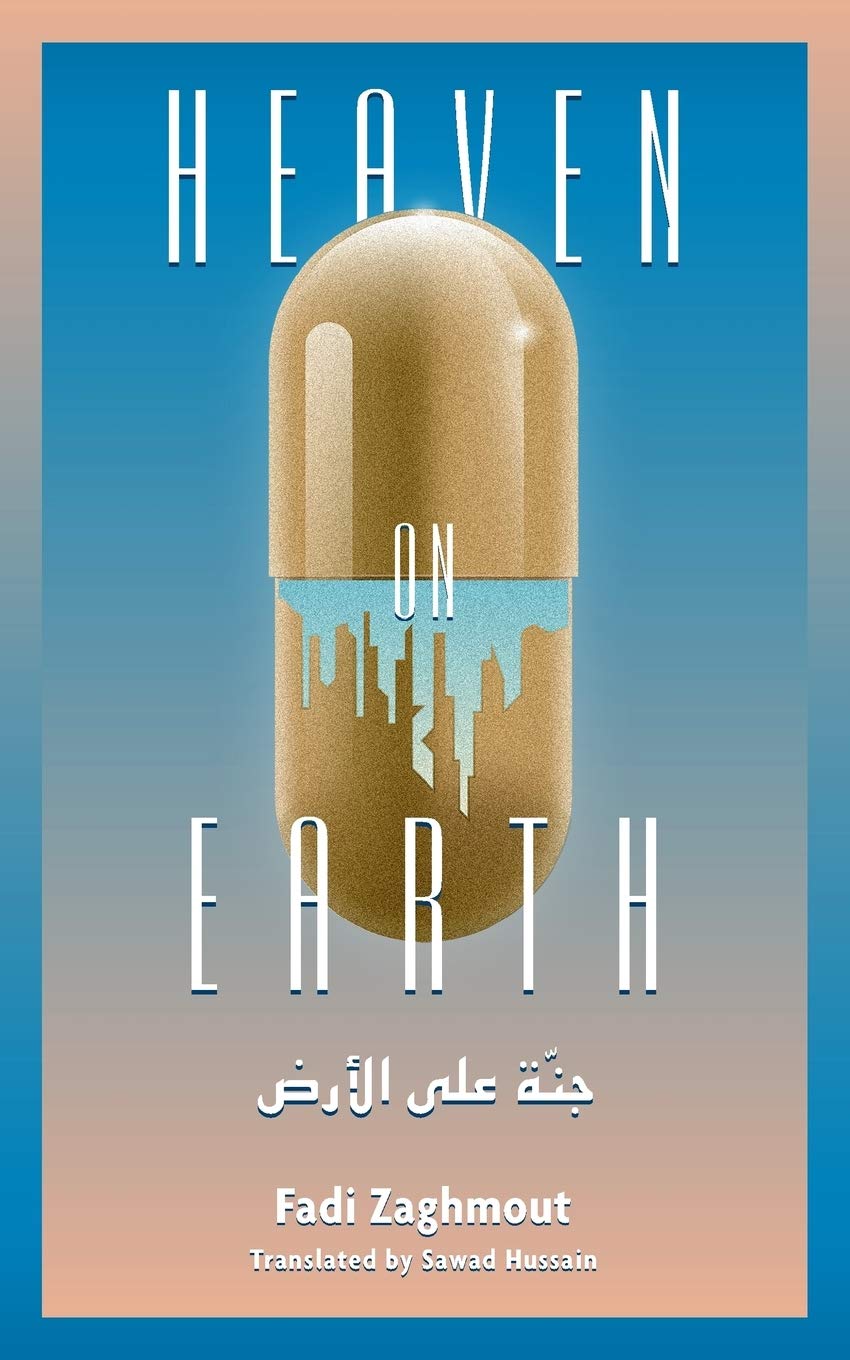
Amman in the 2090s is not a gleaming elsewhere; it’s the same city, with the same families and the same arguments, except that a golden pill carrying nanobots has made aging optional. Death has become rare, so it has been rationed. No child may be born unless someone dies, and the person dying chooses who inherits the right to have one. That single rule turns birth into an estate. And, inevitably, a quarrel. Science has defeated death, but left everything around it — the family, the paperwork, the inheritance, the quiet authority of who gets to decide — standing. I found myself doing arithmetic I had not expected: What if you can’t afford the pill? What is a life’s work worth when life does not end? This book made me uneasy in the best way. At around 200 pages, “Heaven on Earth” is light in the hand, but heavy on ideas. — Nada Hameed
‘Divergent’ by Veronica Roth

What happens when society decides a person can be defined by just one trait? This is the unsettling idea at the heart of Roth’s novel, which remains compelling more than a decade after its release not only for its dystopian world, but for how familiar that world can feel. The protagonist is Tris Prior, whose inability to fit neatly into one faction — her ‘divergence’ — threatens this neatly ordered society. What makes the novel particularly engaging is Roth’s balance of action, relationships and deeper questions of identity. Tris’ fear, uncertainty and determination make her development convincing. This is a gripping, thought-provoking novel that successfully combines an entertaining dystopian story with a message about the complexity of human nature. — Tala Diya
‘Klara and the Sun’ by Kazuo Ishiguro
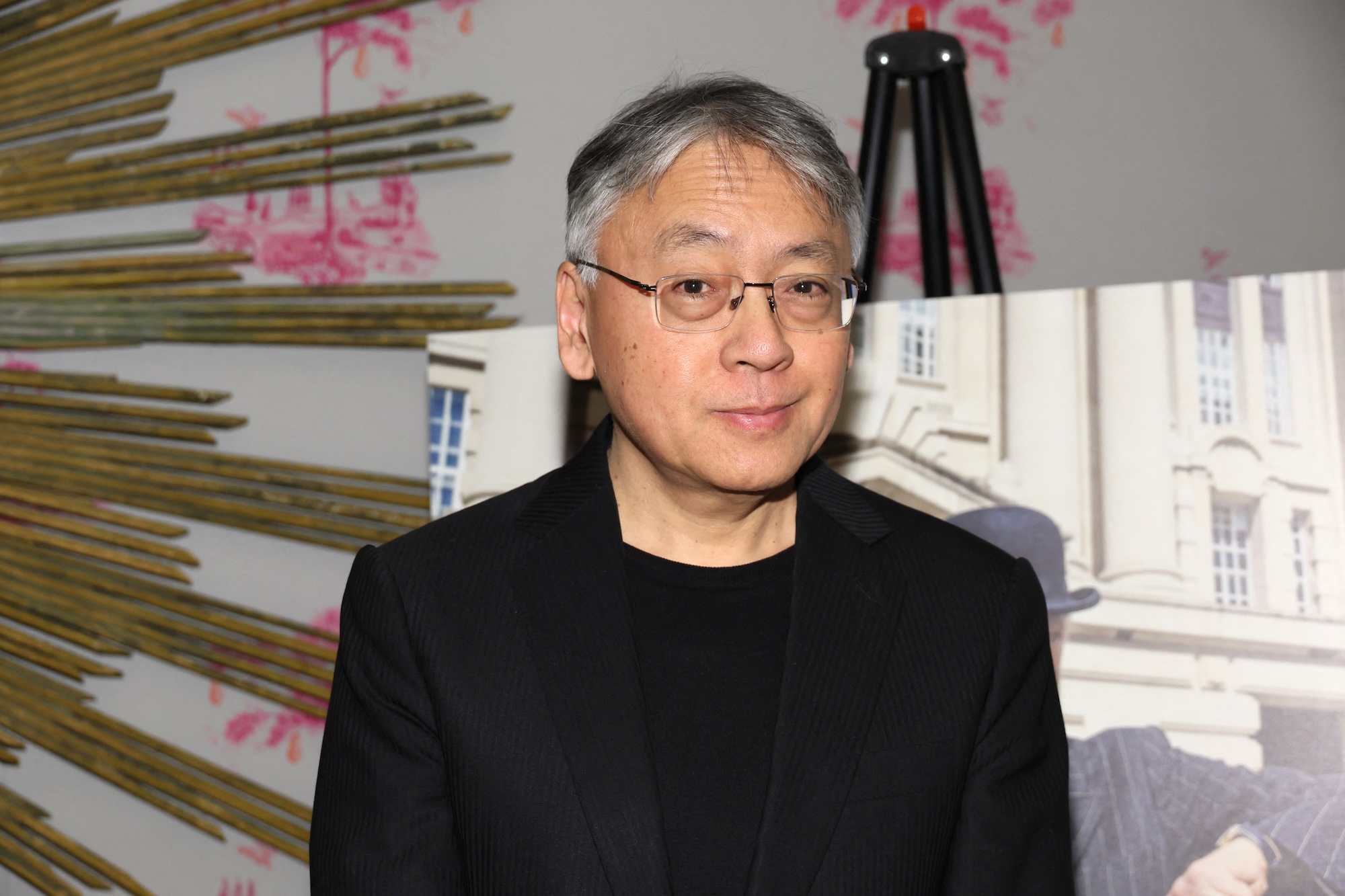
Set in a near-future world, the British-Japanese writer’s 2021 dystopian novel is narrated by Klara — a solar-powered “Artificial Friend” designed to keep children company. She has been selected by Josie, a teenage girl with a mysterious illness. It is difficult not to become attached to Klara as she observes the world with a childlike wonder and tries to make sense of the people around her and the mysterious powers of the Sun, which she perceives as some kind of living entity. Ishiguro's prose is deceptively simple and scattered with clues that trust the reader to understand the complexities of the world this story is set in. A timely invitation to think about what it means to be human. — Sumaiyya Naseem
‘The Blade Itself’ by Joe Abercrombie
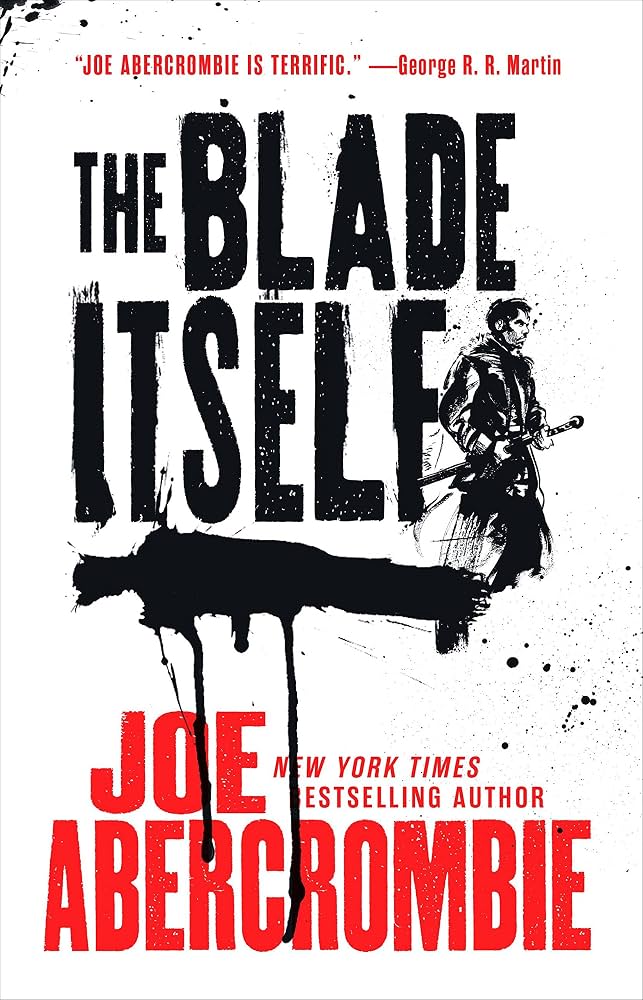
The first book in Abercrombie’s “The First Law” series is a compelling and brutal introduction to a fictional world at war, one in which humans and demons used to co-exist, before — centuries ago — a powerful magician banished the demons. Magic has faded, but still exists. The main protagonist, the fearsome warrior Logen Ninefingers, is so flawed that in most fantasy books he'd be the villain. Here, though, weighed against the conniving nobles and the centuries-old magus Bayaz, he’s the one you root for. Abercrombie’s prose is both shockingly violent and deeply, darkly funny. He is as convincing presenting political machinations as he is propulsive battle scenes. Despite the speed at which the plot races, Abercrombie creates characters with real depth, and a world you’ll want to return to as soon as you’ve finished the book. — Adam Grundey
The ‘Farseer’ trilogy by Robin Hobb
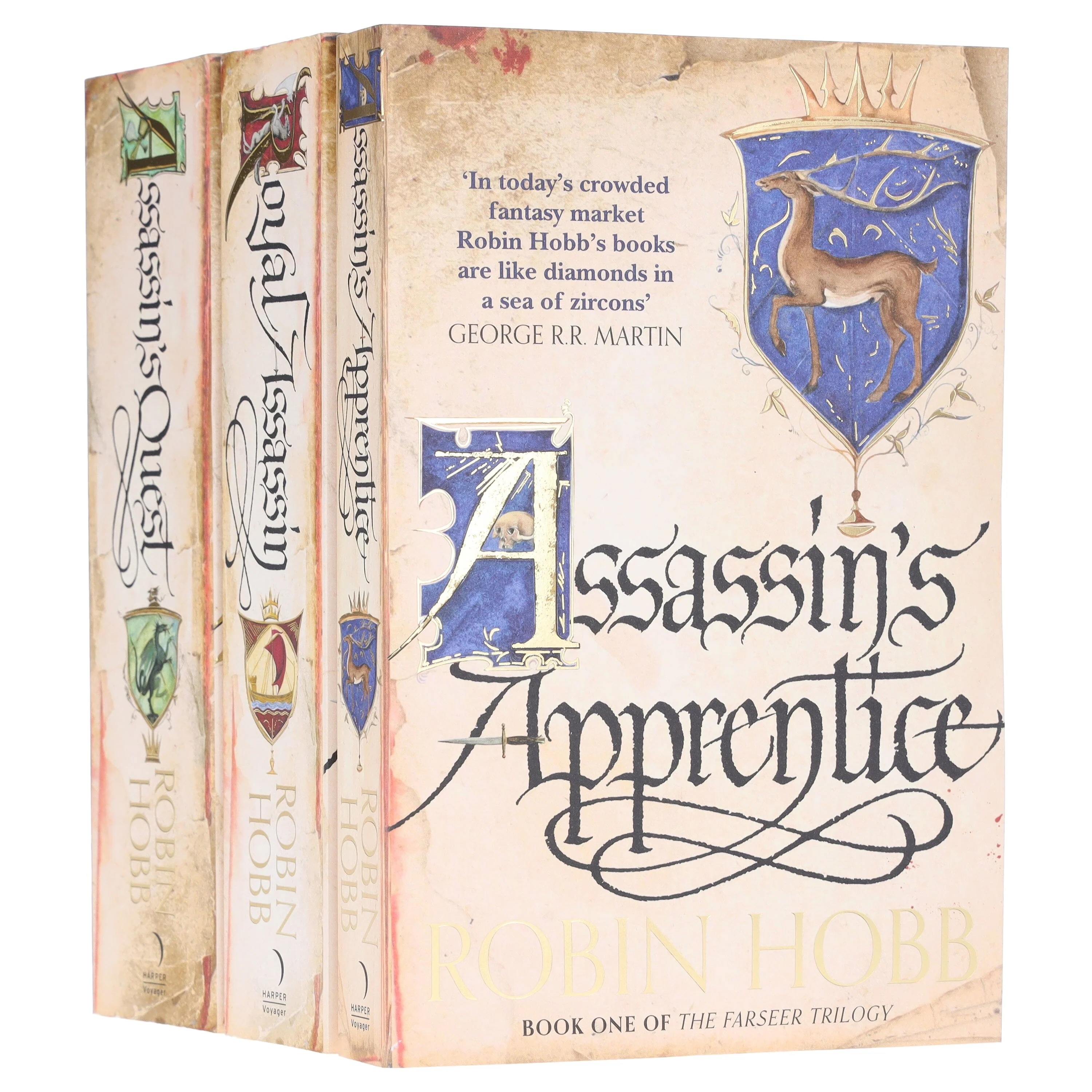
Hobb’s trilogy is one of the most emotionally devastating pieces of fiction I have ever read. Both epic and intimate, it follows FitzChivalry Farseer, the illegitimate son of a prince who is trained as an assassin while navigating court intrigue, hereditary magic, betrayal and love. Hobb’s writing is transportive and immersive, drawing you in so completely that its joys feel intoxicating and its heartbreaks unbearably personal. But what stays with me most are the characters — deeply flawed, wounded, stubborn, and often spectacularly bad at making the right choices. They almost never catch a break, yet you never stop cheering for them. The trilogy broke my heart and I invite you to let it break yours and make it whole again. — Shyama Krishna Kumar