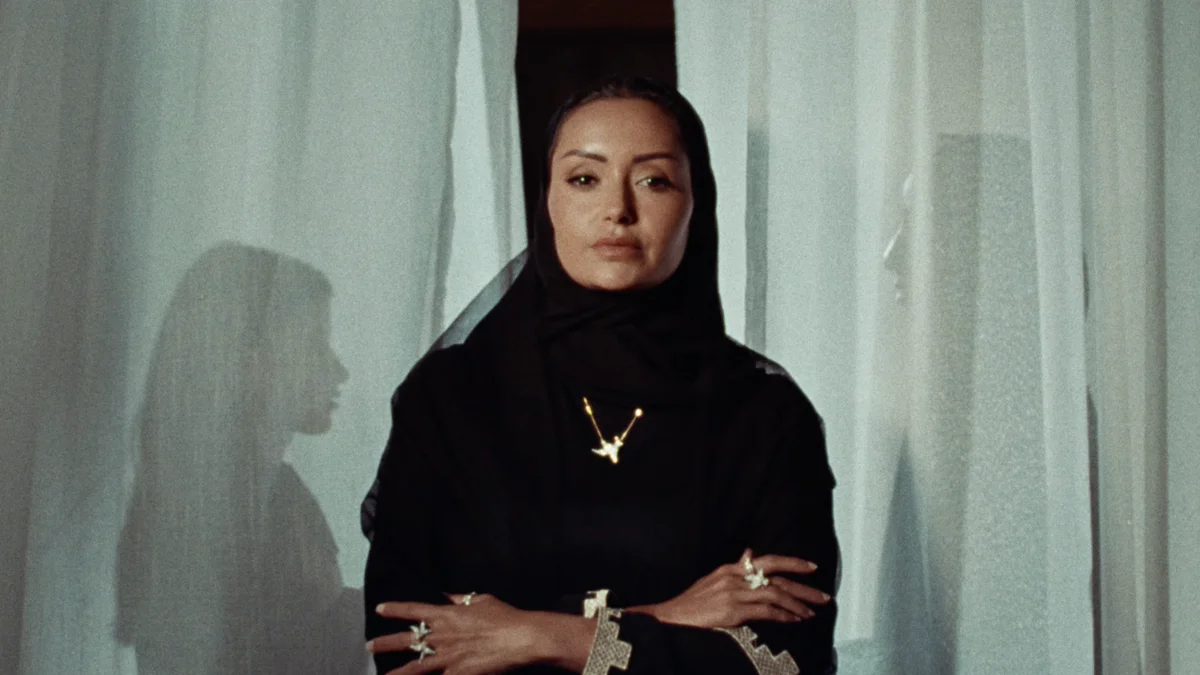
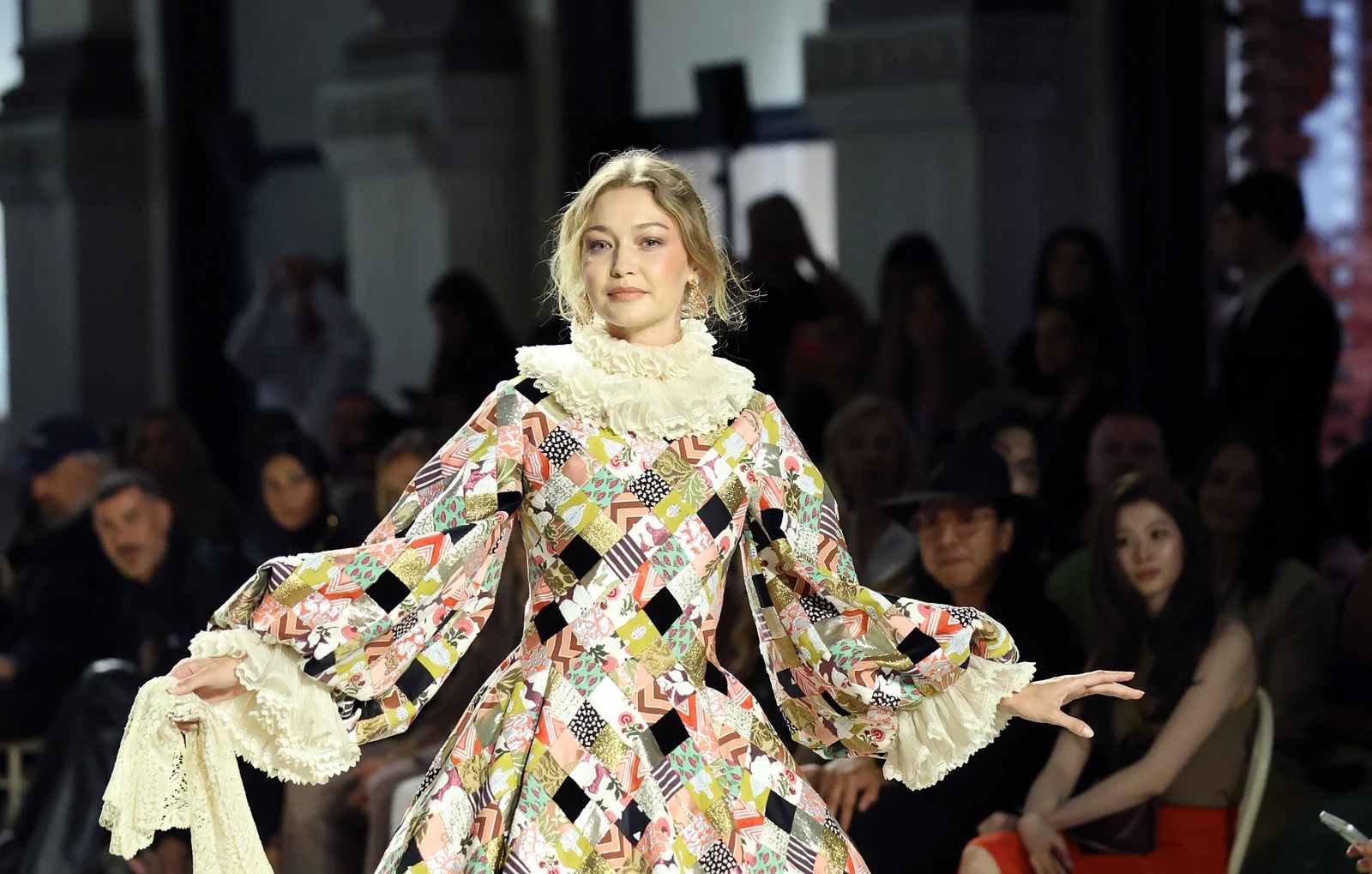
Reem Faisal is a Saudi bridal couture engineer who creates fairy tale dresses using art and aesthetics alongside her technical aptitude.
The power of fashion was what interested the designer at first. One day she realized what a conglomerate of talent, business acumen, technical study and marketing can do to one’s wardrobe when they join forces. Fashion is one of the most underestimated segments of an economy, according to Faisal.
We met with the couture designer to know more about the fashion industry in the Kingdom along with the new wedding couture market in the country:
Did you have any background in design or manufacturing before you began?
My entire childhood was spent in my mothers atelier, EVE Haute Couture, one of Jeddah’s oldest and monumental ateliers. I grew up learning about sewing machines and the artistry of beading instead of learning how to play LEGO and doing puzzles. I formalized my interest by obtaining a degree in Fashion Design in Virginia, USA and went on to gain experience in the retail world of fashion. I was awarded for my skills in draping.
What made you decide to start your own line instead of going the more traditional path of designing for an existing label?
Initially, I did work for a Saudi brand which was my mother’s flourished and thriving atelier, EVE Haute Couture. The experience I gained designing for clients on a one-on-one basis was priceless in helping me launch my own label. The direct interaction gave me insight into the emotional and psychological experience of the client when anticipating the perfect gown.
How long have you been designing and making bridal gowns?
It has been seven beautiful years of specializing in the art and science of bespoke & “couture”.
Why did you decide to design haute couture gowns?
Couture is truly the essence of everything fashion. It all began with Parisian Couture. I was drawn into couture because of the principals and discipline that shouldered its creativity. Couture is unique in its core concept and marketability. There are very few entities in the fashion fraternity, globally and in the MENA region, who are specialized and passionate about the heritage of couture.
What inspires you when designing a new line?
Designing is a state of mind. I am inspired by fresh ideologies and by enhanced mental paradigms. I create best, when I feel I have been enlightened by an experience, encounter or thought.
How do you keep yourself updated with latest international trends?
Resources are endless in this era of instant communication. It’s important, however, to approach all information feeds with objectivity in order to form your own take on things as an artist.
How would you describe your style?
I am bi-polar when it comes to style. I have my own personal style exclusive to my own adornments and it’s best described as comfortable and understated. My creative style and aesthetic, however, is far from understated. I believe I am most vocal and opinionated when using gowns as my means of communication. My creations are grand, opulent, intricate and regal. I don’t think I’ll ever forgive myself if I make a “cute little dress”.
Tell us about the wedding fashion industry in Saudi Arabia.
The wedding industry in Saudi Arabia is for the resilient and aggressively creative professionals. Fashion in specific, whether evening or bridal, in Saudi Arabia is very unique and eclectic when compared to the international fashion behavioral tendencies. Fashion is divided into categories and subcategories under the umbrellas of tradition, culture and societal norms. This opens doors for the creative processes, but also makes targeting a market segment more complex.
What are the obstacles you face in the fashion industry in the Kingdom?
1. The lack of exposure platforms. For example: Fashion shows, runway shows, wide scale fashion exhibits face legislative challenges, and are therefore, scarce and limited in scope.
2. That fashion journalism is not selective and accurate enough in their coverage.
3. The laws governing fashion establishments fall under general labor laws, whereas the fashion sector is exceptional in its needs and organizational structure.
4. That there is yet structural reform and development needed before the fashion sector in Saudi Arabia is called an “industry”. We don’t have the active components as yet for the word “industry” to be used with validity. What we have is a fashion “retail” industry.
Are your designs ready to wear or do you tailor them according to your clients?
My label creates both couture as well as ready to wear lines.
What do you know now that you wish you knew when you started your fashion career?
I know now how important perception and branding are to a product or a service based business. It’s easier when you have that insight from the offset to keep aligned with your other efforts as you go along.
How can you predict which designs will be in most demand in the future?
As an entrepreneurial creative, I utilize different metrics of study and planning to anticipate areas of popularity and demand and play on them. Forecasting agencies, trend directions, popular art, economic shifts and lifestyle traits are all taken into consideration when planning for a target customer. I’m often pleasantly surprised that the response surpasses expectations. I must be doing something right.
What are the different kinds of materials you use for wedding dresses?
Every season there’s something different and for every client there’s something different as well. I often opt to import fabrics from European fabric houses for dresses that require a specific behavior, color or fluidity. But many a times I use fabrics available in the Saudi market. Construction and design are two elements that bring fabric and material to life. If mis-used, even the most exclusive material or fabric can look like a train wreck. Currently, I’m experimenting a lot with a fabric blend called “Neoprene”
Do you follow international trends or do you come up with your own trends?
I may use upcoming trends and incorporate what’s relevant. Generally speaking, I don’t stay true to them, but rather use them as guidelines in anticipating artistic direction. In couture, there’s no following anything. The creative space in couture is very individualistic.
How do you want a bride to feel when wearing your designs?
I want her to feel comfortable. Comfort is priority for me. Then comes the feeling of grandeur that expresses her inner most personality. I want her to feel that the dress is an extension of her own mind and soul. My brides always “relate” to their dresses the way they would to a book or a song. My gowns are personal narratives of the person wearing them, through my eyes.
What is your signature style?
In my personal attire, I keep my outfit understated and invest in big hair and dark lips. With my creations, you’ll always see me in the flounce and opulence.
In the case of a Saudi bride, how should she balance the elements of cutting-edge trend, her personal preferences and what looks good on her when choosing a dress?
Whether it’s selecting a ready to wear dress or opting for bespoke, your figure and body type is what should steer you toward your selections. Trends and current looks would not compliment you unless you have a reasonable understanding of what you’d like to highlight and what you’d like to conceal in your body type. I would advise that you invest time in understanding what you’d like the garment to do for you, before you start your selection process.
What are the bridal gown trends of 2014?
1. Sheer fabrics and sheer sections.
2. Hair accessories vs. a veil alone.
3. Shoulder and back detailing
4. A hint of color
5. Structured panels and cuts
Many wedding gowns are strapless. Is there a certain age at which a woman should think twice about a strapless gown?
Fashion is timeless and ageless. Your decisions should be based on your physical attributes and personal needs, not necessarily age. What is tacky on a 16-year-old is tacky on a 40-year-old. How you style a garment also makes a huge different in the final look. You can almost dress anything up or down with complementing style elements.
What considerations should a bride make when choosing the shape of her dress?
Apart from her body type, a wedding gown should be conceptualized alongside attributes of the venue and movement flow for the evening. A wedding dress should complement the wedding theme and location.
How should a wedding dress be stored in order to preserve its beauty?
After care is supremely important in preserving a wedding gown. Immediate dry-clean and proper storage will help in making the dress a timeless masterpiece that is inherited across generations.
What is the most valuable piece of advice you would give to a bride-to-be when she comes for a fitting?
Come with a clear mind and proper hosiery. Emotional baggage can fog a person’s perception.
How much of your own opinion do you give to brides at the fitting?
My 100 percent. My opinions are are not derived from my alter ego, rather, they stem from technical know-how and strong conceptualizing skills. My opinions are used as directive perimeters. I listen carefully to my clients’ desires and vision and improvise from my side. Ultimately, we always merge the client’s request with what is doable.
Where do you see the future of haute couture in the Kingdom?
I see a progression of various fashion entrepreneurs that will help shape the “industry” that needs to form in terms of fashion.
What are the future plans for your fashion brand?
I am the Vera Wang of the Middle East. My brand is a leader in bridal, evening ready to wear and couture in the region and internationally. My plan is for my brand to be recognized, not only for aesthetic value, but for exceptional versatility and construction efficiency.
—
Email: [email protected]
Arab News