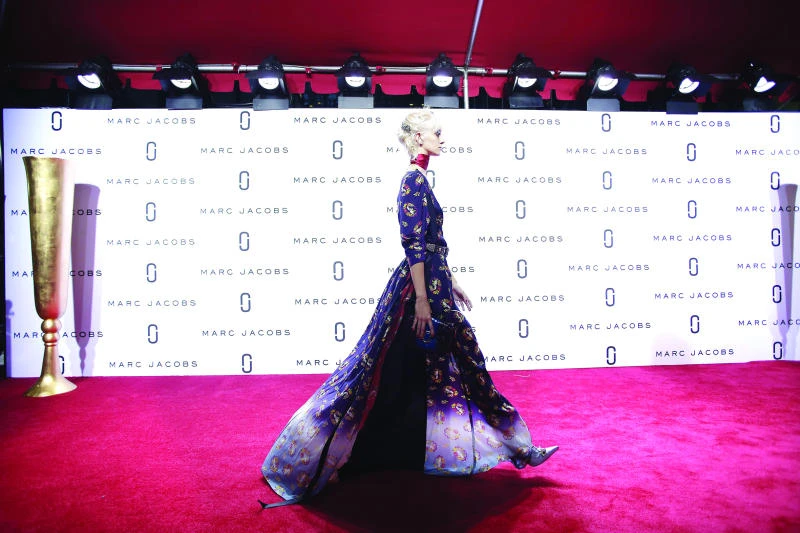
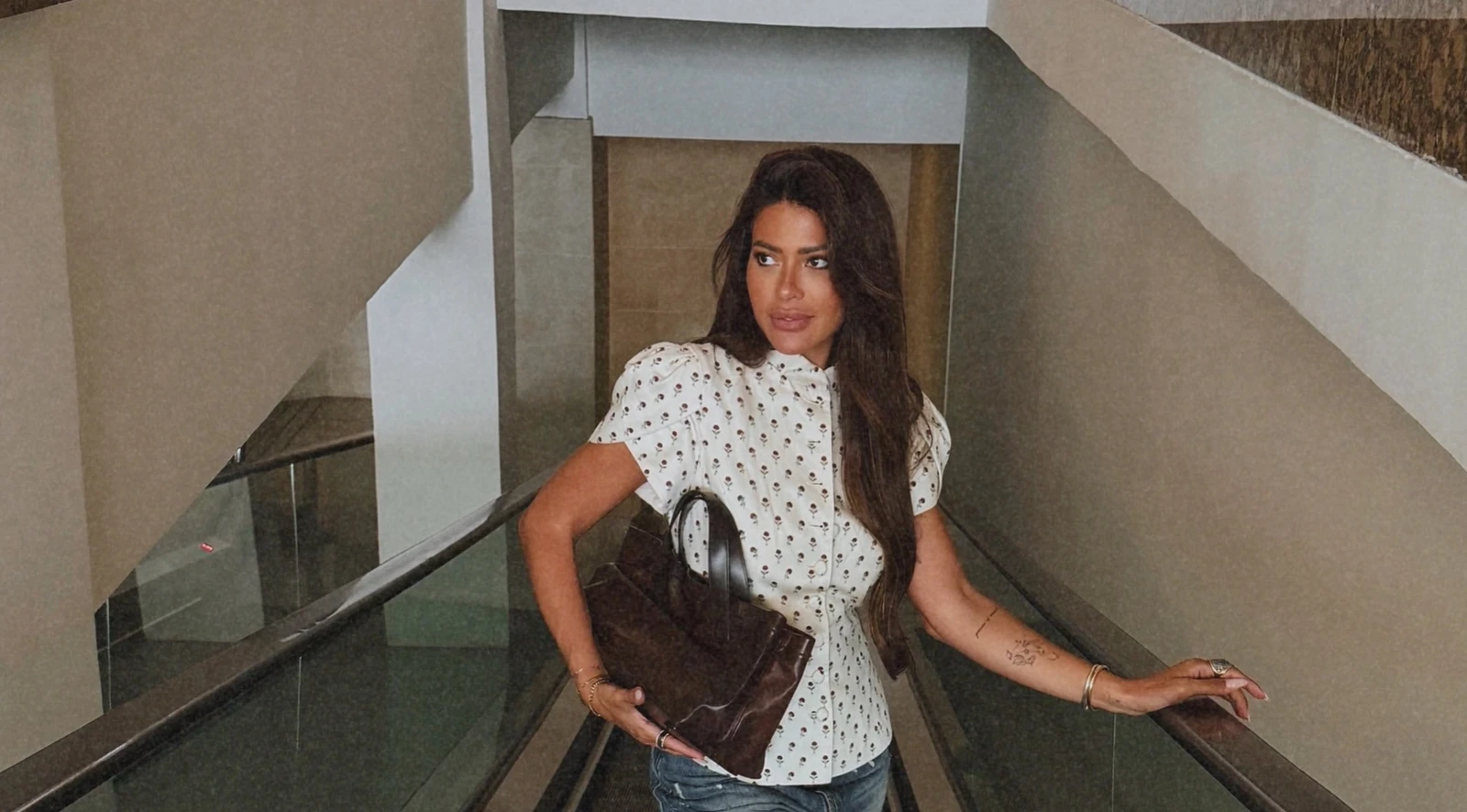
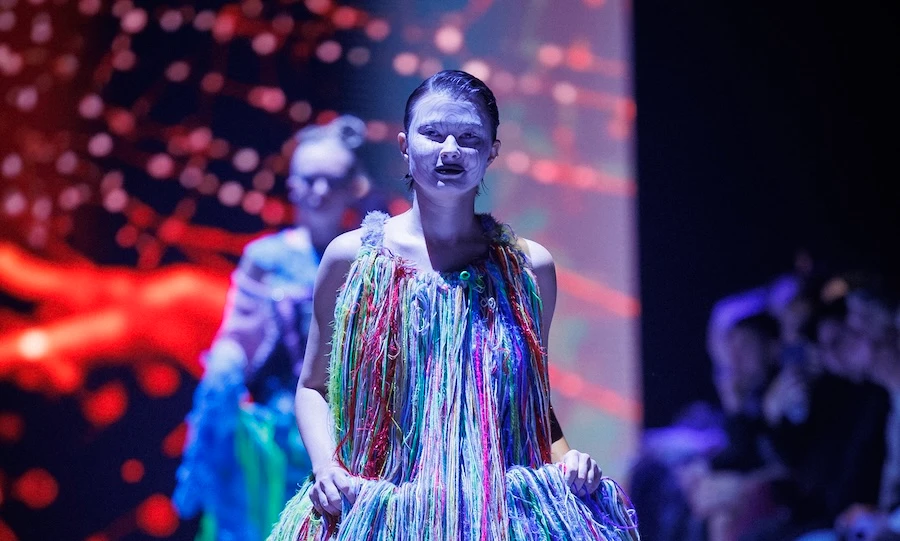
NEW YORK: Once the preserve of the rich and famous, New York high fashion is now more than ever entertainment for the world at large, with catwalk shows increasingly accessible and clothes instantly available.
Gone are the days when only editors of elite fashion magazines were allowed to hobnob with models and designers backstage at a catwalk show. The digital revolution and the explosion in social media means that photos of a model being made up or a snip of gossip can be pinged around the world to avid fans in seconds.
Almost all New York designers now live stream their catwalk shows online. Sometimes retailers, such as US department store Saks with design house Public School and others, carry them online as well.
Fashion houses are on Twitter, Instagram and Facebook, openly encouraging a new generation of consumers to watch, listen, start a conversation and of course buy.
“It is not just a monologue — now it’s a dialogue between the consumer and the brand,” says Jessica Michault, chief editor of influential website nowfashion.com.
“If they don’t feel like they are having a dialogue, they’re going to get turned off from the brand, and part of that now is that you are just ramping up the experience of being included into the show.”
At the latest New York fashion week, Tommy Hilfiger inaugurated Twitter’s new Halo service, offering a real-time 360-degree view of a show.
Givenchy went one step further by inviting more than 1,000 members of the public to ringside seats at its spectacular outdoor show.
“Gone are the days when you needed an invitation to participate. Fashion is now open to all,” says fashion writer Eila Mell, who has written a book about New York fashion week.
In the digital age, traditional players are losing their influence to those who are more connected online, says Emily Bungert, who founded her own PR company, EB Consults, in August.
“Seventy percent now of your press list is probably websites and blogs, and 30 percent newspapers, magazines, stylists,” she says.
When she compiles her guest lists, she apportions seats based on a guest’s online following.
“It’s all about how many followers you have on Instagram — a lot of the people that are the most famous in the front row are famous because they have 200,000 followers on Instagram or something,” she explains.
NY fashion turns into global entertainment