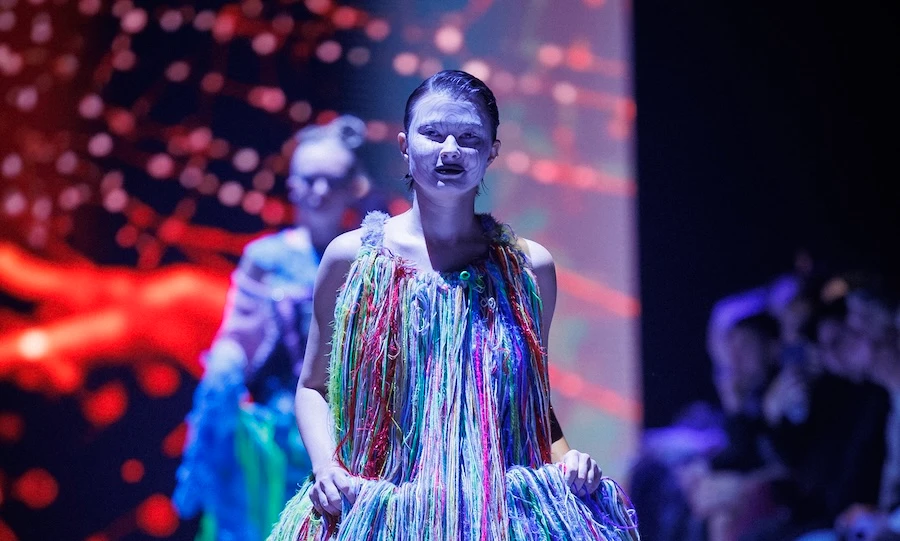
The separation between physical and digital spaces appears to have been totally overcome. Brand experience is now a holistic phenomenon where consumers are involved in an environment of continuous physical, digital and human interactions.
Raffaella Campagnoli, Accenture Management Consulting Middle East wrote an exclusive article for Arab News to talk about driving fashion brand value.
Physical sale spaces – stores — are still a fundamental pillar of the brand experience, monitored closely to understand consumer’s needs, behaviors, preferences and, of course, sales. However, with the present technological maturity in fashion and luxury retailing, the virtual environment now completes and supplements the brand experience by enhancing service levels, time to market and adding value to consumers.
Ermenegildo Zegna is an important example of best practice when it comes to creating consistency between the physical and digital realms. The relevance of the virtual space in the overall digital strategy can be noticed right from the home page, where links to the online shop, the newsletter subscription and the social media space (Facebook, Twitter, YouTube, Foursquare), are combined with the ability to find the nearest store in a few seconds. In addition, any customer can enter Peter Marino’s flagship stores directly from their couch with Zegna’s free app “Zegna In Store”, which features a 3D environment capable of immersing digital customers in the luxurious atmosphere of a real boutique, purchasing products online in the same way they would in the bricks-and-mortar store.
The “Art of travel”, Louis Vuitton’s main advertising campaign, is alive and shareable in “Amble”, the first Louis Vuitton app recently launched in collaboration with Apple. Amble is a high-tech travel guide and journal that enables users to “record your travel memories, visit your favorite celebrity’s local haunts and find the inspiration to make your next trip unforgettable”.
Each user has the option to create a set of personalized itineraries that can then be shared on the leading social networks. The last app launched by LV last November — “LV Pass” — allows users to enter into the heart of the Maison’s world and experience ads in new ways with behind-the-scenes content, featured product information and a store locator. The interactive elements of Louis Vuitton’s Pass app engage consumers by curating a personal experience that fleshes out familiar ads.
Digital and physical environments also meet beyond luxury. At Nike, a world of possibilities is unveiled when customers enter its online sphere with the NikeID. “myLOCKER” makes it possible for customers to save their favorite collection pieces, to feature and save their customized models, and then share them all with friends. Offline, the main flagship stores offer “Service Professionals” that can execute in the store some of the customization options typically ordered online. “Nike FuelBand”, a bracelet that monitors the user’s daily physical activities and consumption of calories, is yet another tool that ensures a continuous interaction with the brand. Here, the digital experience is driven by key firmware and hardware upgrades that help users set and achieve their goals: Bluetooth 4.0 technology connects the Nike FuelBand automatically and seamlessly with the NikeFuelBand App. Meanwhile, the off-line experience is offered by Nike Fuel Stations, temporary shops, usually located in parks that offer an interactive experience on the Nike FuelBand.
In the Middle East, brands still have a long way to go in terms of getting to know their consumers. Technology will play a key role in enabling a direct contact/interaction with consumers and in facilitating the collection/analysis of data to generate actionable outcomes. The web brand reputation analysis, for example, which analyzes the amount and quality of the buzz being generated as Internet users talk about a given brand, and the shopper analytics, which provides a thorough picture of consumers’ in-store behaviors by analyzing these evidences in relation with in-store and on-line sales/digital media participation, are key to the successful course of development by highly performing brands.
Leveraging the experience factor in an omnichannel environment can help identify, connect and orchestrate physical, human and virtual touch-points between brands and consumers, ultimately creating a holistic, consistent and engaging experience that is aligned to customers’ expectations. To activate a constant monitoring of those touch-points will ensure a continuous improvement path.
Email: [email protected]