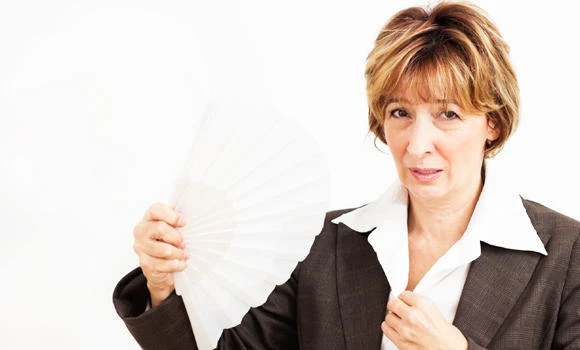
Hot flashes are a sudden feeling of feverish heat, typically a symptom of menopause. Women who have hot flashes might experience some difficulty in sleeping because hot flashes, called night sweats, also occur in deep sleep.
It’s not precisely clear what causes hot flashes. However, they’re most likely due to hormonal changes in the body. Some women barely notice hot flashes or consider them a minor annoyance. For others, the intensity may affect their quality of life in a rather negative way.
“Hot flashes are a quick feeling of heat and sometimes a red, flushed face and sweating. It is not yet known what is the exact cause of hot flashes, but it might be related to changes in the female body’s circulation,” said gynecologist Dr. Sarah Taher. “These hot flashes happen when the blood vessels close to the skin’s surface expand to calm and cool. The body might also sweat to cool itself down and some women have a rapid heart rate or chills,” she added.
The length of hot flashes varies from one woman to another. “Some women have hot flashes for a very short time during menopause while others may have hot flashes for life. Generally, hot flashes are less severe as time goes by,” said the gynecologist. “It is not only hot flashes that women suffering from menopause will face. They also experience a red flush in the face, upper body sweating, faster heart beat and tingling sensation in the fingers,” she added.
According to Dr. Taher, no woman can run away from hot flashes during her menopause, but there are things that may bring them on more often or cause them to be more severe. “Try avoiding things that are bad for the health — no smoking, no caffeine, avoid stress and tight clothing, hot weather and of course, spicy food,” she said. “It is recommended for women to stay cool and always have their air-conditioning on and to wear light layers of clothes made of natural fibers such as cotton. Women should also exercise daily and take deep breathes and drink iced cold water as soon as one experiences hot flashes,” she added.
Alternative treatments such as botanical and herbal therapies have shown promise for the treatment of several menopause symptoms, such as hot flashes. “It is highly recommended to speak to your doctor before taking any kind of herbs for they might have side effects or interact with other medications,” said Dr. Taher. “While medical studies have not shown their effectiveness for reducing hot flashes, some women find that herbs and natural remedies may relieve them of the condition. These include black cohosh, flaxseeds, red clover, evening primrose oil, dong quai and soy,” she added.
Many women are turning to natural products for managing hot flashes and night sweats. “If you take natural products or supplements, it’s important that you mention this to your doctor and pharmacist whenever you discuss your health and medications,” said Dr. Taher. “Some products can interfere with over-the-counter and prescription medications,” she added.
Dr. Taher recommends a change in lifestyle choices. This can make as much of an impact on your body as any medication or supplement you take. “Living a healthier lifestyle helps to reduce the severity of hot flashes and the risk of heart disease and osteoporosis. “You need to limit your intake of fried foods and fats. Drink plenty of water and exercise at least twice a week,” she said.
Many women believe the term hot flashes is only related to menopause. But it does not only mean the end of a woman’s monthly menstrual cycle. “Young women might also experience a feeling similar to a hot flash when their body temperature rises,” said Dr. Taher. “This is not a hot flash, it might be caused due to heated blankets, drinking hot beverages, or even just keeping the temperature too high in the room that is making you feel flushed or extremely warm,” she added.
Taking a cold shower to lower your body temperature can help restore your body to a more comfortable temperature. “If you still get hot flashes in a young age, it is essential to consult the doctor to make sure everything is well with your body and especially the digestive system,” said Dr. Taher.
—
Email: [email protected]
Finding relief from hot flashes