Changing your nutritional habits can help you go a long way in decreasing cancer risk. Here are some tips to feed your body right against the fight:
Cruciferous vegetables:
Phytonutrients in cruciferous veggies stop the spread of cancer and the formation of cancer cells. They also change estrogen metabolism so your body produces a kind of estrogen that doesn’t initiate breast cancer. Anything with broccoli, brussels sprouts, cabbage and kale will do. Dark green leafy vegetables are loaded with folate, a B vitamin that empowers your DNA. So increase your levels of folate and decrease your cancer risk by piling on spinach and kale. Remember, the darker the leaves, the better.
Fatty fish:
The omega-3 fatty acids found in fatty fish may decrease inflammation in the body. Researchers believe chronic inflammation may encourage breast cancer development. Chomp at least two servings of fatty fish like salmon, tuna and mackerel every week.
Tomatoes:
Tomatoes are crammed with lycopene, a powerful antioxidant that makes them red and protects against breast cancer by ending cancer cell growth. Since your body absorbs lycopene best when tomatoes are cooked, concentrated or processed, you don’t have to feel naughty indulging in a Margherita.
Tip: Use extra virgin olive oil whenever you can, which will help your body absorb more nutrients. Apart from being loaded with risk-reducing antioxidants, it has more monounsaturated fat than other oils. Monounsaturated fats don’t oxidize in the body, a process that increases cancer risk.
Anti-cancer snack pack:
Walnuts: Of all the nuts, they have the highest quantity of antioxidants, omega-3 fatty acids and unsaturated fats, which means they provide good protection against cancer.
Carrots: Eating carrots may reduce the risk of heart disease and cancer. A long study conducted by the Centers for Disease Control and Prevention in Atlanta, Georgia and the University of California in the US suggested the link between higher blood levels of alpha-carotene, which is found in carrots, and the reduction in risk of these diseases.
Seeds: Pumpkin and sunflower seeds are high in vitamin E, which is thought to restrain cancer cell growth and battle free radicals, those dreaded cancer-including molecules.
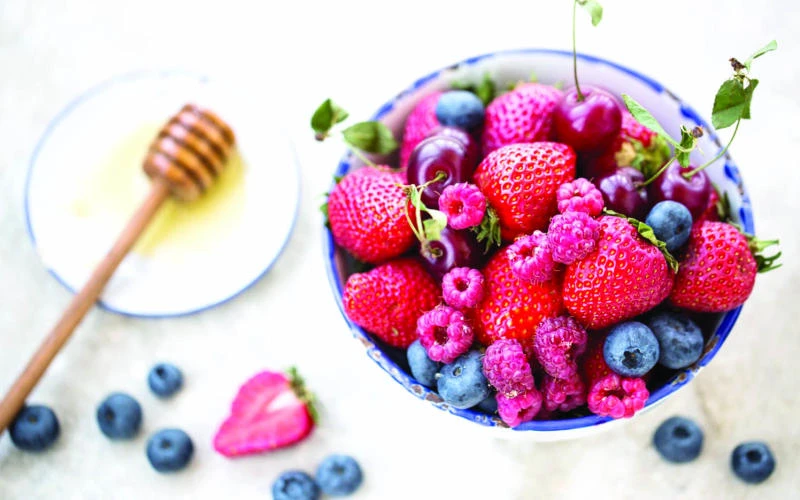
Berries and cherries: Apart from being tasty, berries contain particularly powerful antioxidants, so they can stop the naturally occurring process in the body that creates free radicals that can damage your cells. Compounds in berries may also help keep cancers from growing or spreading, giving berry picking much added value! Meanwhile, cherries are rich in dietary fiber, vitamin C and antioxidants. They could help control your estrogen levels. And estrogen is a fuel for many cancers.
Red grapes: The skin of red grapes is a particularly rich source of an antioxidant called resveratrol. It can also be found in grape juice. According to the American National Cancer Institute, resveratrol may be useful in keeping cancer from beginning or spreading.
Tip: Go for garlic:
There’s a lot of garlic in the Arabic cuisine. The good news is several large studies have found that garlic eaters are less likely to develop various kinds of cancer, especially in the digestive organs.
Go easy on:
Red meat:
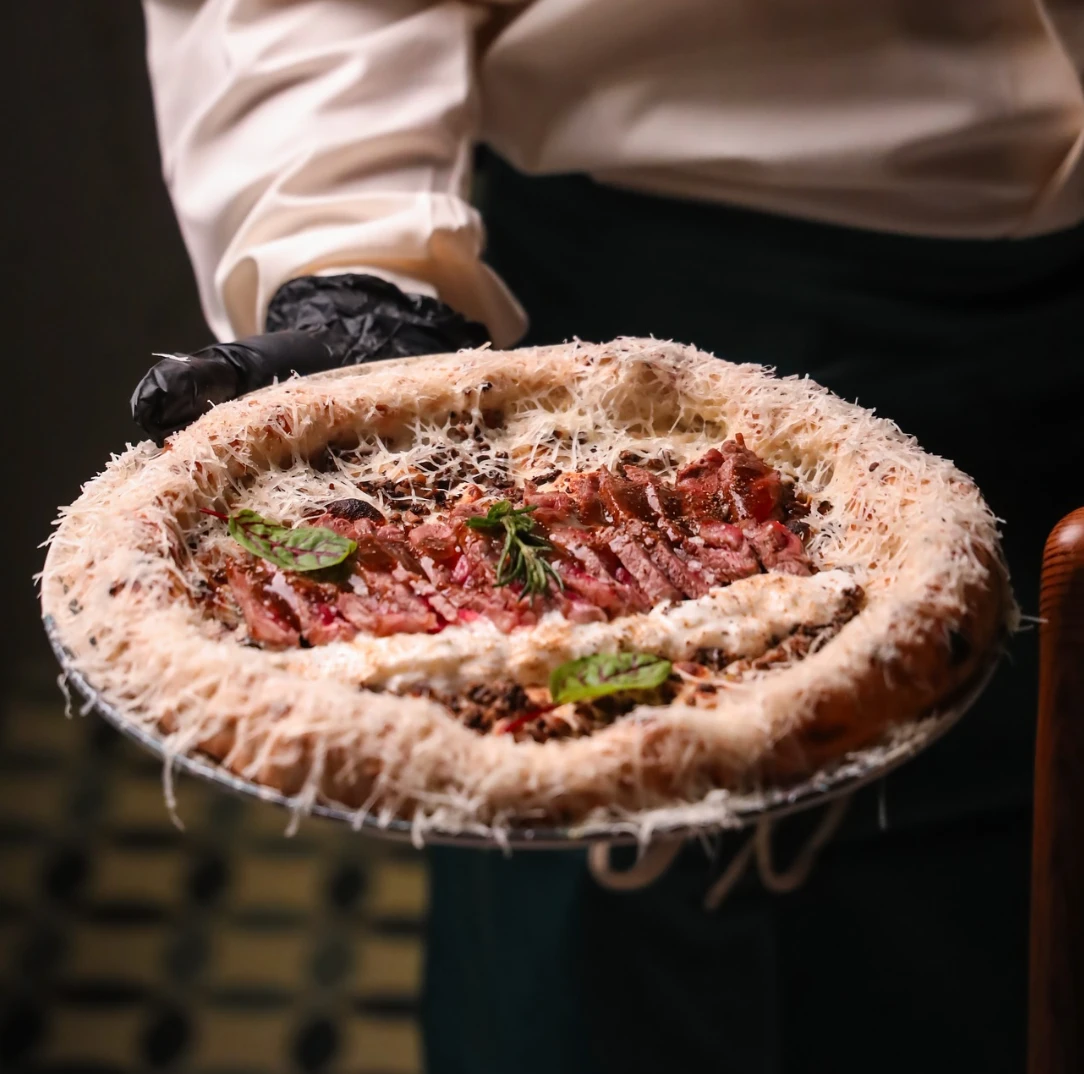
Grilling is especially bad as it creates compounds called heterocyclic amines (HCA), which initiate cancers. Red meat also has amino acids that stimulate insulin production and increase oxidation in the body, both of which encourage cancer risk. While you don’t have to become vegetarian, it’s good to set a limit.
Grapefruit:
This fruit may raise estrogen levels, which is associated with an increased breast cancer risk. In a study from the “British Journal of Cancer” women who ate a quarter of a grapefruit or more a day had a 30 percent increased risk of breast cancer.
Vegetable oils:
Such as soybean, safflower, sunflower and corn are high in polyunsaturated fats, which increase cancer-promoting oxidation in the body. Unfortunately, this includes avoiding foods that contain these oils such as mayonnaise, margarine and peanut butter. When you’re at a supermarket, aim for the aisle with extra virgin olive oil or canola oil instead.
Sweet:
A diet with lots of refined carbohydrates like those found in sweets is associated with higher levels of blood glucose. The released insulin encourages cancer cells to grow and could result in higher levels of estrogen, which may promote the development of breast cancer.
— [email protected]
Know your breast cancer-blocking diet