- Exit polls in Israel’s election suggest no clear winner.
- Opponents appear to have a parliamentary majority but coalition talks are complex.
- Netanyahu dismisses partnerships with Arab parties as treasonous.
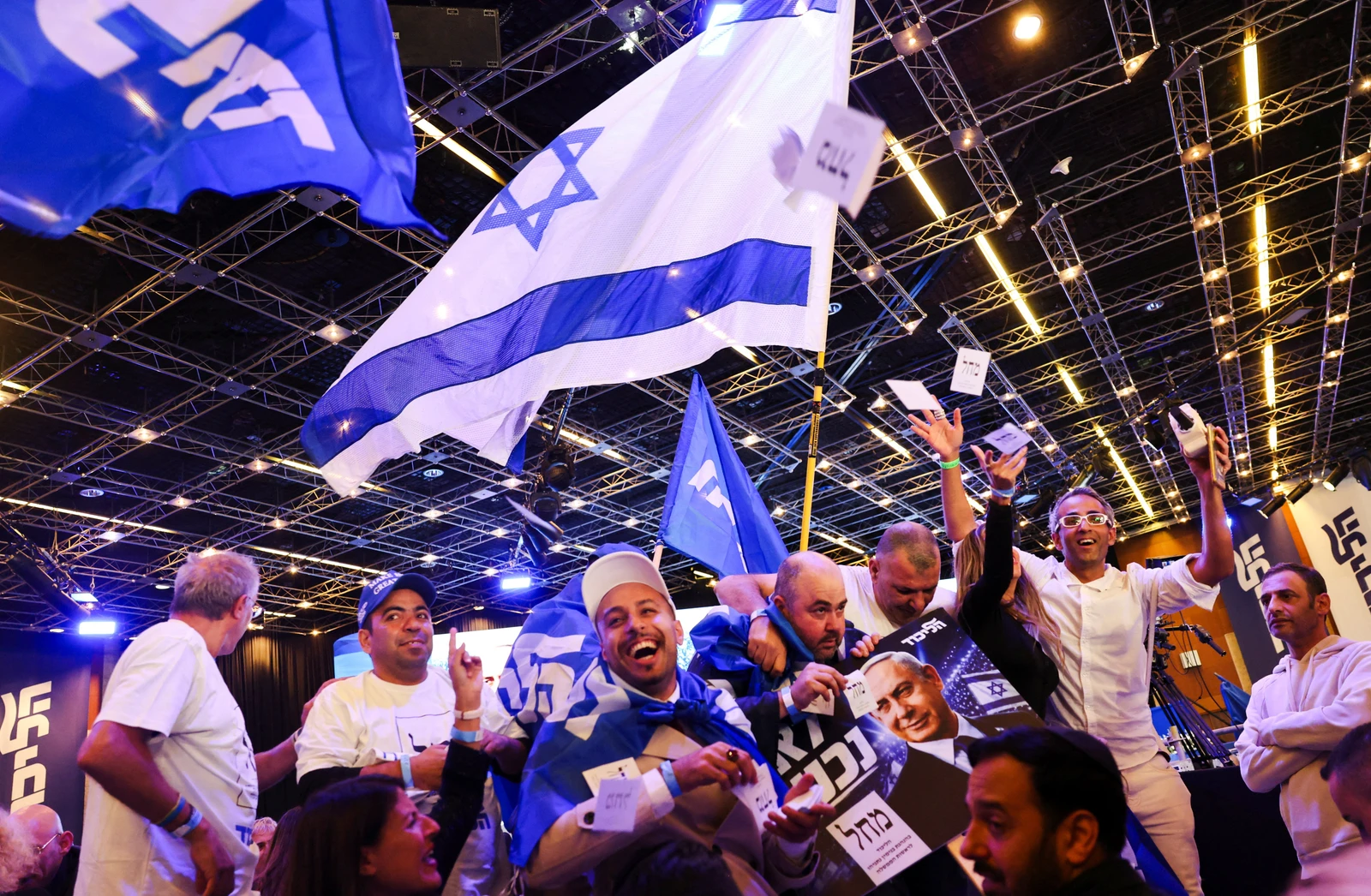
JERUSALEM: The camp of Prime Minister Benjamin Netanyahu was ahead of his rival’s opposition bloc but still short of a majority, with 60 percent of votes counted in Israel’s pivotal general election.
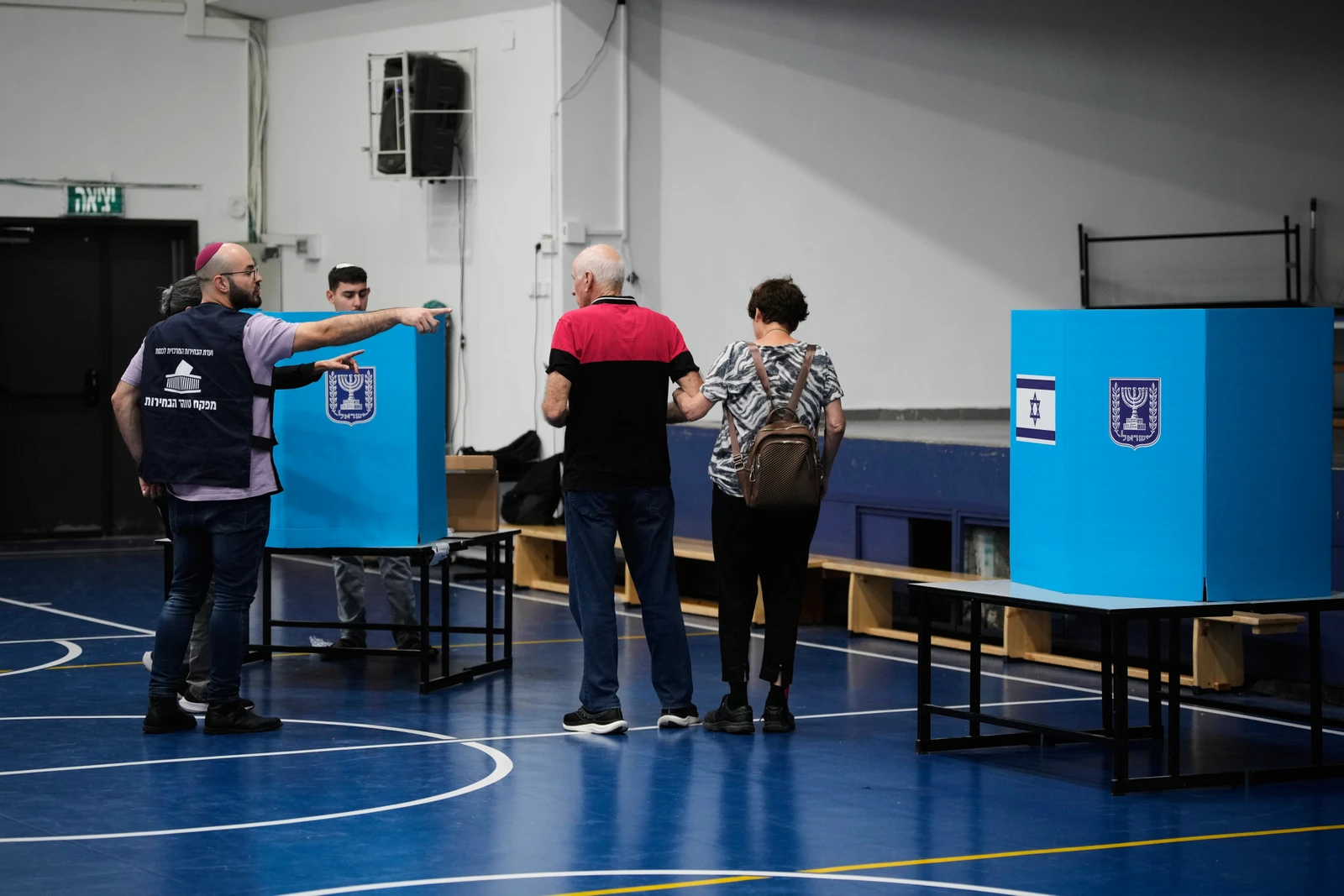
Anxious Israelis watched on Wednesday as election results took shape, showing a rebuke to Netanyahu’s far-right government, with the highest voter turnout in over a quarter-century. Exit polls suggested there was no clear winner, and weeks of negotiating could lie ahead. Netanyahu’s Likud party held 21.4 percent of the vote share, while his main rival, centrist former military chief Gadi Eisenkot’s Yashar party, had 16.2 percent.
Netanyahu’s bloc appeared to have 55 of the 120 seats in parliament, while Eisenkot’s opposition bloc had 49 seats and the Arab parties 16. This configuration suggests potential for a coalition with Arab-led parties, although such alliances are contentious. Eisenkot has expressed conditional openness to working with these parties, focusing on their recognition of Israel as a Jewish state, a position that is politically sensitive in Israel.
Arab-led parties made a historic showing, yet it is uncertain if they will join forces with opponents of Netanyahu. The possibility of new elections remains as political negotiations unfold.
On Wednesday morning, Netanyahu called for a “strong, right-wing, nationalist government,” reiterating his refusal to work with Arab parties, which he described as “anti-Zionist.” Meanwhile, Eisenkot pledged in a speech to usher in “a new era — an era of hope,” signaling a willingness to explore all coalition options.
Itamar Ben-Gvir, a far-right national security minister, was noted as a significant loser in this election, representing the extreme fringes of Netanyahu’s current government.
With final results pending, Israel braces for a period of political uncertainty. If no government majority is formed, early 2027 could see another round of elections. Previous multiple election cycles underscore the nation’s electoral volatility, with five elections between April 2019 and November 2022.
Final results, including absentee ballots from military and diplomatic personnel, will be key, and are expected in the coming days. The present situation has Israelis reflecting on Netanyahu’s enduring yet polarizing leadership, which has led to worldwide scrutiny and domestic debate amid his ongoing corruption trial and concerns over judicial independence.