GENEVA: The Israeli Army’s decision to block Palestinians from entering Israel following a deadly attack in Tel Aviv may amount to collective punishment, the UN said Friday, criticizing the move.
After Palestinian gunmen shot dead four people in the coastal city, the Israeli army said crossings to Israel from the West Bank and the Gaza Strip would be closed in all but “medical and humanitarian cases.”
UN rights chief Zeid Ra’ad Al Hussein condemned the attack but was also “deeply concerned” by Israel’s response, his office said in a statement.
The Jewish state’s reaction “includes measures that may amount to prohibited collective punishment and will only increase the sense of injustice and frustration felt by Palestinians in this very tense time,” the statement said.
The Israeli army said Friday that it was temporarily barring all Palestinians from entering Israel, stepping up already tough restrictions.
“In accordance with government directives and the ongoing situation assessment, as of today crossing from the Gaza Strip and the West Bank will be open to Palestinians only in medical and humanitarian cases,” a spokeswoman told AFP. She said that the closure would remain in force until midnight Sunday.
Prime Minister Benjamin Netanyahu convened his security cabinet on Thursday and announced a slew of punitive and deterrent measures against Palestinians in the wake of the shooting.
Among the measures, the government said it was revoking entry permits for more than 80,000 Palestinians during Ramadan, a move likely to further stoke tensions.
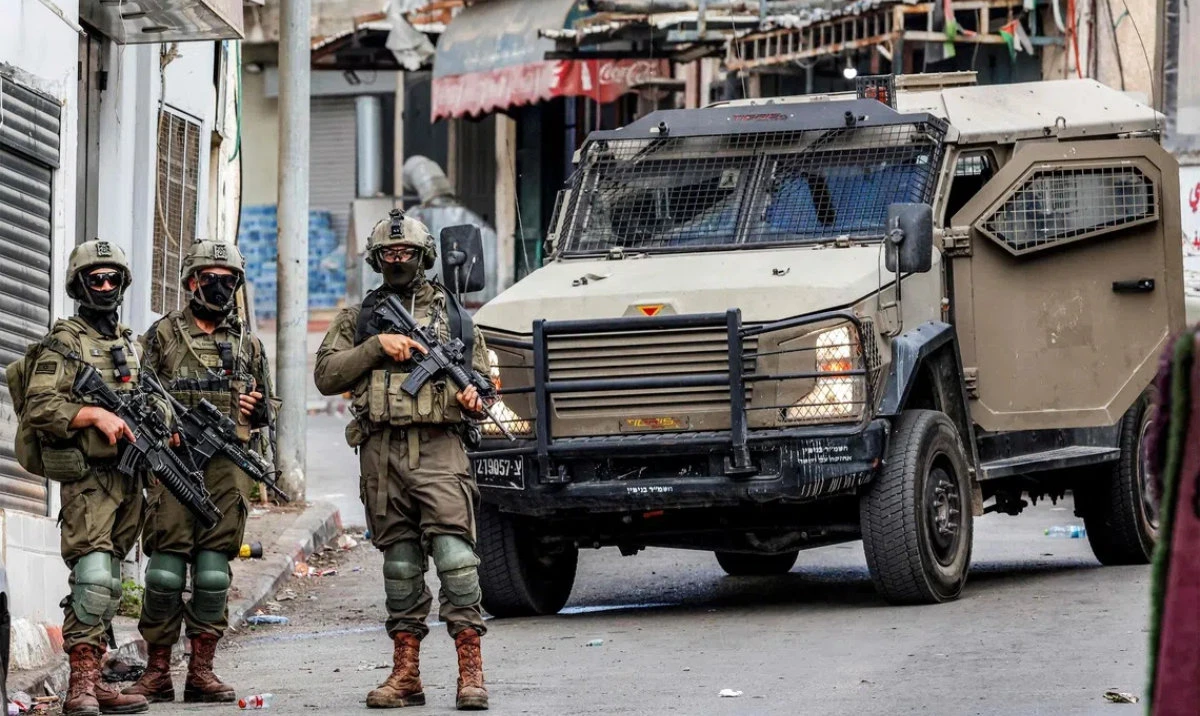
It said it was also sending two additional battalions — hundreds more troops — into the occupied West Bank.
Newly installed Defense Minister Avigdor Lieberman ordered that the bodies of Palestinians killed while carrying out attacks no longer be returned to their families for burial, a spokesman said.
Israel has also revoked work permits for 204 of the attackers’ relatives and the army blockaded their West Bank hometown of Yatta.
After Palestinian gunmen shot dead four people in the coastal city, the Israeli army said crossings to Israel from the West Bank and the Gaza Strip would be closed in all but “medical and humanitarian cases.”
UN rights chief Zeid Ra’ad Al Hussein condemned the attack but was also “deeply concerned” by Israel’s response, his office said in a statement.
The Jewish state’s reaction “includes measures that may amount to prohibited collective punishment and will only increase the sense of injustice and frustration felt by Palestinians in this very tense time,” the statement said.
The Israeli army said Friday that it was temporarily barring all Palestinians from entering Israel, stepping up already tough restrictions.
“In accordance with government directives and the ongoing situation assessment, as of today crossing from the Gaza Strip and the West Bank will be open to Palestinians only in medical and humanitarian cases,” a spokeswoman told AFP. She said that the closure would remain in force until midnight Sunday.
Prime Minister Benjamin Netanyahu convened his security cabinet on Thursday and announced a slew of punitive and deterrent measures against Palestinians in the wake of the shooting.
Among the measures, the government said it was revoking entry permits for more than 80,000 Palestinians during Ramadan, a move likely to further stoke tensions.
It said it was also sending two additional battalions — hundreds more troops — into the occupied West Bank.
Newly installed Defense Minister Avigdor Lieberman ordered that the bodies of Palestinians killed while carrying out attacks no longer be returned to their families for burial, a spokesman said.
Israel has also revoked work permits for 204 of the attackers’ relatives and the army blockaded their West Bank hometown of Yatta.