

When we face nature’s wrath, whether through earthquakes, wildfires, hurricanes or any other natural disaster, there is instantaneous solidarity among countries. Such solidarity and humanitarian support sometimes appear even between the worst of enemies. It might not last long in the face of geopolitical tensions, but it is proof that something deeper unites us. Today, Iran is facing a historic threat. It is not a military threat, but a lack of water and rainfall.
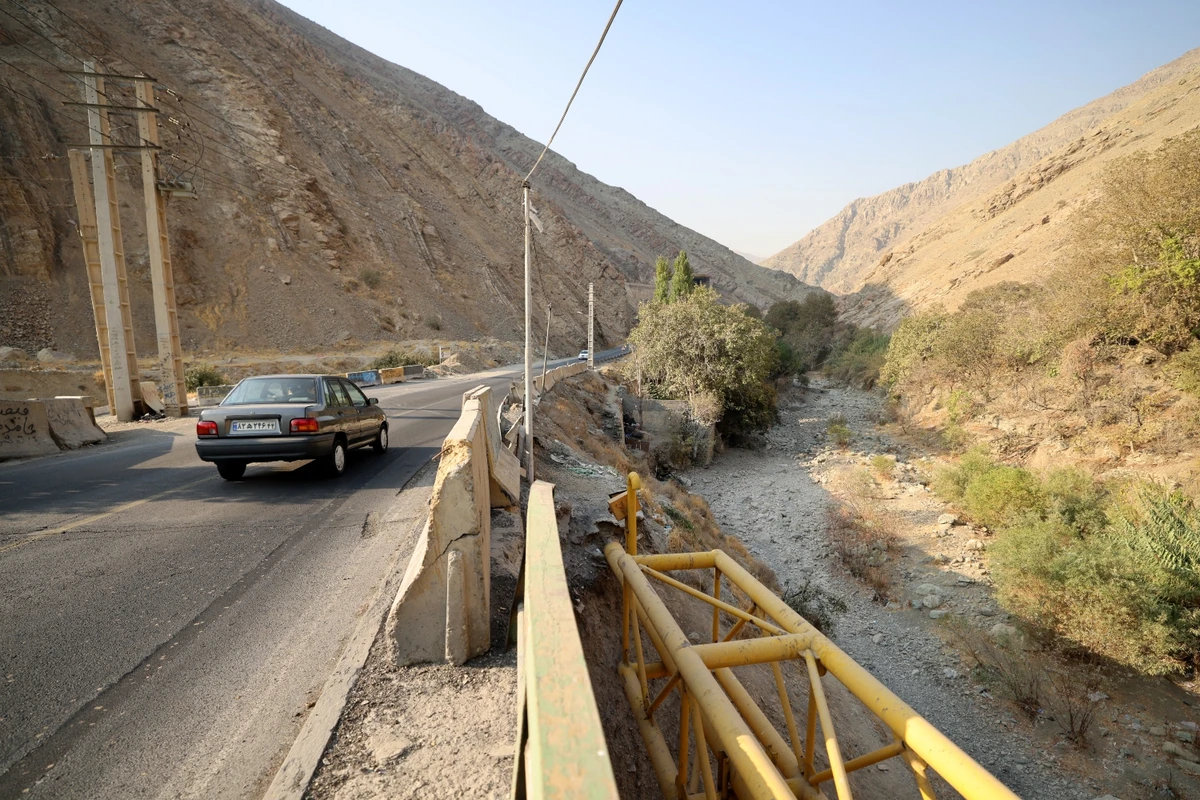
Iran is living through its worst drought in more than 60 years. Media reports indicate that major reservoirs are close to being empty; moreover, groundwater reserves are nearly depleted. This is leaving entire cities in a dire situation, forcing local authorities to cut water intermittently and to start considering evacuations. It is very clear that this crisis goes beyond major harm to Iranian public health and pushes toward broader regional stability.
Water and other resources create both risks and opportunities. If analysts consider that rare earth elements can cause geopolitical tensions and even war, then water scarcity will be worse. The tensions caused by dam construction across the globe due to their impact on transnational water flows are a clear signal of the important geopolitical risk and even the possibility of escalation to military confrontation. In the past decade, a few examples highlight this: Ethiopia, Egypt and Sudan with the Grand Ethiopian Renaissance Dam, India and Pakistan with the Kishanganga and Baglihar dams, Turkiye, Iraq and Syria with the Southeastern Anatolia Project on the Tigris and Euphrates, and even China and India due to the former’s dam on the Brahmaputra River.
Entire cities are in a dire situation, forcing authorities to cut water intermittently and start considering evacuations
Khaled Abou Zahr
I believe there is another way. If we were to consider these situations as we consider any other natural disaster and, instead of letting the situation worsen, a regional solution was developed, this would change everything. Looking for common solutions can bring positive transformation.
Such common projects could link the interests of entire regions and also push to enhance political relations. We can take as an example the European Coal and Steel Community, which, instead of pursuing a cycle of never-ending wars for regions with mines, created the stepping stone toward today’s EU. This would go beyond existing commissions that work to maintain water quality and usage in order to avoid escalations.
There is a need to go further and create long-term solutions through regional projects. These projects, by looking for solutions, would develop real collaboration between neighboring countries. This could have several levels. Obviously, all these projects demand heavy infrastructure projects that would solicit governments’ support. This would then allow private companies from various countries to develop partnerships and support the government plans.
These consortiums would not only support ways to solve a life-threatening risk but also create new jobs and strengthen regional infrastructure. It should not stop there — there should also be an invitation for entrepreneurs from all the affected countries to develop innovative solutions. Here, too, collaboration across borders would be favored.
Iran has started cloud seeding in an effort to induce rain and try to solve its water issues. And as it tries to change the clouds in the sky, it should also look into dissipating the clouds of its foreign policy by transforming its approach. There is no doubt that a greater integration of Iran within the regional economy would be a net boost for all its economies and their transformation. But this will not be possible without a complete change in Tehran’s foreign policy, starting with bringing an end to any support for nonstate armed groups, such as in Lebanon or Iraq. It should think of its people and the future generations in the entire Middle East.
When it comes to water, the Gulf countries are best positioned to help Iran find a long-term solution
Khaled Abou Zahr
It is about building the region across ethnicities, religion and even political ideology. Despite current criticism, the EU is a clear example of this positive construction. The old continent has only experienced real peace following the horrors of the two world wars (and the preceding centuries of conflict) by creating common projects. Another example is the European Network of Transmission System Operators for Electricity, which oversees electricity transmission across 39 countries, ensuring grid stability, market integration and cross-border energy flows. A similar body could bring stability to the Middle East. The Gulf Cooperation Council Interconnection Grid is something that could be built upon and broadened.
When it comes to water, the Gulf countries are best positioned to help Iran find a long-term solution. They dominate the world in terms of seawater desalination capacity and, with the potential of solar power, can help transform the entire regional dynamic.
There is a historic opportunity for change. Regional powers today have greater agency than at any time in the past 60 years. The GCC has also undergone a complete shift and disengagement from tit-for-tat geopolitical tensions to prioritize its own development and the well-being of its citizens. This is symbolized by the Public Investment Fund’s investment strategy. In 2023, some 20 percent of PIF’s portfolio was invested internationally and about 76 percent domestically in Saudi Arabia. However, media reports indicate an even greater focus on domestic investments, with international holdings declining to 17 percent by the end of 2024. This is a real game-changer.
Iran’s leaders should and must seize this historic opportunity for a reset. They do not need Hezbollah or any other such groups; they need the friendship of all their neighbors in the Middle East in order to build the well-being of their people and bring peace and stability to the entire region.
- Khaled Abou Zahr is the founder of SpaceQuest Ventures, a space-focused investment platform. He is CEO of EurabiaMedia and editor of Al-Watan Al-Arabi.


