- Agreement follows 18 months of negotiations over future of Russian facilities at Hmeimim, Tartous
- It would preserve Russia’s access to strategic Syrian sites while placing them under a new framework led by Damascus, analysts say
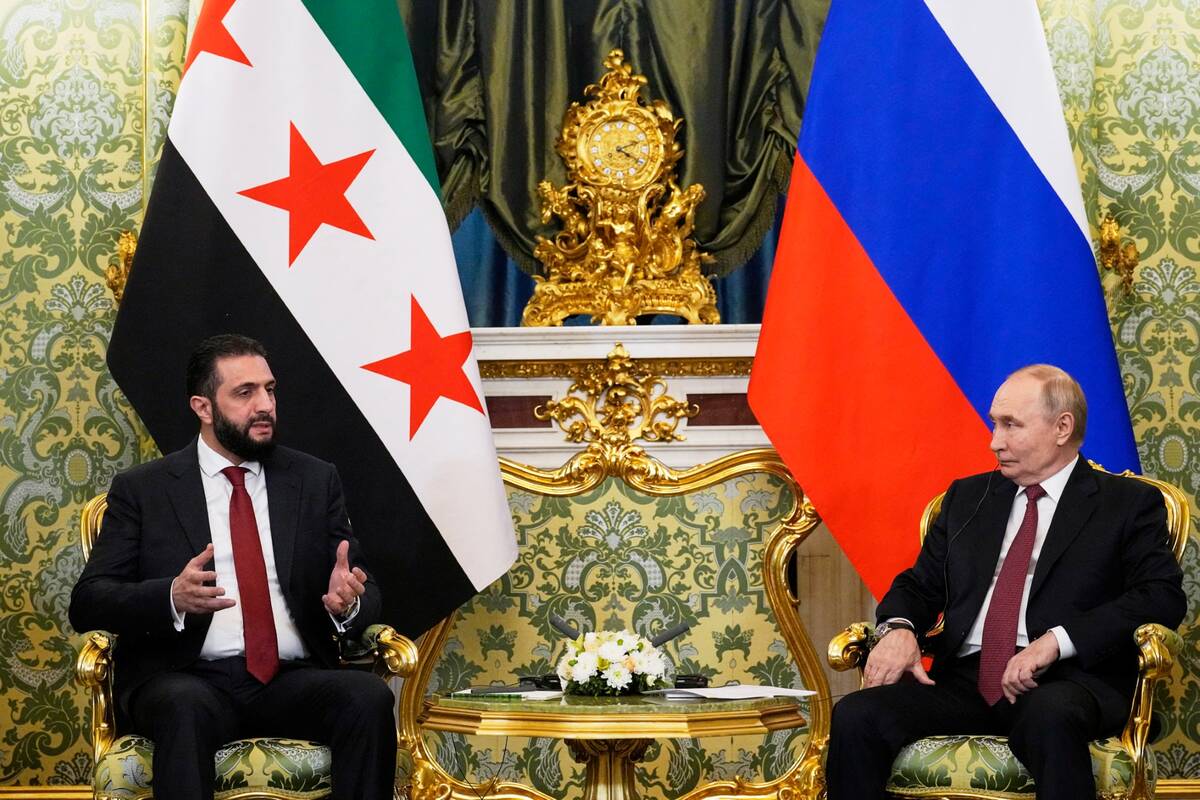
LONDON: Syria and Russia signed a memorandum of understanding on Sunday that will transfer key civilian facilities on the Syrian coast to Damascus and convert Russian military sites into joint training centers, Syrian officials said.
The agreement, announced by the Syrian Arab Republic’s Foreign Ministry and reported by the Syrian Arab News Agency, follows about 18 months of negotiations over the future of Russian facilities at Hmeimim and Tartous.
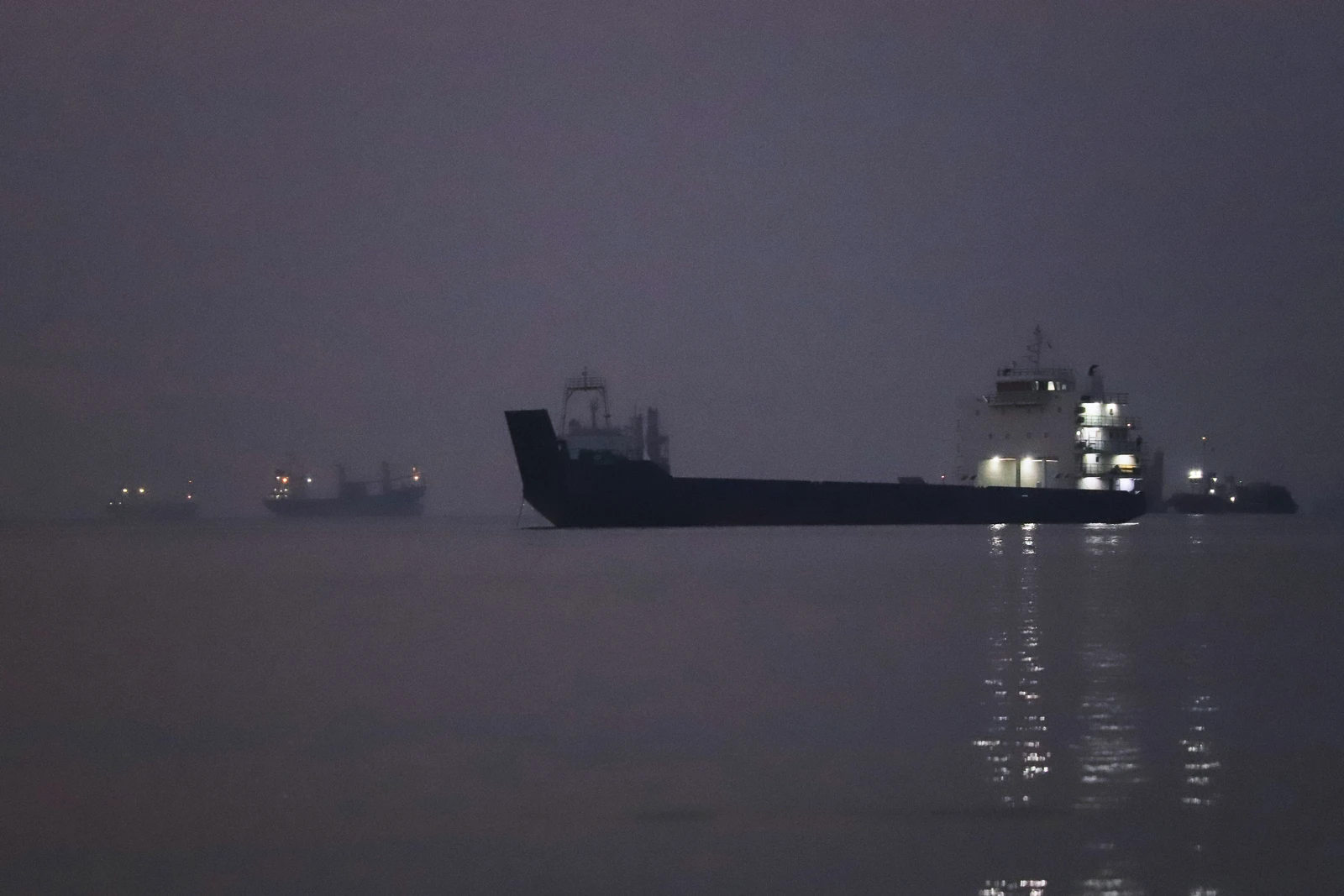
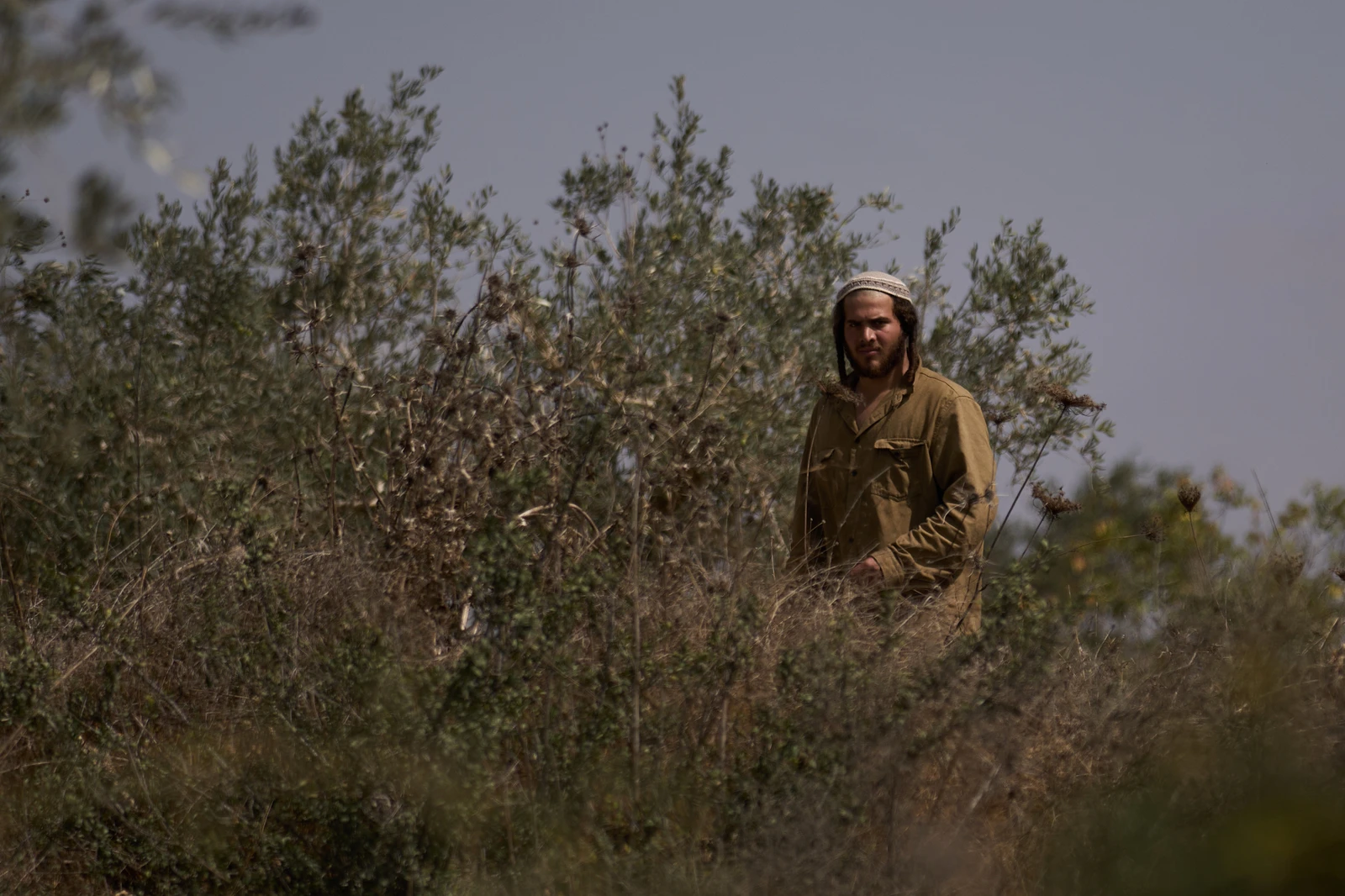
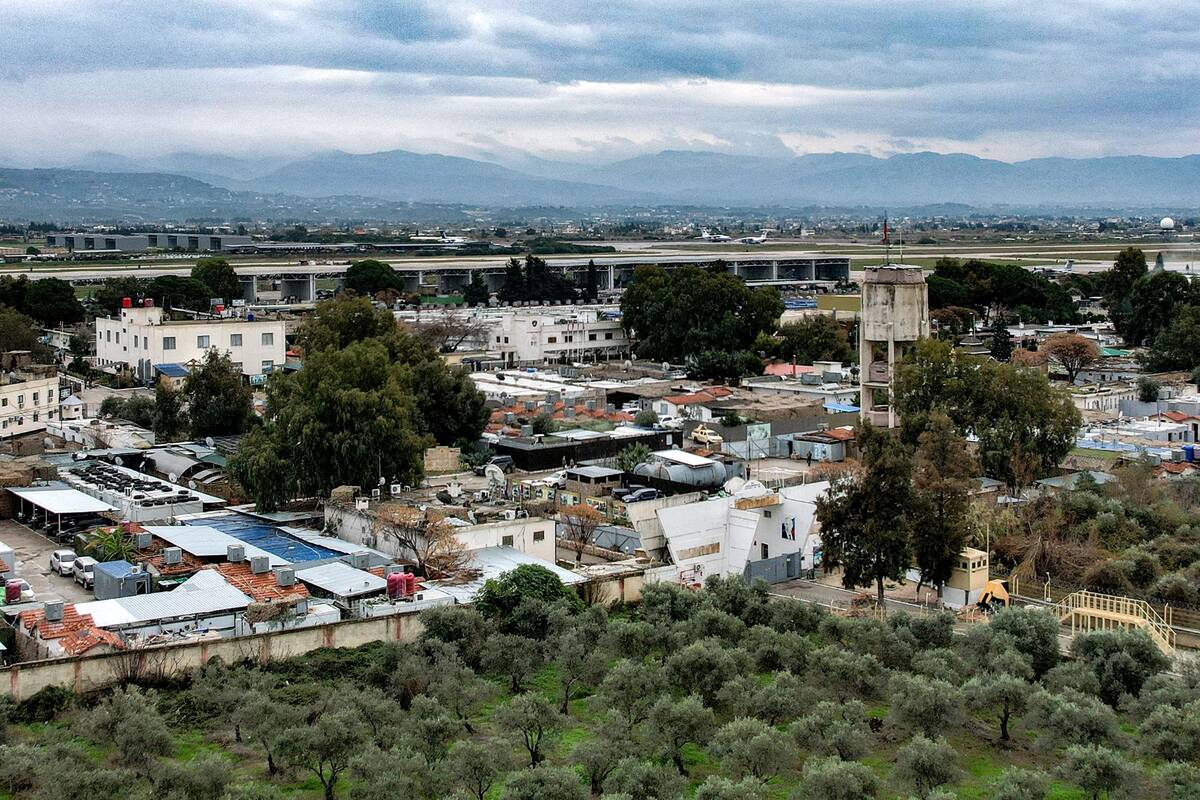
Syria will assume control of sites designated for civilian use, including Hmeimim Airport and the fourth commercial berth at Tartous port. The facilities will be gradually folded into Syria’s civilian administration, the ministry said.
Russian military sites will be repurposed as joint training and qualification centers under arrangements intended to protect the interests of both countries. The transition is to be completed within three months, after which the new framework will take effect.
The Foreign Ministry described the memorandum as the biggest breakthrough since talks began, saying it opened a new chapter in Syrian-Russian relations.
Analysts said the deal could alter the balance of power between Damascus and Moscow by giving Syria’s transitional government greater influence over the terms of Russia’s continued presence in the country.
“The memorandum’s significance is what it reveals about leverage, since a transitional government has renegotiated the terms of a great power’s presence and secured, at least on paper, its demotion,” said Nanar Hawach, senior Syria analyst at the International Crisis Group.
“Moscow’s readiness to trade privileges for presence suggests access itself has become Russia’s core objective in Syria, and that would give Damascus room on every file the two sides touch next,” Hawach told Arab News.
Resolving the status of the bases could also make the relationship “calmer and more predictable” by removing its most sensitive dispute, he said.
“With the bases settled, at least on paper, Damascus and Moscow can handle disagreements over oil or debt file by file, where before the bases question hung over everything,” Hawach said.
Joshua Landis, director of the Center for Middle East Studies at the University of Oklahoma, called the agreement an “elegant solution to the outstanding irritant of Russia’s two bases in Syria.”
The facilities “invoke the painful legacy of the civil war and Assad regime, as well as Syria’s fragmented sovereignty,” Landis told Arab News.
By placing them under civilian administration and using them as training centers rather than bases for exclusive Russian military use, he said, Damascus can maintain ties with Moscow while signaling to Western governments that it is no longer firmly in Russia’s orbit.
“Damascus no longer recognizes Russia’s special relationship and extraterritorial sovereignty in Syria,” Landis said.
At the same time, he said, maintaining a role for Russian trainers and military suppliers gives Damascus flexibility in its dealings with Western powers.
“If Western powers are unwilling to help Syria rebuild its military or pressure Israel to leave the Syrian territory it has newly captured, President (Ahmad) Al-Sharaa can reopen to possibility of a larger Russian role in training and suppling the Syrian military,” Landis said.
“The MoU reduces Russia’s privileges at the same time as it gives President Al-Sharaa leverage against future Western foot-dragging,” he added.
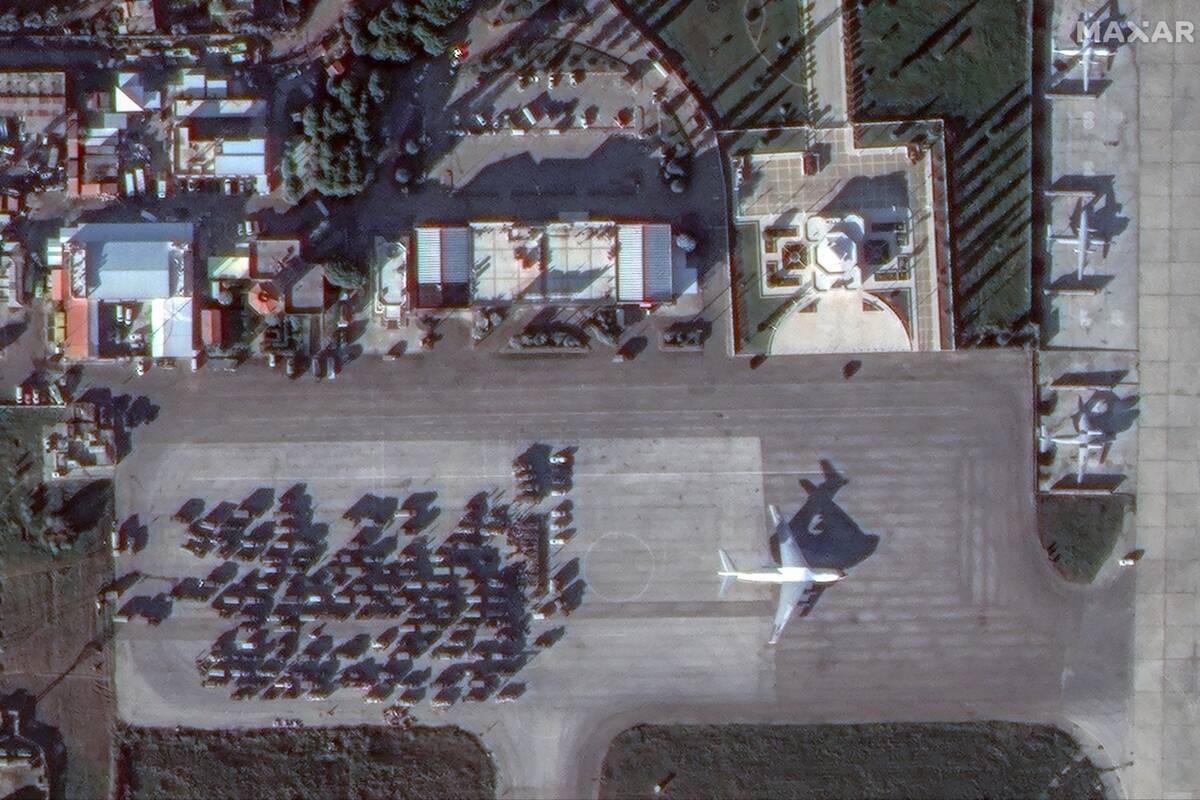
Russia’s presence in Syria has long centered on two strategic Mediterranean facilities: the naval installation at Tartous and Hmeimim air base in Latakia Province.
Moscow backed now-deposed President Bashar Assad throughout Syria’s civil war, which started in 2011, and intervened directly in 2015, using its bases to support his forces and project regional power.
Tartous has provided Russia with repair and resupply capacity in the Mediterranean, while Hmeimim has served as an air and logistics hub.
Samy Akil, a senior adviser at The Syria Report, called the agreement a “major victory” for the Syrian government but cautioned that its implementation is not guaranteed.
“It remains to be seen whether the transfer will be completed within three months,” Akil told Arab News. “Agreements of this kind often encounter hiccups along the way.”
He added that Damascus is likely to maintain and develop its relationship with Moscow even as it seeks closer ties with Western countries.
“Syria wants to maintain an open foreign-policy approach with all sides,” he said. “It knows it is pivoting toward the West, but there is no guarantee that its relationship with the West will remain as strong in one, two or three years as it is now.
“It therefore wants to diversify and preserve its relationship with Russia.”
Moscow remains a permanent UN Security Council member and an important military partner, while Syria’s armed forces continue to depend heavily on Russian equipment and weapons, Akil said.
“Ultimately, Russia is also a negotiating card or bargaining chip that Syria wants to retain to counter potential American influence in the future,” he added.
Akil said the agreement benefits both sides.
“Syria can frame it as a diplomatic and legitimacy victory that reinforces its sovereignty and, on paper, converts what it sees as a former occupier’s infrastructure in Syria into civilian-led or Syrian-controlled assets,” he said.
“For Russia, it retains access, albeit at a lower political cost, and maintains a foothold in Syria rather than losing it entirely.”
“Fundamentally, the agreement regulates Russia’s presence in Syria rather than ending it,” he added.
Russia’s military presence has shrunk sharply since Assad’s ouster in late 2024, though Moscow retained access to both sites during talks with Syria’s new leadership. The International Crisis Group estimates Russia now has several hundred to 1,000 personnel in Syria, down from tens of thousands during the civil war.