
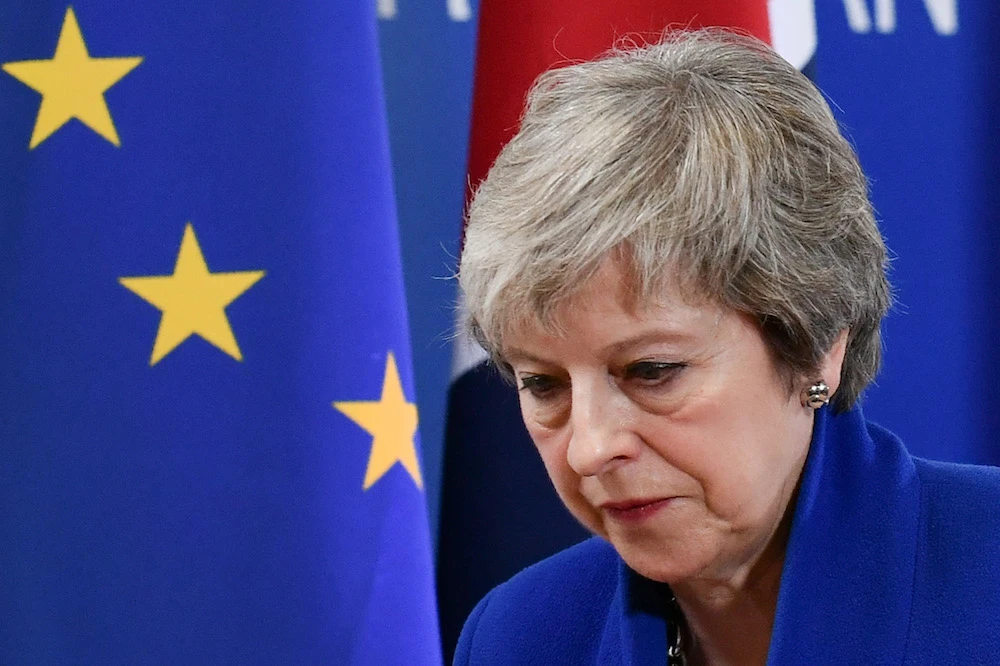

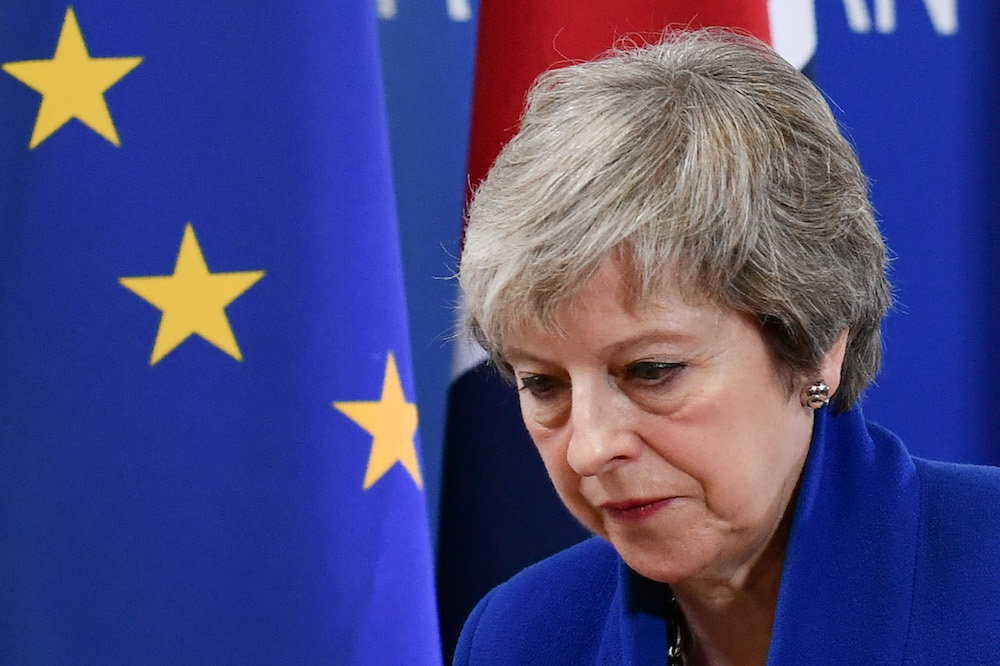
British Prime Minister Theresa May has been trying to uphold the result of a referendum that in retrospect has clearly misled the British people and painted a rosy picture of the UK’s exit from the EU. A people’s vote on the withdrawal deal could reveal more of the British public opting for stability and continuity over uncertainty and potential economic hardship if we were to leave the EU with a bad deal or none at all.
Britain has sat at the helm of a strong 28-country union whose voice is heard worldwide. Is the UK ready to reduce its global influence by leaving the EU? May has said she has delivered what the people voted for, but at what price? At the price of erecting a material, electronic or virtual border with Northern Ireland?
The UK will keep the customs union and monetary cooperation with the EU at least in the transitional period, but is it capable of signing and joining other economic agreements that could undermine the bloc?
Take the thorny issue of free movement: Will the European workforce have access to low-paid jobs in the UK, and what immigration law will apply to those likely to be needed in the British job market? How about the problems of Gibraltar and Northern Ireland, as well as Scottish aspirations for independence?
The UK has insisted on a series of opt-outs of the main EU agreements, such as staying out of the Schengen open-borders area. Britain has kept a special status within the Economic and Monetary Union, and has retained control over its own economic and monetary policy. Regarding justice and home affairs, the UK could choose whether to participate in EU measures through several protocols agreed with the bloc. The direct costs of Brexit will have huge repercussions for the UK’s economy, society and international standing.
The direct costs of Brexit will have huge repercussions for the UK’s economy, society and international standing.
Mohamed Chebaro
If the draft withdrawal deal is agreed in Parliament — a big if — and the joint declaration is agreed, then the final negotiations process would be triggered by March 29, 2019. This would pave the way for two years of negotiations that could be extended if solutions, workable agreements and mutual understandings between the EU and UK are not found. The contents of the withdrawal agreement and the joint declaration do not indicate a strong start. UK Labour leader Jeremy Corbyn aptly described the declaration’s content as “waffle.”
The above, as well as the resignation of May’s predecessor David Cameron immediately after the referendum result, and Cabinet resignations (including two Brexit secretaries), show that the whole process has been fudged. May is persevering to captain the ship to safety, counting on MPs’ common sense and their fears of no deal, but the Britain that will reach the port in a post-Brexit era might never be able to sail again.
The deal agreed so far seems to leave the UK connected to the EU by a set of rules that the former will have no say in. As such, a second referendum is essential to gauge people’s attitude toward the new realities. Two years after the referendum, many are questioning Brexiteers’ empty promises.
- Mohamed Chebaro is a British-Lebanese journalist with more than 25 years’ experience covering war, terrorism, defense, current affairs and diplomacy. He is also a media consultant and trainer.


