
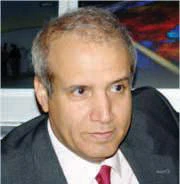

It seems that the Saudi Embassy in Kuwait has had enough of extremist Kuwaiti Member of Parliament Abdul-Hamid Dashti’s incitation and filed a legal complaint against him. Dashti’s supporters protested the move, saying it was tantamount to interference and domination. The difference between countries like Iran and Saudi Arabia is huge when it comes to the manner in which they deal with foreign disagreements.
Iran responded to its critics in Beirut by kidnapping them straight from their homes. Hezbollah militias who support Iran have also taken it upon themselves to silence those protesting against Tehran. For example, they killed a Lebanese man protesting in front of the Iranian embassy in broad daylight. Therefore, the Saudi embassy’s act of resorting to the judiciary is legal action aimed at addressing the continuous threats posed by the Dashti. He accuses Saudi Arabia of being a threat to Kuwait’s security and of supporting terrorist groups.
Whether the Kuwaiti assembly revokes Dashti’s immunity and whether it puts him on trial and convicts him or not is another matter. Committing to state laws instead of murders and abduction is an honorable path in a region where some people and governments resort to arms.
Dashti stands accused of resorting to political and sectarian incitation. Maybe he does so for the sake of making electoral gains in Kuwait, where, unfortunately, tribal and sectarian blocs have dominated the scene over the past decade as competition among candidates was based on nationalism, reform, the constitution and services.
Due to fear of destabilization, patience and tolerance no longer reign — two characteristics which distinguished Kuwait and which the state was famous for. The state no longer accepts sharp criticism and defamation and it also rejects any protests, which harm its pillars, including its royal family. In brief, the situation in Kuwait reflects the situation in the region; it’s very tense. Kuwait is a stone’s throw away from Iraq, a country faced with disturbances related to sectarianism and where wars are being fought on a daily basis. Terrorist groups sought to use Kuwait due to its media freedom in order to market organizations like the Islamic State (IS), collect funds and recruit youths. So much so that the US government had to threaten it would pursue any Kuwaiti parties working toward that end. All countries play host to such tensions, spurred by rhetoric, and such practices, which have nothing to do with democracy, especially in Kuwait, which enjoys a decent degree of free expression. Due to this poisonous atmosphere, we must all stand against those who are trying to divide society and push it toward in-fighting. The wounds and battles sparked by sectarianism and the ensuing divisions are enough for our region.
The actions taken by some opportunist parliamentarians and media figures, such as sectarian and tribal incitation, which threaten Kuwaiti society, harms neighboring countries like Bahrain, Saudi Arabia and Oman. If the sectarian controversy resumes, Kuwait will soon find itself forced to restrain or cancel parliamentarian affairs. At times of war and strife, the politicians and intellectuals bear a large responsibility and they must at least not add fuel to fire simply to make electoral gains or in pursuit of media attention.


