

Bigots' vile, vitriolic and vacuous online comments that south Indian actor-politician Ramya has been showered with for saying Pakistan is not hell — as declared by Narendra Modi’s motormouth Defense Minister Manohar Parrikar — have again reinforced the popular belief that the country’s sordid slide into a bottomless pit of intolerance is unstoppable.
Accused of “sedition” for stressing her hosts’ hospitality, Ramya has stood tall, refusing to apologize for speaking her mind. She has echoed the views of millions of peace doves on both sides of the border by maintaining that it is important “not to succumb” to the trolls. The selective outrage of the breed of saffron zealots that has surfaced after Hindu nationalists came to power insults intelligence. These blind disciples of hate-mongers think the more abuses they hurl at secularists striving to end animosity, the better.
Unsurprisingly, the prime minister also gave the green light by asking cohorts to continue focusing on “nationalism,” which he said was the saffron party’s “identity.”
What is saffronites’ definition of nationalism? Zero tolerance for secular ideals, nonstop efforts to turn India, by hook or by crook, into a Hindu nation, keeping religious minorities and the low-caste at the receiving end, sabotaging any effort to make peace with Pakistan, ensuring that Muslim representation in the army and civil services remains next to negligible and keeping the influence of Abrahamic religions away from society.
In this atmosphere, the attack on Ramya has only confirmed that the polarized polity is not willing to accommodate moderate voices. Film stars like Aamir Khan and Shahrukh Khan are already licking their wounds after being bashed for highlighting the diminishing trend of co-existence.
Ramya’s crime is she comes from the opposition camp. When stalwarts from the saffron camp committed far more serious such “crimes,” there was not even a whimper of protest from the howlers. Not long ago, Modi, while returning from Afghanistan thought a surprise visit to Premier Nawaz Sharif’s hometown would please the world and fetch him the Nobel Peace Prize. So after enjoying full-blown traditional Pakistani hospitality at Sharif’s Raiwind house and presenting a Kashmiri shawl to Sharif’s mother and blessing his granddaughter on her wedding, Modi tweeted on Dec. 25, 2015: “Am personally touched by Nawaz Sharif Sahab’s gesture of welcoming me at Lahore airport and coming to the airport when I left.”
Where was the outrage of the saffron brigade over such a humongous perfidy?
And if slapping treason charges on Ramya is justifiable, then what is stopping the government from invoking belated sedition charges upon former BJP star Lal Krishna Advani, who eulogized Pakistan’s founder Mohammed Ali Jinnah by hogging the limelight for being the first Indian leader to visit his mausoleum and highlight his virtues, underlining the fact that he created history with the birth of Pakistan. Initially criticized by the duplicitous saffron family, Advani was later rewarded with nomination for prime minister in 2009. If Ramya has offended some Indians, then Atal Behari Vajpayee, former premier, who visited Lahore to make peace with the arch rival, Mufti Sayeed, former chief minister of Jammu & Kashmir who praised Pakistan, and Jaswant Singh, former defense minister, an ardent Jinnah admirer, are other notable leaders deserving brickbats.
Be it hell or heaven, Pakistan, say all those who have visited the country, is no different from India in terms of food habits, social mores, climate, hospitality, values, liberalism and fanaticism. Both have similar problems of price rice, poverty, illiteracy, law and order, crime against women and terrorism.
I visited Karachi in February to attend a wedding and was overwhelmed by the reception of a shower of rose petals as I stepped into the hosts’ house. The surprise began at the airport itself where I found all family member waiting outside to receive me after all my arrival formalities were taken care of by the airport staff on instructions of the airport manager, a relative of mine. They made me feel special and I didn’t see anyone raising eyebrows at the sight of the blue passport with the golden sign of Satyamev Jayate — four Asiatic lions standing back to back symbolizing power, courage, confidence and pride. Every effort was made to ensure my stay in the city of lights was enjoyable.
And guess who was standing behind me at the departure queue when I was returning home? Juhi Chawla. Wearing a broad smile, the Bollywood actress was being photographed and greeted by strangers. Some of them took her autograph and she was quite at home after visiting her uncle, Satish Anand, owner of Pakistan’s oldest film and TV production and distribution company. Legendary Dilip Kumar and Raj Kapoor come from Peshawar and Advani was born in Karachi.
Parrikar and all other hawks in the government might have to revisit their “Pakistan is hell” stance if they take a hard look at how India is becoming a living hell for some citizens.
A tribal man in Kalahandi, Orissa, carried his wife’s body on his shoulders for nearly 12 km as he had no money for a hearse van and the district hospital authorities refused to arrange one. To quote Indian Express, the teenage daughter sobbing by his side, Dana Majhi wrapped his wife Amangadei’s body in old sheets from the bed at the hospital in Bhawanipatna town, adjusted her on his shoulders and started walking to his home, about 60 km away.
A saffronized India might be becoming unlivable for families of those who have been killed on suspicion of eating beef and for the cattle transporters beaten black and blue, often made to consume the dung as punishment by self- styled protectors of the cow. For thousands of women who have been gang-raped with their tormentors going scot-free, India may be insufferable.
Calling a nation “hell” is undignified, unstatesmanlike and uncouth. A nation cannot be bullied into submission by a neighbor itself mired in a plethora of problems.
The first step toward solving a problem is the recognition of the problem. Ramya’s utterance should be seen as a step in the positive direction. There is no alternative to peace. Neither India, nor Pakistan, birthplace of Guru Nanak, is hell … or heaven.
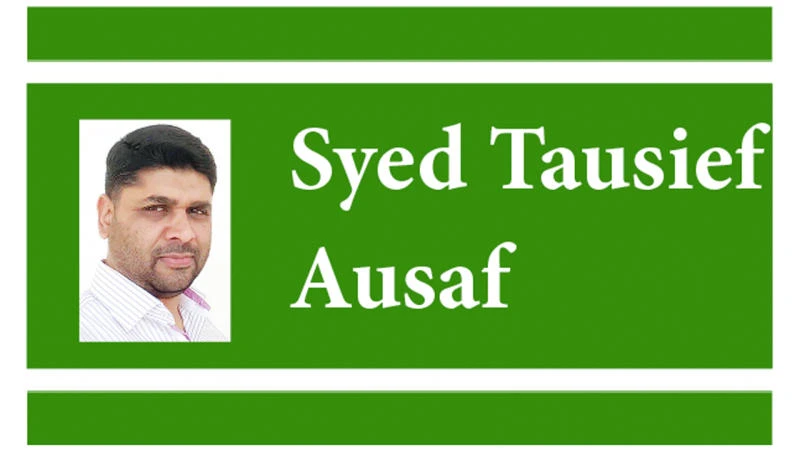
— The writer, an editor with Arab News, can be reached at [email protected]
Accused of “sedition” for stressing her hosts’ hospitality, Ramya has stood tall, refusing to apologize for speaking her mind. She has echoed the views of millions of peace doves on both sides of the border by maintaining that it is important “not to succumb” to the trolls. The selective outrage of the breed of saffron zealots that has surfaced after Hindu nationalists came to power insults intelligence. These blind disciples of hate-mongers think the more abuses they hurl at secularists striving to end animosity, the better.
Unsurprisingly, the prime minister also gave the green light by asking cohorts to continue focusing on “nationalism,” which he said was the saffron party’s “identity.”
What is saffronites’ definition of nationalism? Zero tolerance for secular ideals, nonstop efforts to turn India, by hook or by crook, into a Hindu nation, keeping religious minorities and the low-caste at the receiving end, sabotaging any effort to make peace with Pakistan, ensuring that Muslim representation in the army and civil services remains next to negligible and keeping the influence of Abrahamic religions away from society.
In this atmosphere, the attack on Ramya has only confirmed that the polarized polity is not willing to accommodate moderate voices. Film stars like Aamir Khan and Shahrukh Khan are already licking their wounds after being bashed for highlighting the diminishing trend of co-existence.
Ramya’s crime is she comes from the opposition camp. When stalwarts from the saffron camp committed far more serious such “crimes,” there was not even a whimper of protest from the howlers. Not long ago, Modi, while returning from Afghanistan thought a surprise visit to Premier Nawaz Sharif’s hometown would please the world and fetch him the Nobel Peace Prize. So after enjoying full-blown traditional Pakistani hospitality at Sharif’s Raiwind house and presenting a Kashmiri shawl to Sharif’s mother and blessing his granddaughter on her wedding, Modi tweeted on Dec. 25, 2015: “Am personally touched by Nawaz Sharif Sahab’s gesture of welcoming me at Lahore airport and coming to the airport when I left.”
Where was the outrage of the saffron brigade over such a humongous perfidy?
And if slapping treason charges on Ramya is justifiable, then what is stopping the government from invoking belated sedition charges upon former BJP star Lal Krishna Advani, who eulogized Pakistan’s founder Mohammed Ali Jinnah by hogging the limelight for being the first Indian leader to visit his mausoleum and highlight his virtues, underlining the fact that he created history with the birth of Pakistan. Initially criticized by the duplicitous saffron family, Advani was later rewarded with nomination for prime minister in 2009. If Ramya has offended some Indians, then Atal Behari Vajpayee, former premier, who visited Lahore to make peace with the arch rival, Mufti Sayeed, former chief minister of Jammu & Kashmir who praised Pakistan, and Jaswant Singh, former defense minister, an ardent Jinnah admirer, are other notable leaders deserving brickbats.
Be it hell or heaven, Pakistan, say all those who have visited the country, is no different from India in terms of food habits, social mores, climate, hospitality, values, liberalism and fanaticism. Both have similar problems of price rice, poverty, illiteracy, law and order, crime against women and terrorism.
I visited Karachi in February to attend a wedding and was overwhelmed by the reception of a shower of rose petals as I stepped into the hosts’ house. The surprise began at the airport itself where I found all family member waiting outside to receive me after all my arrival formalities were taken care of by the airport staff on instructions of the airport manager, a relative of mine. They made me feel special and I didn’t see anyone raising eyebrows at the sight of the blue passport with the golden sign of Satyamev Jayate — four Asiatic lions standing back to back symbolizing power, courage, confidence and pride. Every effort was made to ensure my stay in the city of lights was enjoyable.
And guess who was standing behind me at the departure queue when I was returning home? Juhi Chawla. Wearing a broad smile, the Bollywood actress was being photographed and greeted by strangers. Some of them took her autograph and she was quite at home after visiting her uncle, Satish Anand, owner of Pakistan’s oldest film and TV production and distribution company. Legendary Dilip Kumar and Raj Kapoor come from Peshawar and Advani was born in Karachi.
Parrikar and all other hawks in the government might have to revisit their “Pakistan is hell” stance if they take a hard look at how India is becoming a living hell for some citizens.
A tribal man in Kalahandi, Orissa, carried his wife’s body on his shoulders for nearly 12 km as he had no money for a hearse van and the district hospital authorities refused to arrange one. To quote Indian Express, the teenage daughter sobbing by his side, Dana Majhi wrapped his wife Amangadei’s body in old sheets from the bed at the hospital in Bhawanipatna town, adjusted her on his shoulders and started walking to his home, about 60 km away.
A saffronized India might be becoming unlivable for families of those who have been killed on suspicion of eating beef and for the cattle transporters beaten black and blue, often made to consume the dung as punishment by self- styled protectors of the cow. For thousands of women who have been gang-raped with their tormentors going scot-free, India may be insufferable.
Calling a nation “hell” is undignified, unstatesmanlike and uncouth. A nation cannot be bullied into submission by a neighbor itself mired in a plethora of problems.
The first step toward solving a problem is the recognition of the problem. Ramya’s utterance should be seen as a step in the positive direction. There is no alternative to peace. Neither India, nor Pakistan, birthplace of Guru Nanak, is hell … or heaven.
— The writer, an editor with Arab News, can be reached at [email protected]


