

The substantial increase in Egypt’s budget deficit has prompted our government to adopt a single solution: Removing subsidies for fuel and utilities while increasing its service fees. The government is trying to reduce its debt by plunging its long arm into the pockets of its citizens, while Egyptians are attempting to cope with inflation by creating holes in the government’s loose and relatively deep pockets to augment their incomes. This is a two-way deceitfulness that has a detrimental effect on economic growth possibilities.
On the matters of creating wealth and cutting expenditure, the Egyptian government, and Egyptian citizens in general, tend to be restricted. Spending substantial portions of their budgets on unnecessary items and being unable to differentiate between pressing current needs and optional future cravings, they believe that a single source of price increase generates more revenue; and so decline to explore new methods to generate revenue or minimize expenses.
As a consequence of the latest oil price increase (to a high of $75 a barrel), the cost of Egypt’s fuel subsidy will increase by EGP 70 billion to a total of EGP 170 billion in next year’s fiscal budget. To minimize the effect of the oil price increase on its budgetary expenditures, the government has already increased water prices by roughly 40 percent and electricity prices by 21 percent. Additionally, the price of fuel, which has almost quadrupled in the last four years, continues to be subsidized.
Inflation exceeds yearly incomes substantially, commercial enterprises tend to immediately pass on any incremental costs to their customers, expanding family size is engendering additional demands, and obtaining a second job is a challenge
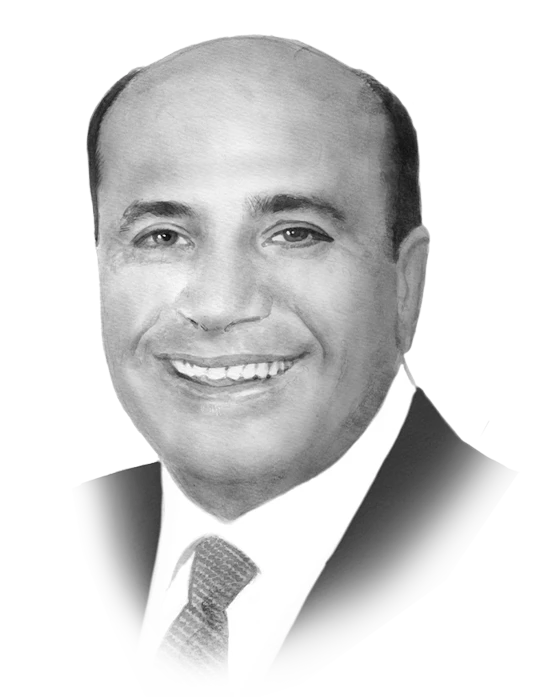
Mohammed Nosseir
The Egyptian government has been charging entry fees for all the Mediterranean Sea beaches in Alexandria, collecting a very negligible annual amount, while preventing millions of poor citizens from enjoying the sea. By segmenting the beaches, the government could generate more revenue, keep beaches clean and tidy (something that is completely lacking today), and offer free beach space for poor citizens to enjoy.
The Egyptian state believes that citizens will withstand the price increases as long as it restricts the online posts of a few activists who are inciting other citizens to resist the increases. However, if Egyptians are not able to cope with the cost of basic living, they will either revolt or disobey, without the need for inciters. Egypt is a rich country with its youth’s energy and its natural resources; we need a government that can better harness these energies and resources to yield more revenue.
- Mohammed Nosseir, a liberal politician from Egypt, is a strong advocate of political participation and economic freedom. Twitter: @MohammedNosseir


