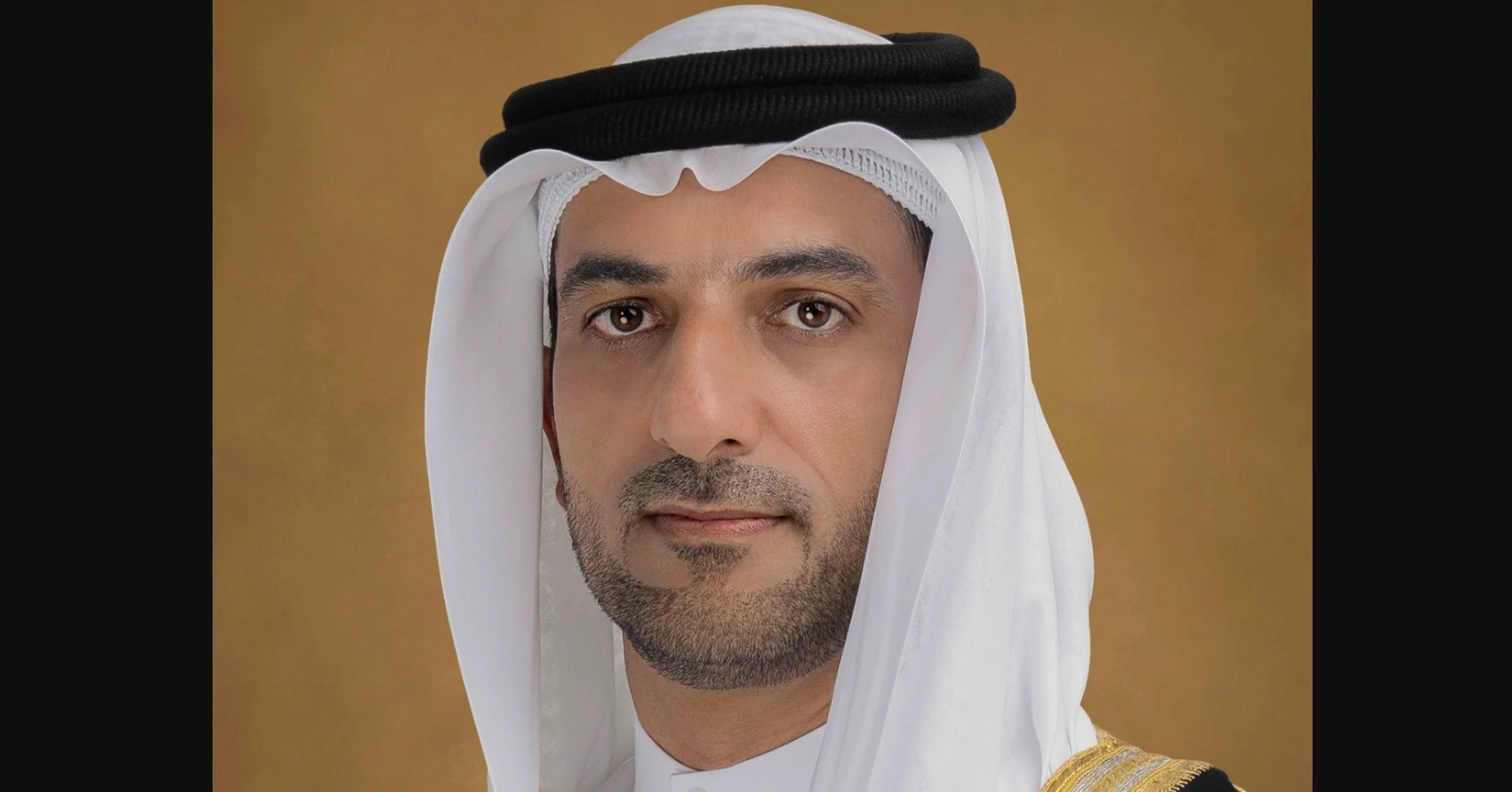
Khalaf Ahmad Al-Habtoor, founder of the Khalaf Ahmad Al-Habtoor Foundation (KAHF) and chairman of the Al-Habtoor Group has urged people to give more to charities for the betterment of humanity. Al-Habtoor has said that Sheikh Khalifa bin Zayed Al-Nahyan, president of the United Arab Emirates (UAE), declared 2017 “The Year of Giving.”
To date Al-Habtoor, a well-known businessman and philanthropist, has donated AED370 million ($101 million) to many charities. In 2013 he launched the KAHF, which aims to improve the lives of mankind irrespective of race, religion and political affiliation. The main focus of the foundation is community development, interfaith dialogue and understanding, education and research, health care and poverty alleviation.
Al-Habtoor regularly makes donations to the UAE Red Crescent, the Emirates Airlines Festival of Literature, the American University of Sharjah, Dubai Harvard Foundation for Medical Research, Awqaf and Minors Affairs Foundation (the building of two endowments) and the Khalaf Al-Habtoor Assistive Technology Resource Center at Zayed University.
On average the KAHF gives over AED5 million ($1.4 million) annually to needy families in the UAE.
“Charity begins at home,” he said. “Which is why I support many initiatives in the UAE and I encourage others to do the same.”
In addition, Al-Habtoor has funded the reconstruction and management of the Al-Farooq Omar Bin Al-Khattab Mosque and Center, as well as the Khalaf Ahmad Al-Habtoor Medical Simulation Center — the first comprehensive simulation training facility of its kind in the region located within the Mohammed Bin Rashid Academic Medical Center at Dubai Healthcare City.
The facility, which provides medical professionals with hands-on clinical simulation training, is designed to replicate a hospital setting with functioning operating rooms, adult and pediatric intensive care, and high-fidelity patient simulators.
Outside the UAE, Al-Habtoor is a regular supporter of the Carter Center, Illinois College and the American University of Cairo among others.
Humanitarian support includes financial assistance to Syrian and Palestinian refugees. Al-Habtoor said: “The refugee crisis has become a global concern. The world has forgotten the plight of these innocent men, women and children. World leaders have turned their backs on the people of Palestine and Syria, so it is left to individuals to tackle the problem alone.”
Al-Habtoor said: “I urge everyone to give within their means to people less fortunate than themselves.”
Most recently the KAHF opened a hospital in Hrar, an impoverished northern town in Lebanon, and launched Hope, a breast cancer initiative in the UAE.
In October 2016, Al-Habtoor pledged $20 million to launch a poverty alleviation plan, and urged other philanthropists to match his pledge.
“In the 21st century, I cannot comprehend why people in parts of the world are witnessing a severe humanitarian crisis and widespread hunger. They are deprived of their basic needs. This is unacceptable.”
“Let us start 2017 on the right foot,” he said. “In the coming weeks, I will be making a big announcement to assist people in the UAE.”
To date Al-Habtoor, a well-known businessman and philanthropist, has donated AED370 million ($101 million) to many charities. In 2013 he launched the KAHF, which aims to improve the lives of mankind irrespective of race, religion and political affiliation. The main focus of the foundation is community development, interfaith dialogue and understanding, education and research, health care and poverty alleviation.
Al-Habtoor regularly makes donations to the UAE Red Crescent, the Emirates Airlines Festival of Literature, the American University of Sharjah, Dubai Harvard Foundation for Medical Research, Awqaf and Minors Affairs Foundation (the building of two endowments) and the Khalaf Al-Habtoor Assistive Technology Resource Center at Zayed University.
On average the KAHF gives over AED5 million ($1.4 million) annually to needy families in the UAE.
“Charity begins at home,” he said. “Which is why I support many initiatives in the UAE and I encourage others to do the same.”
In addition, Al-Habtoor has funded the reconstruction and management of the Al-Farooq Omar Bin Al-Khattab Mosque and Center, as well as the Khalaf Ahmad Al-Habtoor Medical Simulation Center — the first comprehensive simulation training facility of its kind in the region located within the Mohammed Bin Rashid Academic Medical Center at Dubai Healthcare City.
The facility, which provides medical professionals with hands-on clinical simulation training, is designed to replicate a hospital setting with functioning operating rooms, adult and pediatric intensive care, and high-fidelity patient simulators.
Outside the UAE, Al-Habtoor is a regular supporter of the Carter Center, Illinois College and the American University of Cairo among others.
Humanitarian support includes financial assistance to Syrian and Palestinian refugees. Al-Habtoor said: “The refugee crisis has become a global concern. The world has forgotten the plight of these innocent men, women and children. World leaders have turned their backs on the people of Palestine and Syria, so it is left to individuals to tackle the problem alone.”
Al-Habtoor said: “I urge everyone to give within their means to people less fortunate than themselves.”
Most recently the KAHF opened a hospital in Hrar, an impoverished northern town in Lebanon, and launched Hope, a breast cancer initiative in the UAE.
In October 2016, Al-Habtoor pledged $20 million to launch a poverty alleviation plan, and urged other philanthropists to match his pledge.
“In the 21st century, I cannot comprehend why people in parts of the world are witnessing a severe humanitarian crisis and widespread hunger. They are deprived of their basic needs. This is unacceptable.”
“Let us start 2017 on the right foot,” he said. “In the coming weeks, I will be making a big announcement to assist people in the UAE.”