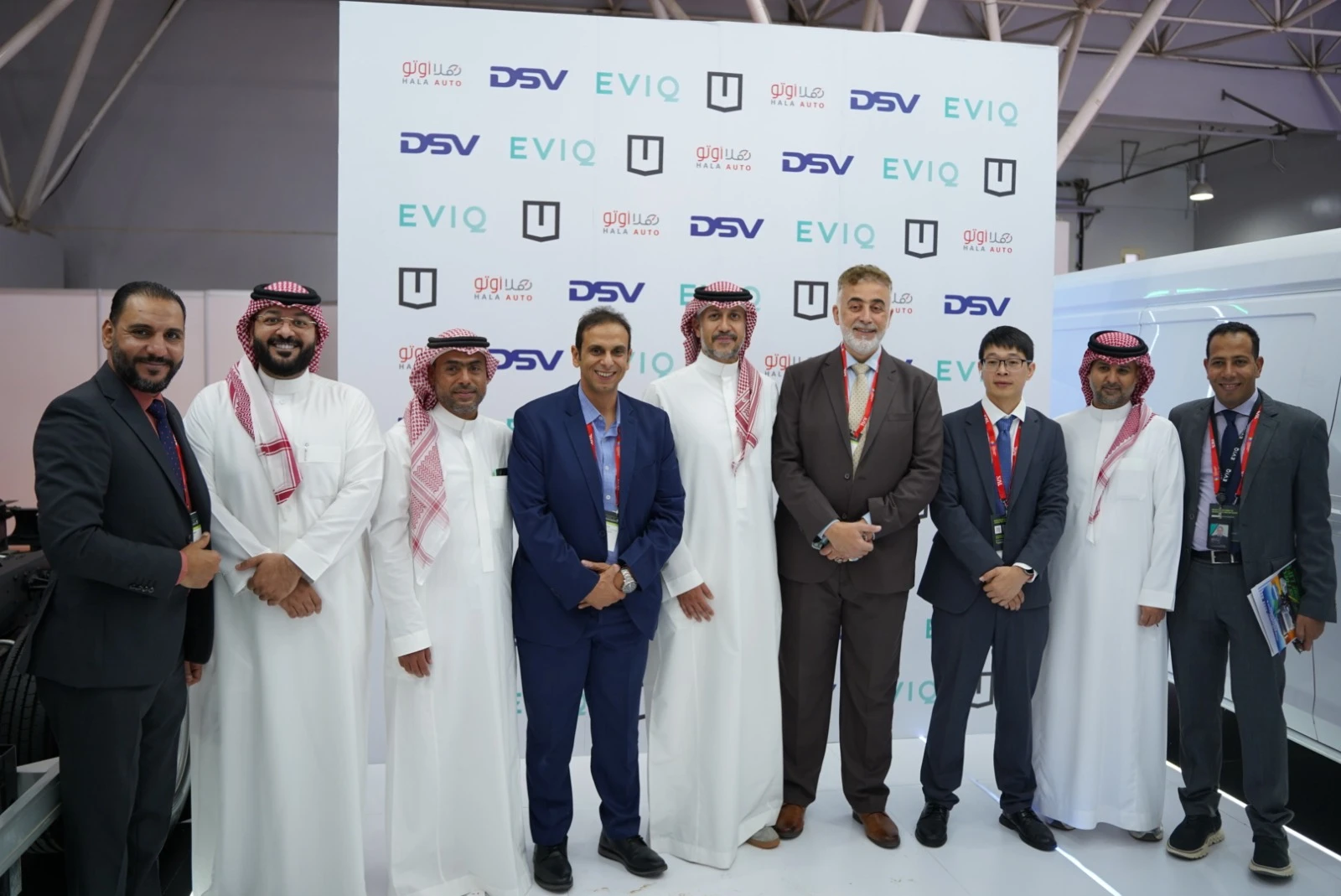
The annual Saudi International Motor Show, which opened in Jeddah on Sunday, showcases new cars from world manufacturers.
The five-day event at Jeddah International Exhibition & Convention Center has exhibits from the United States, South Korea, Japan and China.
The exhibition venue’s outdoor area is dedicated to commercial vehicles and entertaining activities for young Saudis like modified cars and the participation of different car clubs.
The north parking area of the exhibition has a range of attractions, including drifting organized by Nissan and off-road activities by Kia.
The event takes place at a time when Saudi Arabia is pursuing its Vision 2030 goals and the automotive industry is considered an important part of this vision.
In fact, Saudi Arabia has put forth an ambitious strategy for industrial diversification and the automotive sector is part of the National Industrial Clusters Development Program.
Saudi Arabia’s automotive sector has a market value of more than SR82.5 billion and has established locally a number of companies for manufacturing equipment and original spare parts.
The automotive market is considered one of the fastest growing markets within Saudi Arabia. Demand varies for different brands in different categories from luxury cars, 4x4 to small and midsized cars. Additionally, the sale of commercial vehicles is expected to rise due to current and potential infrastructure projects.
Currently, the sale of new and used cars is between 600,000 to 820,000 per year. The figure is expected to reach 1 million during 2016-2017.
The Middle East has become one of the most lucrative areas for the automotive industry, where the sale of vehicles is maintaining an annual growth rate of 11 percent.
Saudi Arabia holds first place in the region for being the largest importer of cars and spare parts.
The commercial vehicle market in the Kingdom is very active due to the continued high demand of the large growth in the projects as well as increased demands for buses to meet the growing needs of transport services for Haj and Umrah pilgrims, as well as the movement of laborers for various industrial and development projects and the requirements of the transportation authority such as SAPTCO to accommodate the huge number of passengers.
The Saudi government aims to meet this demand not only through imports but also by attracting original equipment manufacturers (OEMs) to open facilities in the country and simultaneously developing a domestic automotive design and manufacturing capacity.
Oil and lubricants are an equally important part of the show, Its diamond sponsor is eni lubricants. Brands like Total and Shell are among the other participants.
Financial services to potential buyers are provided by the show’s main sponsor Riyad Bank, and other financial and insurance institutions and companies.
“Saudi International Motor Show is the flagship of Al-Harithy Company for Exhibitions (ACE) and has served the automotive industry and the end users for over three decades,” commented Zahoor Siddique, vice president, Ace Exhibitions.
The show ends Dec. 15 and is open 4-10 p.m.
The five-day event at Jeddah International Exhibition & Convention Center has exhibits from the United States, South Korea, Japan and China.
The exhibition venue’s outdoor area is dedicated to commercial vehicles and entertaining activities for young Saudis like modified cars and the participation of different car clubs.
The north parking area of the exhibition has a range of attractions, including drifting organized by Nissan and off-road activities by Kia.
The event takes place at a time when Saudi Arabia is pursuing its Vision 2030 goals and the automotive industry is considered an important part of this vision.
In fact, Saudi Arabia has put forth an ambitious strategy for industrial diversification and the automotive sector is part of the National Industrial Clusters Development Program.
Saudi Arabia’s automotive sector has a market value of more than SR82.5 billion and has established locally a number of companies for manufacturing equipment and original spare parts.
The automotive market is considered one of the fastest growing markets within Saudi Arabia. Demand varies for different brands in different categories from luxury cars, 4x4 to small and midsized cars. Additionally, the sale of commercial vehicles is expected to rise due to current and potential infrastructure projects.
Currently, the sale of new and used cars is between 600,000 to 820,000 per year. The figure is expected to reach 1 million during 2016-2017.
The Middle East has become one of the most lucrative areas for the automotive industry, where the sale of vehicles is maintaining an annual growth rate of 11 percent.
Saudi Arabia holds first place in the region for being the largest importer of cars and spare parts.
The commercial vehicle market in the Kingdom is very active due to the continued high demand of the large growth in the projects as well as increased demands for buses to meet the growing needs of transport services for Haj and Umrah pilgrims, as well as the movement of laborers for various industrial and development projects and the requirements of the transportation authority such as SAPTCO to accommodate the huge number of passengers.
The Saudi government aims to meet this demand not only through imports but also by attracting original equipment manufacturers (OEMs) to open facilities in the country and simultaneously developing a domestic automotive design and manufacturing capacity.
Oil and lubricants are an equally important part of the show, Its diamond sponsor is eni lubricants. Brands like Total and Shell are among the other participants.
Financial services to potential buyers are provided by the show’s main sponsor Riyad Bank, and other financial and insurance institutions and companies.
“Saudi International Motor Show is the flagship of Al-Harithy Company for Exhibitions (ACE) and has served the automotive industry and the end users for over three decades,” commented Zahoor Siddique, vice president, Ace Exhibitions.
The show ends Dec. 15 and is open 4-10 p.m.