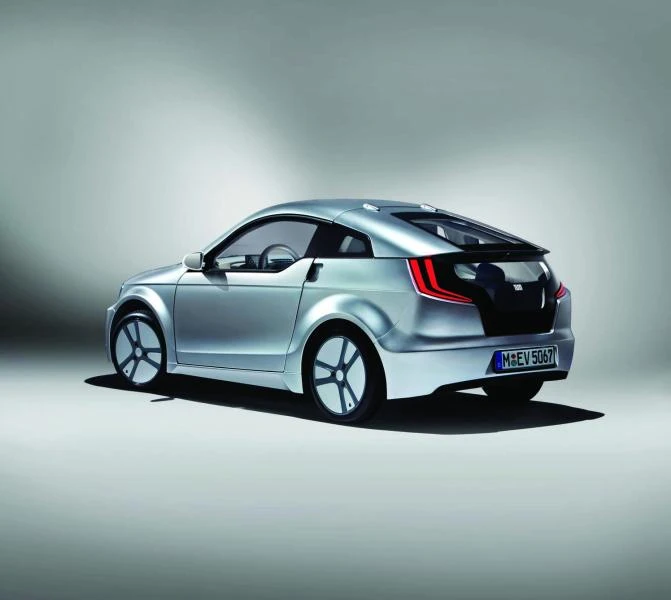
A Saudi Basic Industries Corporation (SABIC)-made resin has been successfully used in making the windows of a new ultra-lightweight electric car concept developed by BMW-led Visio.M Consortium.
The LEXAN resin, used as an alternative to conventional glass for the car’s windows, reduces weight by over 13 kg and extends the vehicle’s driving range by up to two km for a single battery charge.
The lightweight urban electric concept vehicle with various advances was showcased at the Technical University of Munich on Oct. 20 by BMW, Daimler, the university’s scientists and a consortium of industry participants.
The announcement of the concept vehicle comes at a time when automakers worldwide are striving to improve electric vehicle range and efficiency.
SABIC’s LEXAN resin, which is a polycarbonate (PC) material, helps keep overall vehicle weight to a minimum and contributes to important gains in energy efficiency and extended range, while also delivering other benefits like improved acceleration, vehicle handling and security.
SABIC is a major developer of PC glazing for automotive windows and many other thermoplastic solutions for the automotive industry. The lighter weight of the PC windows contributes to a lower center of gravity, which tends to have a favorable effect on the vehicle’s handling and stability.
The reduced weight also means that the vehicle requires less energy to accelerate at a quicker rate. In terms of vehicle security, LEXAN resin has up to 100 times the impact resistance of glass. As a result, the concept car’s windows can reduce risk from theft, an important feature for urban cars.
sponsored
SABIC resin makes success in making windows for ultra-lightweight electric car