- The ministry utilizes predictive analytics to assess potential disruptions, using examples like fuel station data integration.
- Partnerships with technology firms and government entities enhance the ministry’s resilience and localization efforts.
- A memorandum of understanding was signed with the International Energy Forum to strengthen cooperation in energy sustainability and climate change initiatives.
- The Oil Sustainability Program also entered agreements for sustainable energy access and clean cooking solutions.
RIYADH: Saudi Arabia's Ministry of Energy is using artificial intelligence and real-time data to anticipate disruptions before they occur as the Kingdom works to strengthen the sector's resilience, a senior official told Arab News.
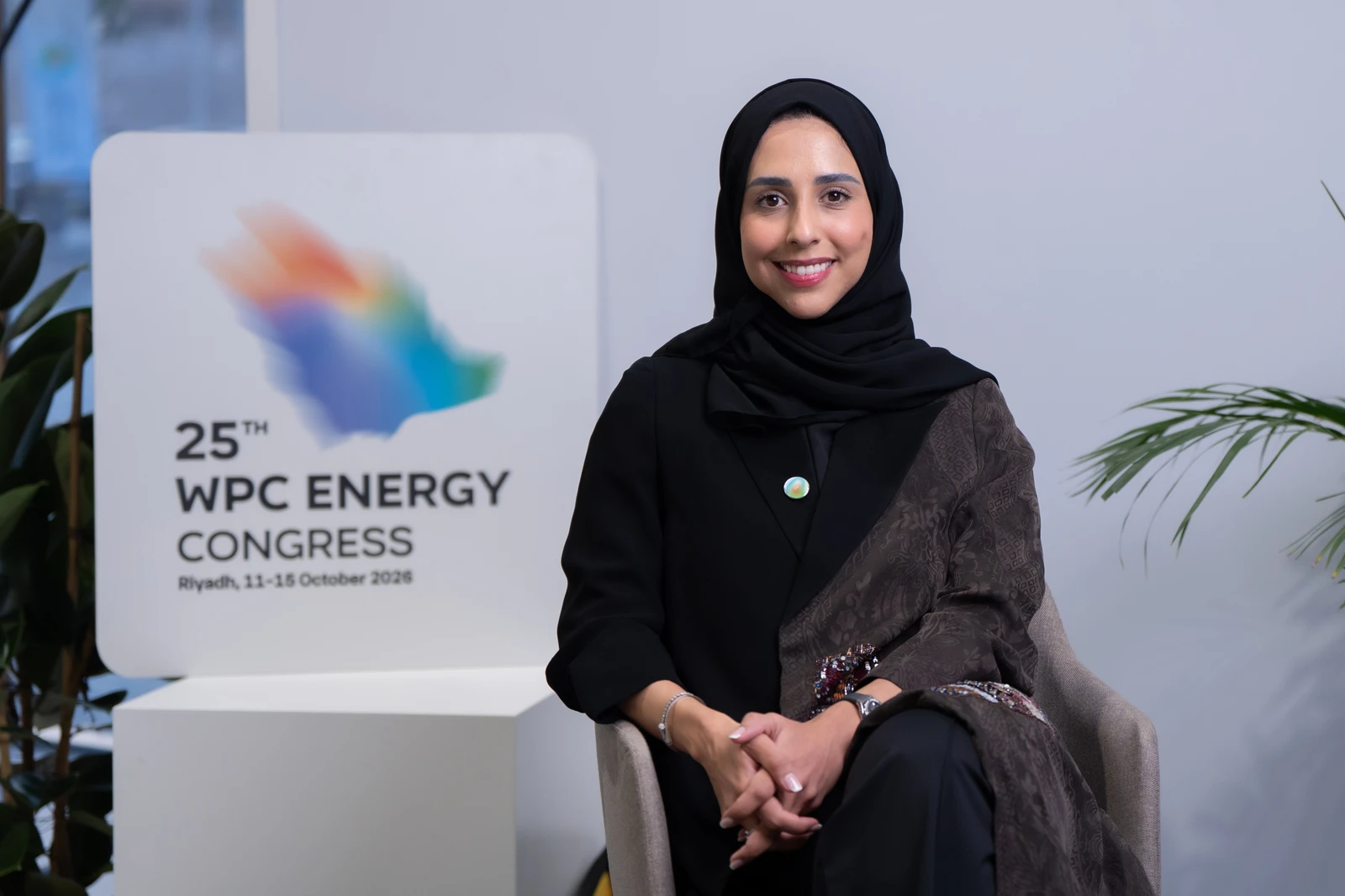
Speaking on the sidelines of the 25th WPC Energy Congress, hosted by the Kingdom through Oct. 15 as part of Energy Week in Riyadh, Alanoud Al-Shuraym, general manager of enterprise architecture at the Ministry of Energy, said integrating data is allowing the ministry to make faster, better-informed decisions, particularly under time pressure.
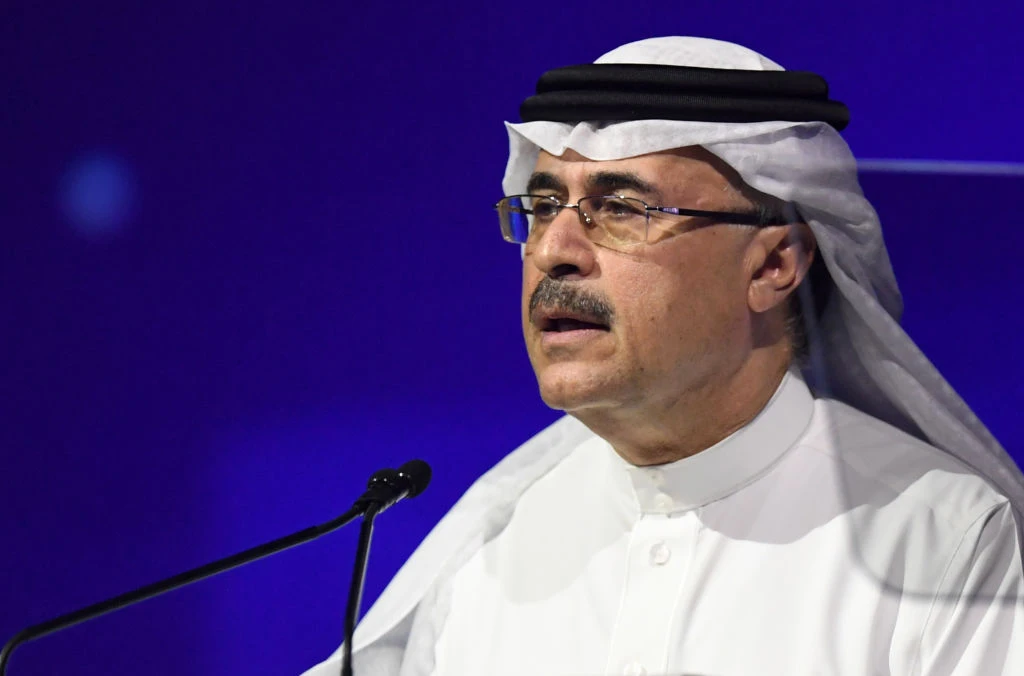
Echoing remarks by Aramco CEO Amin Nasser on the need to build resilience before a crisis hits, Al-Shuraym said: "Having data, and livestream data, from across the energy value chain helped us as the ministry to take informed decisions faster, and predictive decisions before the crisis even occurs."
From fuel stations to full-scale simulations
Al-Shuraym described prediction as an in-depth process built on AI, spanning enterprise-wide systems as well as tools that support employees in strategic decision-making.
She pointed to the integration of fuel station data into the ministry's monitoring center as an example of how predictive analytics and AI can help assess potential disruptions.
Such systems allow the ministry to simulate incidents and assess their potential impact on surrounding regions and on the energy value chain as a whole. AI applications within the ministry range from automating repetitive tasks to supporting strategic decisions through data-driven simulations, she added.
Partnerships and localization
Al-Shuraym said technology alone is not enough, highlighting partnerships with government entities and technology companies that support the Kingdom's localization drive and keep the ministry well-positioned in times of disruption.
She cited partnerships with Humain and the Saudi Data and Artificial Intelligence Authority, among others, as examples of AI being integrated safely into government operations.
New international agreements
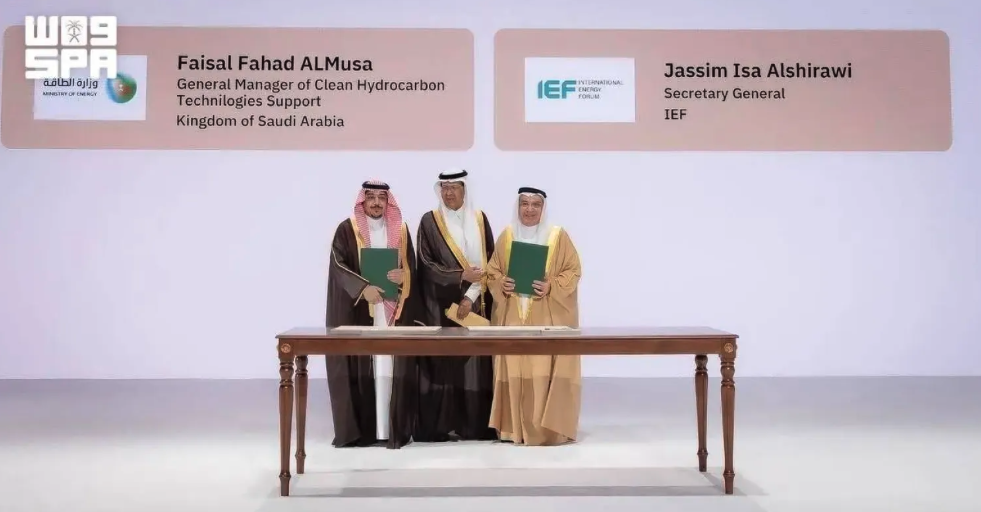
The ministry's focus on resilience came as it signed a memorandum of understanding with the International Energy Forum on Monday to strengthen cooperation across the energy sector.
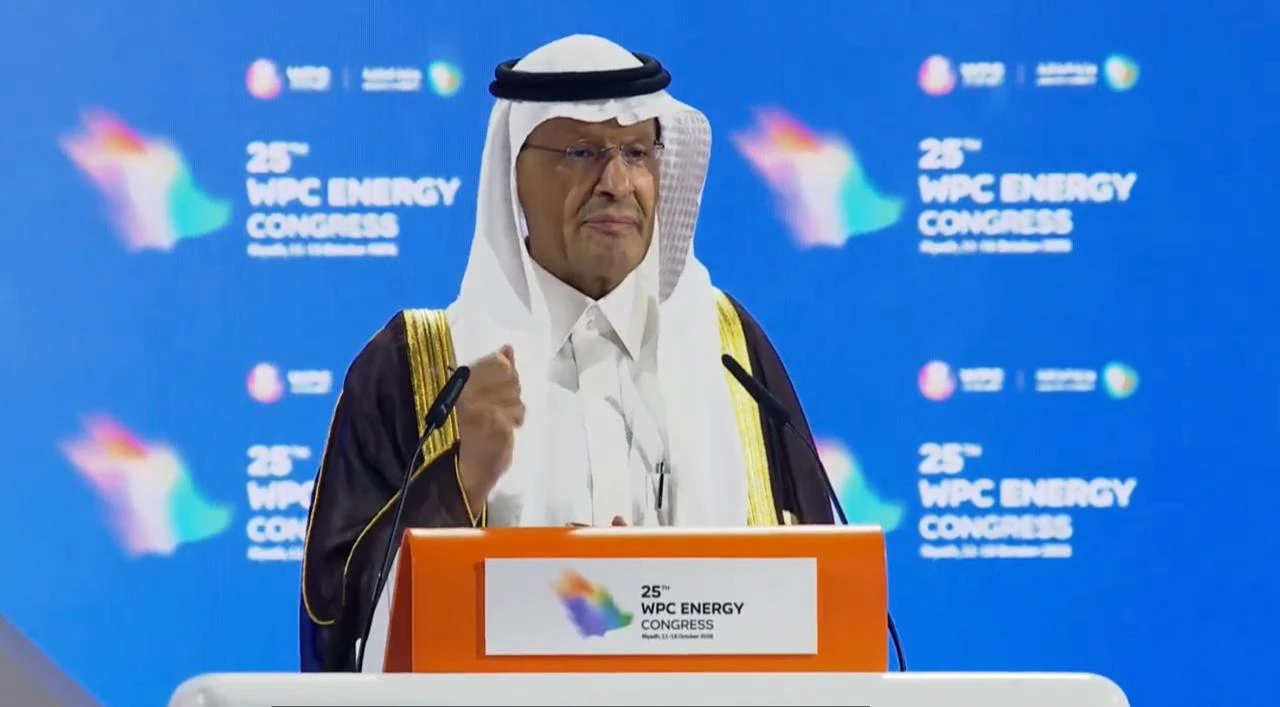
The signing was witnessed by Prince Abdulaziz bin Salman, minister of energy and minister of industry and mineral resources. The ministry was represented by Faisal Al-Mousa, director general of the General Department for Clean Hydrocarbon Technologies Support, while IEF Secretary-General Jassim Al-Shirawi also attended.
The MoU sets out a framework for cooperation in energy-related fields, including advancing sustainable practices in clean energy and related technologies, climate change mitigation, and applying the Circular Carbon Economy approach and the Regional CCE Cooperation Initiative.
It also covers climate-related outreach at the regional and international levels.
Separately, the Oil Sustainability Program signed an MoU with Sierra Leone's Ministry of Energy on sustainable energy access, and an agreement with the US-based Bettering Human Lives Foundation to provide clean cooking solutions using liquefied petroleum gas.