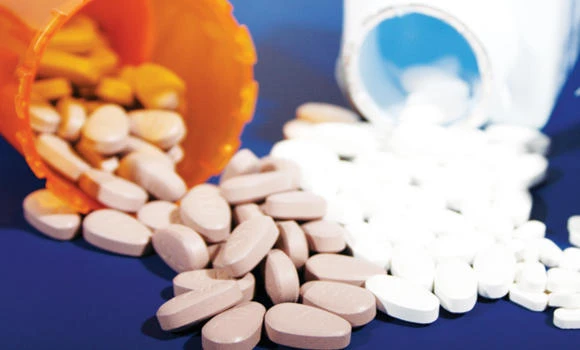
In her book, ‘The Truth About Statins: Risks and Alternatives to Cholesterol-Lowering Drugs,’ Dr. Roberts shares with us her concern about statins. Since they were approved in the United States in 1987 statins are the most widely prescribed cholesterol-lowering drugs despite more and more reports of serious side effects. This book gives us easy-to understand information about the benefits and health risks of these popular drugs.
Before we learn more about statins, we are reminded of the important role cholesterol plays. This waxy fat is produced mainly by the liver but it is also found in foods derived from animal sources. Cholesterol is an integral part of the cell membrane that surrounds every cell in our bodies, keeping all the structures inside the cell from leaking out. It is also absolutely crucial for the normal functioning of muscles, nerve cells and the brain and it’s also the building block of other molecules that our bodies need to function, such as vitamin D, and many hormones including the reproductive hormones estrogen and testosterone.
Cholesterol circulates in the blood bound to special proteins called lipoproteins which are according to their density so LDL cholesterol is low-density lipoprotein cholesterol (bad cholesterol), and HDL is high-density lipoprotein cholesterol, “good cholesterol.”
Statins work by inhibiting an enzyme which helps the manufacture of cholesterol by the body. Incidentally, when this enzyme is inhibited the levels of other important molecules, such as coenzyme Q10, can also drop in people taking these medications.
The answer to whether you should take a statin depends on your age, whether you are a man or a woman, and whether or not you have been diagnosed with atherosclerosis. Atherosclerosis is a form of hardening of the arteries in which plaque accumulates in the walls of arteries, eventually causing the opening of the vessels to narrow.
According to the author, “even the most ardent statin supporters have to concede that despite statin treatment, most men and women with ASCVD (atherosclerotic cardio-vascular disease) continue to suffer cardiac events and to die of their disease...
Since statins target mainly LDL cholesterol levels and have little effect on triglycerides or HDL cholesterol, in fact high doses of statins usually lower the good cholesterol, there is still a high residual risk of atherosclerosis progressing in people taking the drugs especially if they continue with unhealthy diets and lifestyles.”
Despite their positive aspects, statin therapy cannot stop the formation of plaque and can reduce blood levels of coenzyme Q10 which plays a vital role for the proper functioning of little energy factories in our cells called mitochondria.
The most common side effects of statins, myopathy, occurs with increasing frequency of the dose and causes symptoms ranging from mild myalgia (muscle pain), cramps, tenderness, and weakness to the rare but life-threatening condition called rhabdomyolysis. This disorder causes severe damage to muscles all over the body.
“Of all the reported stateside effects, the ones that worry me most are those that involve damage to nerves and the brain,” says Dr. Roberts. According to a study still in its early stages, men and women on statins do not encode memory as efficiently as they do whole on placebo. This might explain the “brain fog” that some people experience when treated with statins. Finally, there is some indication that statin therapy may cause blood sugar to rise, therefore increasing the risk of diabetes.
“When British researchers looked at more than 90,000 participants in thirteen statin trials, they found that statins increased the risk of diabetes by nine percent over an average of four years, and the risk was highest among older participants.”
Clinical trials have also shown that although statins reduce the risk of recurrent cardiac events in women who have established vascular disease, the drugs are however less effective in this regard for women than they are for men.
“In women under the age of sixty-five who don’t have established vascular disease, we have zero evidence that statin treatment lowers their risk of having a cardiac event.”
The safe statin alternative is the Mediterranean diet which is sometimes called the Cretan diet. It is based on fruits, vegetables, whole grains and nuts, beans, olive oil as the main source of fat, seafood, very little meat, and cheese in moderation.
The author also corrects a common misconception concerning eggs and shellfish: “My patients are amazed and often delighted when I tell them that they can eat all the shrimps, lobster, crab and eggs they want. Why? Because eating pure cholesterol doesn’t raise your cholesterol to any appreciable degree. Eating saturated fats raises your cholesterol levels; specifically your LDL and HDL cholesterol.”
At the end of the book, the author provides you with delicious and easy-to-prepare heart-healthy recipes that are based on the Mediterranean diet. Eating these foods will not make your muscle ache, not damage your brain and nerves and not increase your risk of diabetes.
In this useful book, Dr. Barbara H. Roberts, director of the Women’s Cardiac Center at the Miriam Hospital in Rhode Island discusses both the benefits and health risks of statin,the most widely prescribed cholesterol-lowering drugs. She also gives all the information you need to decide how to take the best possible care of your heart.
—
Email: [email protected]
The truth about cholesterol-lowering drugs