DUBAI: An oil spill spreading along Oman’s coast is threatening fragile marine ecosystems that support endangered Arabian Sea humpback whales, critically endangered hawksbill turtles and vulnerable seabirds, raising concerns over the long-term impact on some of the region’s most threatened wildlife.
Crude oil has been leaking from the tanker Caroline Bezengi — a sanctioned tanker believed to be part of Russia’s “shadow fleet” — that was carrying nearly 1 million barrels of oil when it reported an explosion in June.
According to satellite image analysis, the spill expanded to cover an area of 1,700 sq. km as of August 13. Oman’s Environment Authority confirmed that oil has reached the shore at Ras Madrakah, roughly 200 km north of the tanker’s location, affecting an estimated 40 km of coastline. Forecasts indicate oil may reach the southern coast of Masirah Island within hours.
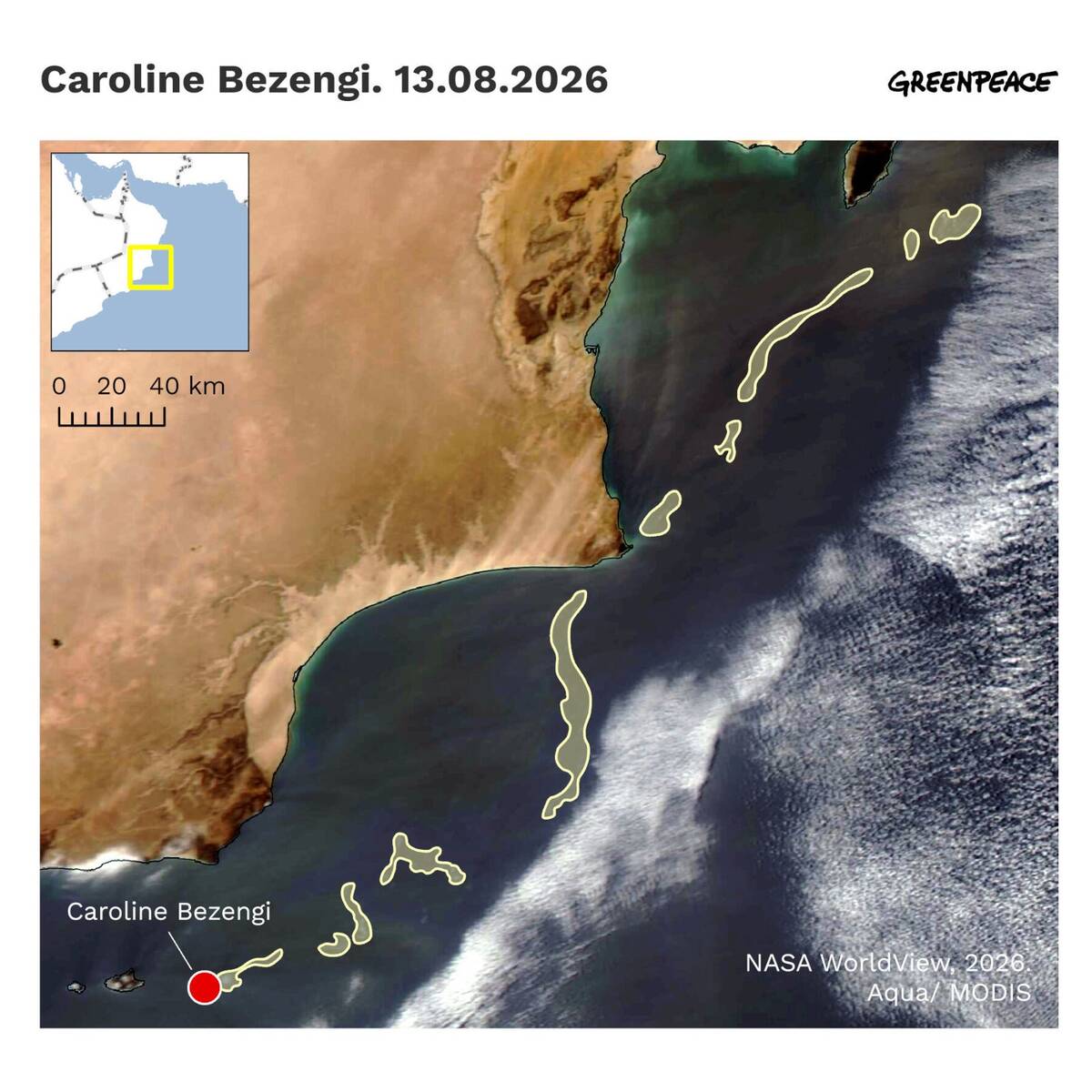
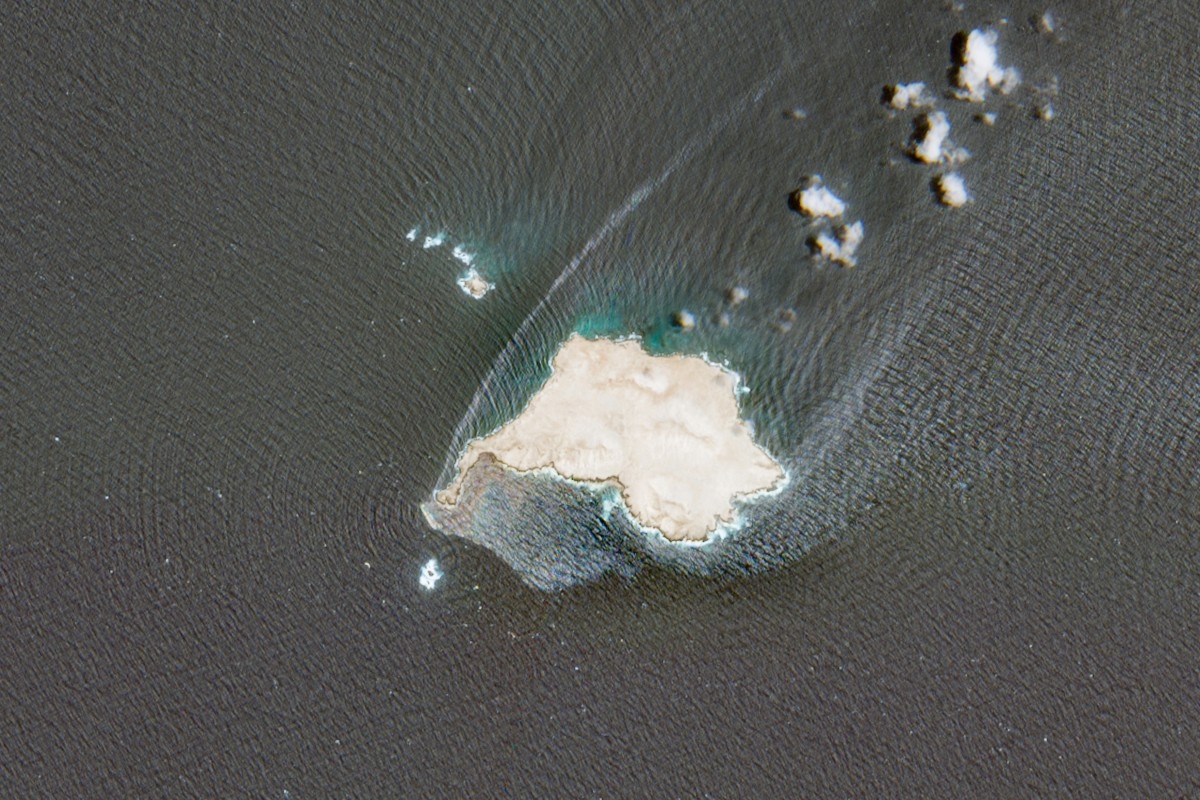
Home to the Arabian Sea humpback whales, critically endangered hawksbill turtles and many types of seabirds, Ras Madrakrah is one of the most impacted areas in Oman.
All life forms within the perimeters of the spill are at risk of being critically affected, regional campaigns lead at Greenpeace MENA, Hanen Keskes, told Arab News.
The spill is particularly concerning because it is affecting a Marine Protected Area established to safeguard some of Oman’s most sensitive marine habitats and species.
The protected area has ecosystems including coral reefs and seagrass meadows, as well as habitats used by sea turtles, seabirds and the Arabian Sea humpback whale.
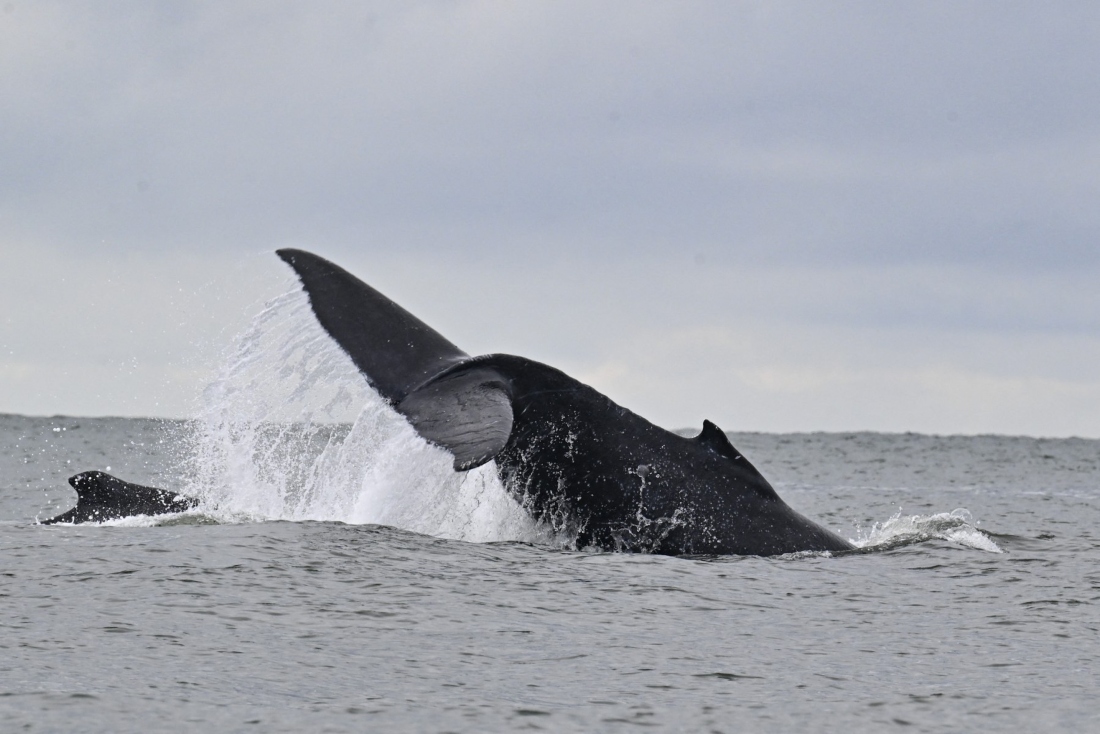
“The area has a thriving marine biodiversity that accounts, among many species, the IUCN-classified critically endangered Hawksbill turtle, the endangered Arabian Sea humpback whale and the vulnerable Socotra cormorant,” Keskes said.
The spill is affecting a highly sensitive marine environment, and with oil spreading toward the Hallaniyat Islands and reaching mainland shores around Ras Madrakah, the impact can leave a lasting damage on the ecosystem.
“Thick crude oil can smother beaches, rocky shores and shallow coral reefs, while heavier petroleum trapped in sand, rocks and sediments can leach toxic hydrocarbons back into the water over time,” Keskes said.
“The spill can also disrupt the foundations of the food web, affecting plankton, crabs, shellfish and other organisms, with consequences for fish, seabirds, turtles and the endangered Arabian Sea humpback whale, as well as local fisheries and coastal communities.
“The oil is directly contaminating a globally critical sanctuary for rare ecosystems. Standard chemical cleanups within MPAs are banned, as these chemicals could sink and permanently poison the same ecosystem respondents are trying to protect, namely vulnerable coral reefs,” she said.
“Wildlife could be affected through both direct exposure and disruption of the wider ecosystem. Birds can lose the waterproofing and insulation of their feathers when coated in oil and may ingest it while preening,” she said.
The threat also extends far beyond animals that come into direct contact with the oil. As crude contaminates plankton, shellfish, crabs and fish at the lower levels of the food chain, the effects can move upward to larger predators, including dolphins and whales, by reducing or contaminating their sources of food.
“The timing is particularly concerning because the area is important for nesting and breeding, meaning contaminated beaches can affect turtle eggs and hatchlings, while seabird colonies may suffer reduced breeding success,” Keskes said.
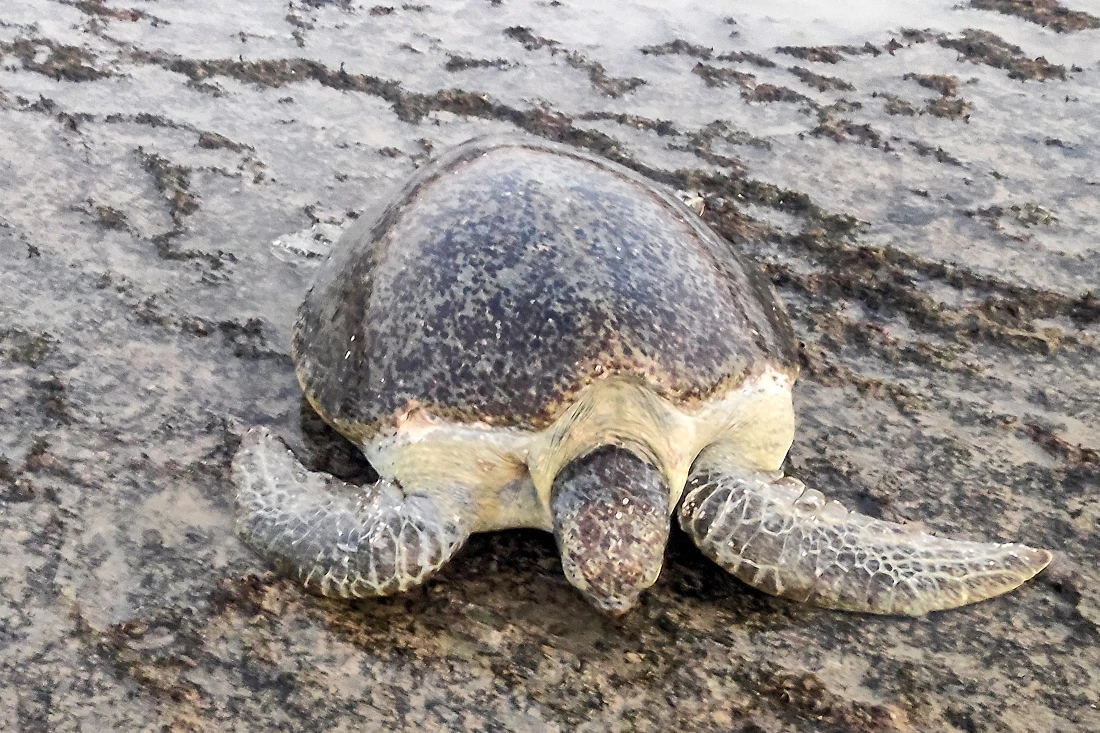
Hawksbill turtles face particular risks because the coastline provides important nesting habitat. Oil reaching beaches can contaminate nesting areas and expose eggs and hatchlings to pollution at some of their most vulnerable stages of development.
Keskes said that with oil contaminating the habitat, coral reef communities were at high risk damaging the homes of many fish and invertebrate species.
Among the species facing concern is the Arabian Sea humpback whale, an endangered population found only in the Arabian Sea. Unlike many whale populations, the group is not known for long-distance migration, making the health of its feeding and breeding habitat particularly important to its survival.
“For Arabian Sea humpback whales, dolphins and other marine mammals, contamination can affect feeding areas and prey. At the base of the food chain, impacts on plankton, shellfish, crabs and fish can further reduce food availability, potentially affecting vulnerable populations long after the visible slick has dispersed,” she explained.
Between June and September, Oman experiences the Khareef monsoon season. During this time, cool moist winds from the Indian Ocean meet cold coastal sea waters, creating thick fog, and light rain.
“The timing with the Khareef monsoon season makes the disaster all the more widespread. The violent waves and powerful winds are physically tearing apart standard containment booms; and spreading and accelerating the slick and driving the pollution deep into mainland and island beaches, making the footprint vastly larger and harder to contain; realistically, once oil reaches shore, the response becomes considerably more difficult; the oil can adhere to rocks, beaches and sediments, contaminate intertidal habitats and expose coastal wildlife to prolonged contamination,” she said.
But the damage is not only short term.
The first notable risks are always immediate, long-term effects however need further assessments to confirm, Keskes said.
“Studies after the Gulf wars of the 1990s and 2000s show contamination can persist for many years if not decades, depending on the scale of the oil released … if oil pollution penetrates seabed sediments it can further cause long-term persistent ecosystem degradation,” she said.
The Oman Environment Authority confirmed the deployment of response teams, including divers to inspect the tanker’s hull, alongside additional aerial monitoring and satellite surveillance operations.
Greenpeace MENA stressed that the priority now must be accelerating efforts to stabilize the tanker, prevent further leakage, and safely transfer the remaining cargo as quickly as conditions allow, the agency said in a statement.
“Time is a critical factor, with every passing hour, containing the pollution and protecting the coast and sensitive ecosystems becomes harder,” Keskes said.
“We also call for a comprehensive assessment of the ecological damage and for Oman to request international assistance where additional expertise, equipment or resources are needed.”
Since the most impacted area is a Marine Protected Area, Keskes said that the most accurate response could be achieved if an environmental benefit analysis was carried out as it would allow for the most appropriate cleanup strategies to be determined.
“The physical containment and clean-up operations are led by the Omani authorities and their contracted specialist responders. Given the scale of the spill, the difficult sea conditions and its proximity to the Hallaniyat Islands marine reserve, international support may become increasingly important, particularly if Oman requires additional technical capacity, specialist equipment or wildlife and ecosystem-response expertise,” Keskes said.
“As of today, Oman has initiated containment efforts, deployed divers to inspect the tanker’s hull, alongside aerial surveillance separate from satellite monitoring, and their emergency response has been upgraded to Level 2, meaning additional expertise has been brought in to manage this through the monsoon season,” she added.
“Those are necessary and welcome steps, and if Oman needs additional specialist capacity or equipment to carry them out, we believe international assistance should be mobilized urgently. A spill of this scale, involving a damaged tanker in a remote and environmentally sensitive location, can require capabilities beyond what any one country has on hand,” she said.
Oil Spill Response Limited told Arab News they are actively working to help deal with the spill in Oman.
“OSRL confirms we are supporting efforts in response to an oil spill in Oman by providing technical advice and equipment to local stakeholders. Our responders are working closely with other organisations involved in the response to minimise the impact on the environment and communities,” they said.