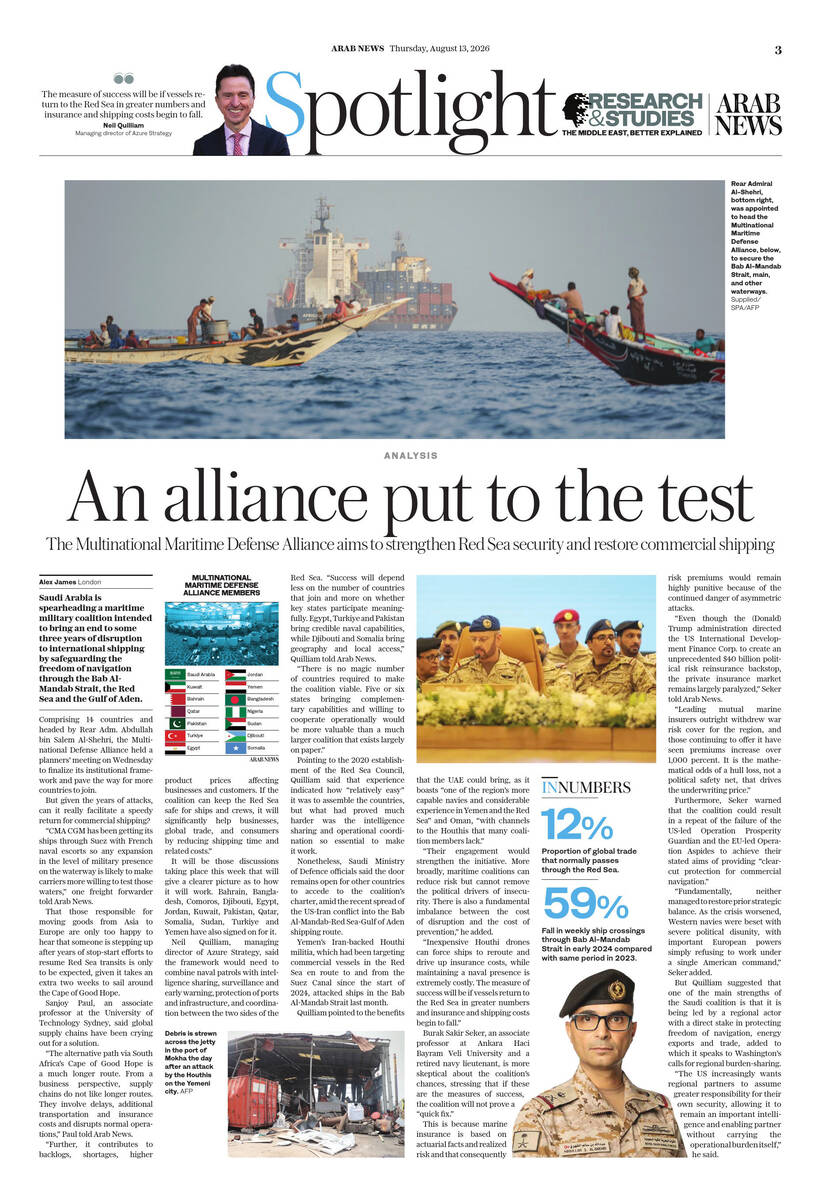
- Multinational Maritime Defense Alliance holds first meeting in the Kingdom as it aims to restore commercial shipping
- Experts say intelligence sharing, regional naval capabilities and deterrence will be crucial to bringing ships back to Red Sea
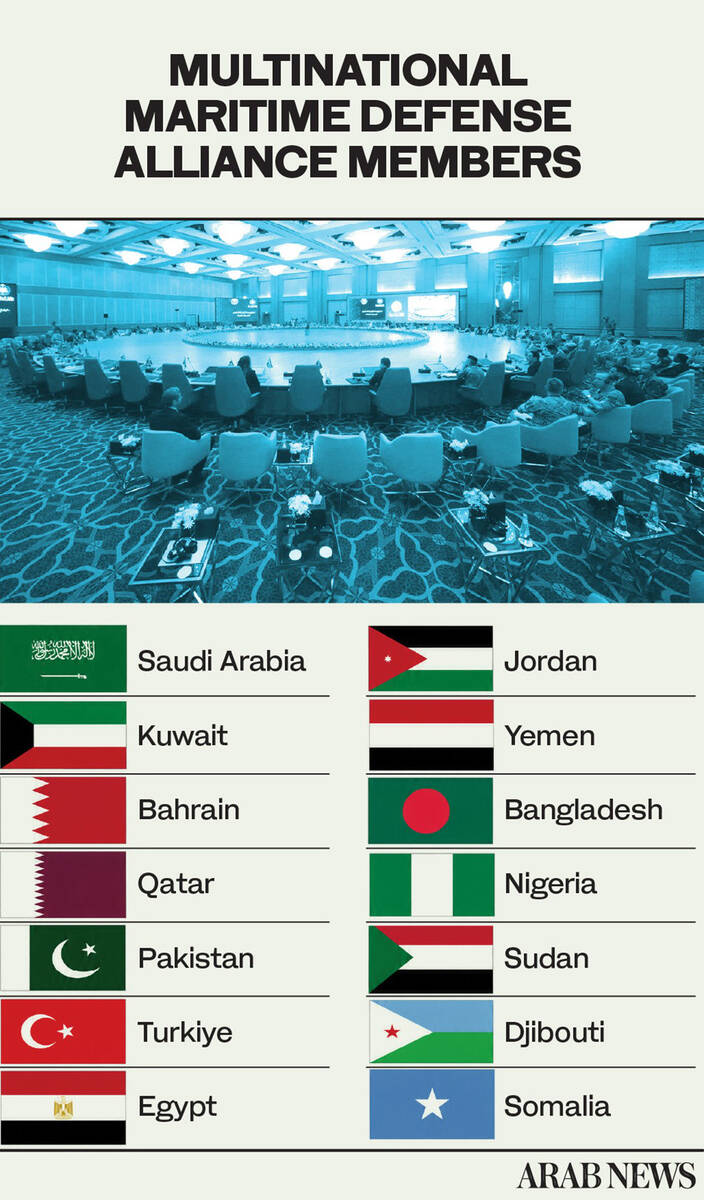
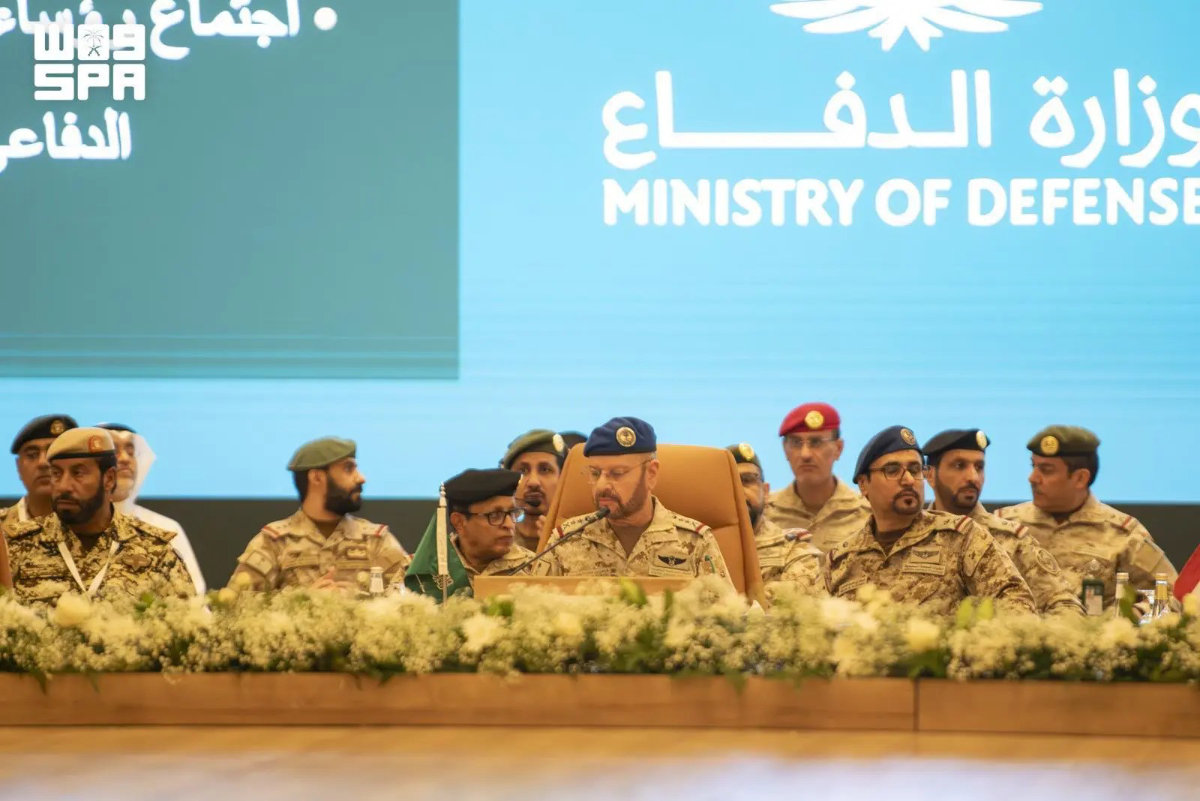
LONDON: The Multinational Maritime Defense Alliance, an initiative involving 14 countries spearheaded by Saudi Arabia, held its first planners’ meeting on Wednesday to finalize its institutional framework and pave the way for more countries to join.
Headed by Rear Adm. Abdullah bin Salem Alshehri, the coalition aims to bring an end to some three years of disruption to international shipping by safeguarding the freedom of navigation through the Bab al-Mandab Strait, the Red Sea and the Gulf of Aden.
But given the years of attacks, can it really facilitate a speedy return for commercial shipping?
“CMA CGM has been getting its ships through Suez with French naval escorts so any expansion in the level of military presence on the waterway is likely to make carriers more willing to test those waters,” one freight forwarder told Arab News, referring to the French shipping and logistics company.
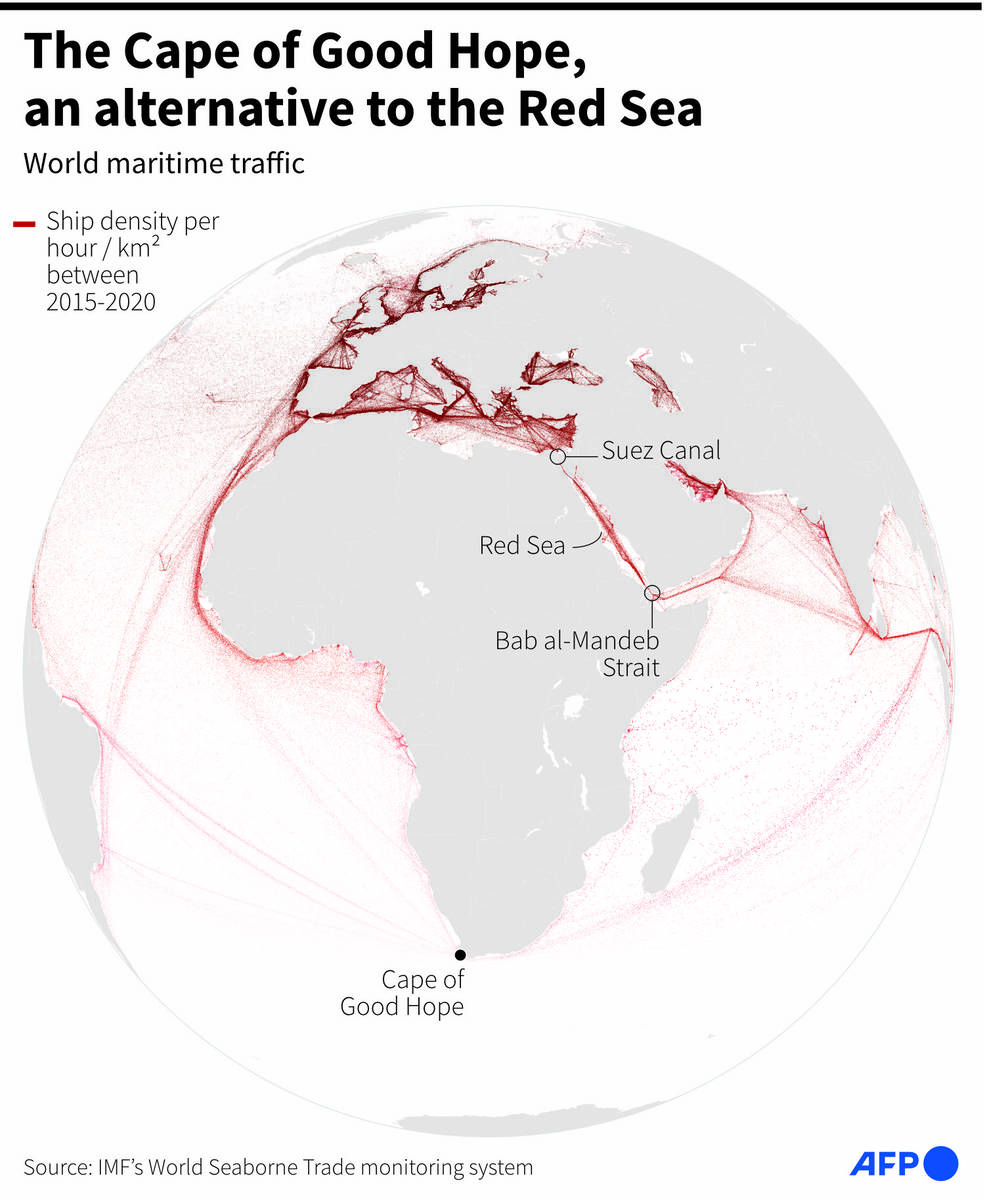
That those responsible for moving goods from Asia to Europe are only too happy to hear that someone is stepping up after years of stop-start efforts to resume Red Sea transits is only to be expected, given it takes an extra two weeks to sail around the Cape of Good Hope.
Sanjoy Paul, an associate professor at the University of Technology Sydney, said global supply chains have been crying out for a solution.
“The alternative path via South Africa’s Cape of Good Hope is a much longer route. From a business perspective, supply chains do not like longer routes. They involve delays, additional transportation and insurance costs and disrupts normal operations,” Paul told Arab News.
“Further, it contributes to backlogs, shortages, higher product prices affecting businesses and customers. If the coalition can keep the Red Sea safe for ships and crews, it will significantly help businesses, global trade, and consumers by reducing shipping time and related costs.”
It will be those discussions taking place this week that will give a clearer picture as to how it will work. Bahrain, Bangladesh, Comoros, Djibouti, Egypt, Jordan, Kuwait, Pakistan, Qatar, Somalia, Sudan, Turkiye and Yemen have also signed on for it.
Neil Quilliam, managing director of Azure Strategy, said the framework would need to combine naval patrols with intelligence sharing, surveillance and early warning, protection of ports and infrastructure, and coordination between the two sides of the Red Sea.
“Success will depend less on the number of countries that join and more on whether key states participate meaningfully. Egypt, Turkiye and Pakistan bring credible naval capabilities, while Djibouti and Somalia bring geography and local access,” Quilliam told Arab News.
“There is no magic number of countries required to make the coalition viable. Five or six states bringing complementary capabilities and willing to cooperate operationally would be more valuable than a much larger coalition that exists largely on paper.”
Pointing to the 2020 establishment of the Red Sea Council, Quilliam said that experience indicated how “relatively easy” it was to assemble the countries, but what had proved much harder was the intelligence sharing and operational coordination so essential to make it work.
Nonetheless, Saudi Ministry of Defence officials said the door remains open for other countries to accede to the coalition’s charter, amid the recent spread of the US-Iran conflict into the Bab Al-Mandab-Red Sea-Gulf of Aden shipping route.

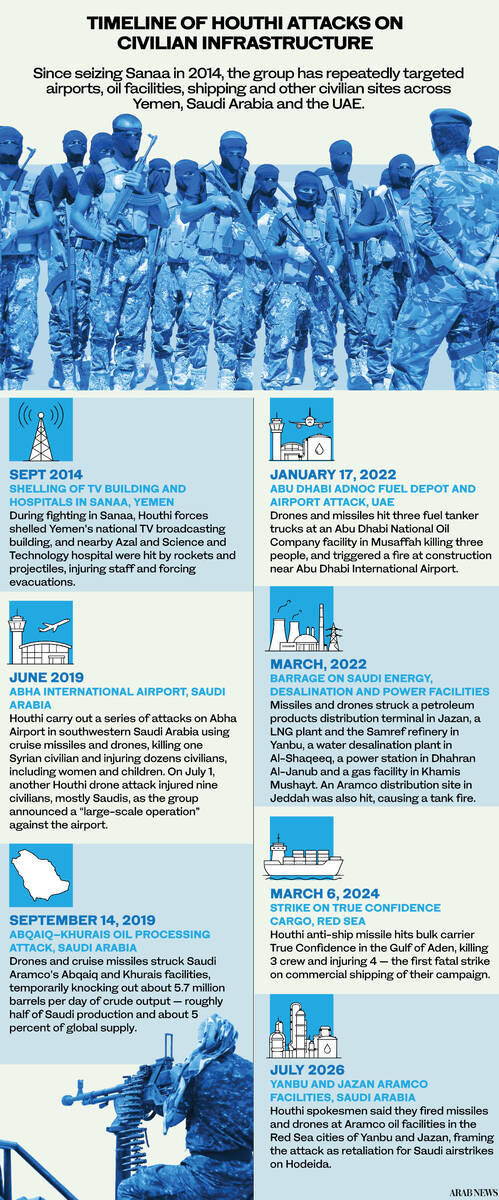
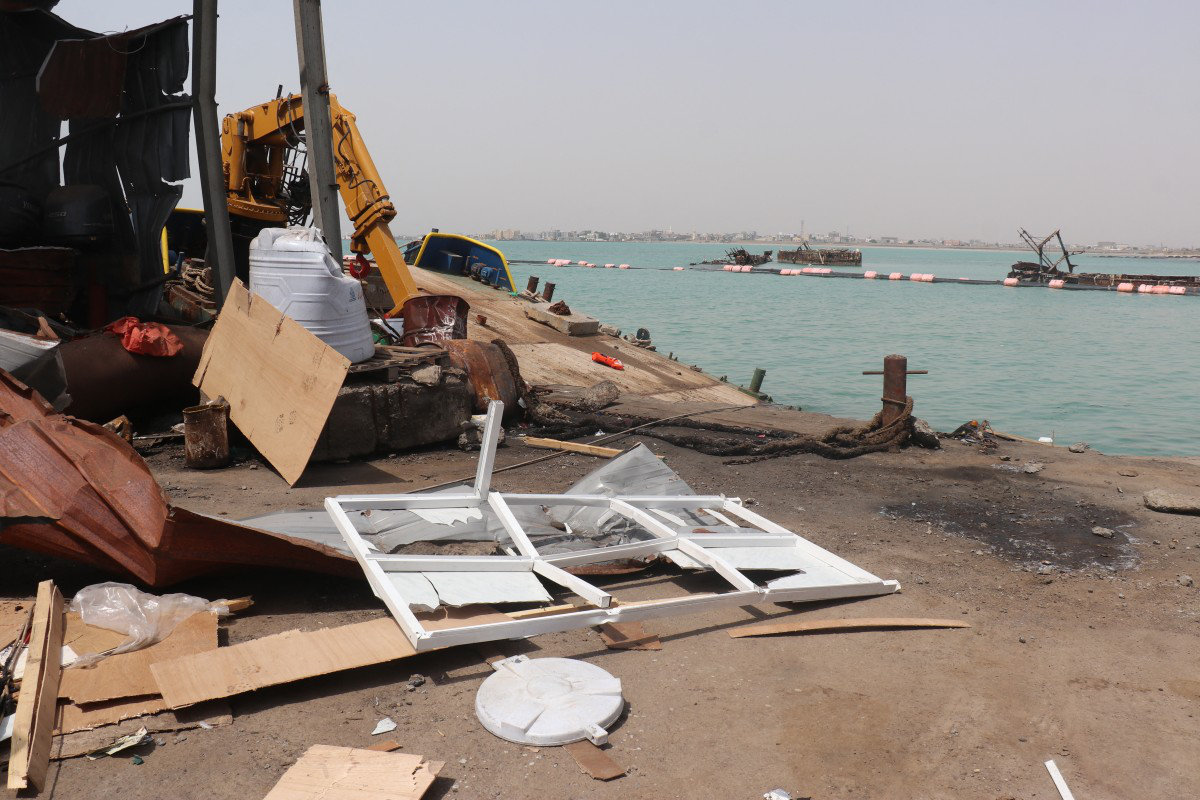
Yemen’s Iran-backed Houthi militia, which had been targeting commercial vessels in the Red Sea en route to and from the Suez Canal since the start of 2024, attacked ships in the Bab Al-Mandab Strait last month.
Quilliam pointed to the benefits that the UAE could bring, as it boasts “one of the region’s more capable navies and considerable experience in Yemen and the Red Sea” and Oman, “with channels to the Houthis that many coalition members lack.”
“Their engagement would strengthen the initiative. More broadly, maritime coalitions can reduce risk but cannot remove the political drivers of insecurity. There is also a fundamental imbalance between the cost of disruption and the cost of prevention,” he added.
“Inexpensive Houthi drones can force ships to reroute and drive up insurance costs, while maintaining a naval presence is extremely costly. The measure of success will be if vessels return to the Red Sea in greater numbers and insurance and shipping costs begin to fall.”
Burak Sakir Seker, an associate professor at Ankara Haci Bayram Veli University and a retired navy lieutenant, is more skeptical about the coalition’s chances, stressing that if these are the measures of success, the coalition will not prove a “quick fix.”
This is because marine insurance is based on actuarial facts and realized risk and that consequently risk premiums would remain highly punitive because of the continued danger of asymmetric attacks.
“Even though the (Donald) Trump administration directed the US International Development Finance Corp. to create an unprecedented $40 billion political risk reinsurance backstop, the private insurance market remains largely paralyzed,” Seker told Arab News.
“Leading mutual marine insurers outright withdrew war risk cover for the region, and those continuing to offer it have seen premiums increase over 1,000 percent. It is the mathematical odds of a hull loss, not a political safety net, that drives the underwriting price.”
Furthermore, Seker warned that the coalition could result in a repeat of the failure of the US-led Operation Prosperity Guardian and the EU-led Operation Aspides to achieve their stated aims of providing “clear-cut protection for commercial navigation.”
“Fundamentally, neither managed to restore prior strategic balance. As the crisis worsened, Western navies were beset with severe political disunity, with important European powers simply refusing to work under a single American command,” Seker added.
But Quilliam suggested that one of the main strengths of the Saudi coalition is that it is being led by a regional actor with a direct stake in protecting freedom of navigation, energy exports and trade, added to which it speaks to Washington’s calls for regional burden-sharing.
“The US increasingly wants regional partners to assume greater responsibility for their own security, allowing it to remain an important intelligence and enabling partner without carrying the operational burden itself,” he said.