- ‘The Seoul Letter Shop’ is built around the lost art of letter writing
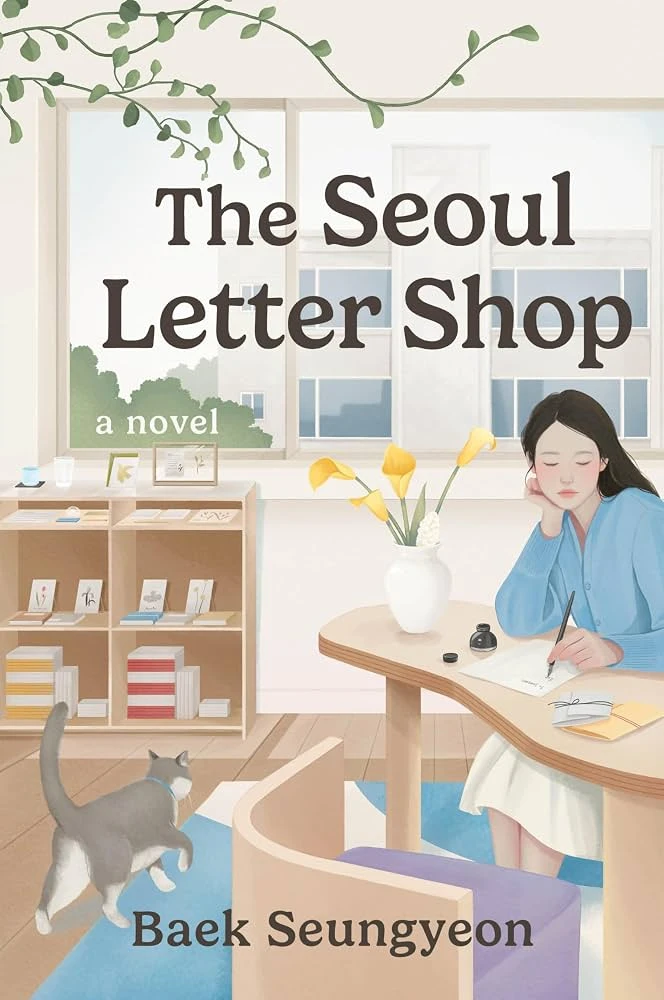
JEDDAH: Baek Seungyeon’s debut novel, “The Seoul Letter Shop,” is a story about letters, the companionship born of ink, and the connections that can grow in unexpected places.
Translated from Korean by Clare Richards and forthcoming from Harper Perennial in October, I picked the novel as my first read for Women in Translation Month, held globally each August to celebrate women’s voices and stories from across languages and cultures.
At 28, Woo Hyo-young has put her own dreams on hold after her older sister, Hyo-min, leaves the family in financial difficulty. When letters of apology from her estranged sister begin arriving, Hyo-young chooses to leave her hometown and takes a job at Geulwol, a small letter shop in Seoul run by a former classmate.
At the heart of the shop is a pen-pal service that lets customers exchange anonymous letters with strangers, creating connections between people who might otherwise never meet.
There, surrounded by stationery, handwritten correspondence and meeting new and regular customers, Hyo-young begins to witness how strangers use letters to express things they struggle to say aloud. It is a lesson that resonates as she herself struggles to find the words to write to her sister.
Among these strangers is Cha Yeonggwang, a webtoon artist who becomes a regular presence in her life.
The most charming aspect of the novel is that its premise is built around the lost art of letter writing. In an age of instant messages, burnout and doomscrolling, Seungyeon’s writing brings to life the particular magic of sitting down with the perfect pen and paper, finding the right words, and waiting for a response.
Geulwol, the shop where the bulk of the novel takes place, itself is a refreshing and intimate setting full of the small pleasures of life. It creates the feeling of a slower world in which people have the time to meet, talk and listen to one another.
“The Seoul Letter Shop” is populated by people at different stages of life, allowing younger and older characters to encounter one another through letters, exchange perspectives and learn from experiences that might otherwise remain outside their worlds.
As one turns the ages, the rhythms of day to day life at Geulwol become a comforting and familiar pattern settling the reader into the characters’ worlds.
Interestingly, the letters are not simply fictional devices: Seungyeon included letters written by existing customers of the real-life Geulwol letter shop in Seoul on which the story is based — a curious detail that adds another layer of warmth to the book.
For all its gentle charm, the story does not shy away from more complicated emotions, particularly within its exploration of sisterhood. Hyo-min’s complicated relationship with her sister explores the hurt that can linger between siblings, creating space to reflect on forgiveness, responsibility and the possibility of reconciliation.
For anyone who enjoys cosy settings, found-family stories, and novels that celebrate the simple pleasure of human connection, “The Seoul Letter Shop” makes for an especially wholesome read.
It is the kind of feel-good novel that seems made for a weekend night in, to be enjoyed with a cup of tea and, perhaps, a pen and some paper nearby.