



ISLAMABAD: A fountain pen bearing the words “Muslim League Zindabad” sits among the personal belongings of Muhammad Ali Jinnah, the founder of Pakistan, preserved in an Islamabad archive nearly eight decades after the country he helped create came into being.
Jinnah used the pen to write in his diaries and sign documents, according to archivists at the Quaid-e-Azam Paper Cell, a collection housed at the National Archives of Pakistan in Islamabad that preserves his personal papers, correspondence, photographs and belongings alongside material relating to his sister Fatima Jinnah and the movement that led to Pakistan’s creation.
Established in the 1970s, the Paper Cell contains thousands of documents and other historical material tracing Jinnah’s personal and political life, including his British Indian passport, firearm and motor vehicle certificates, legal records and political literature from the years before independence in 1947.
“This is the pen used by Quaid-e-Azam for writing and signing documents,” said Malik Ghulam Asghar, an archivist responsible for the collection, referring to Jinnah by the honorific bestowed on him by his followers, meaning “Great Leader.”
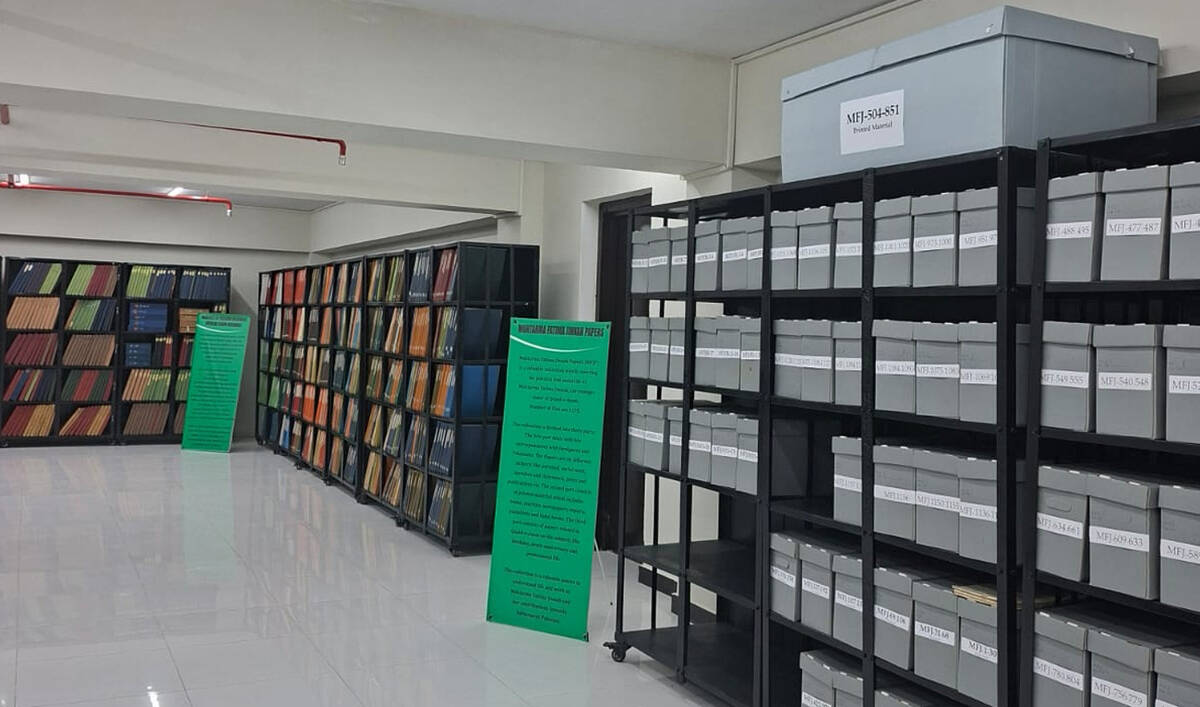
Inside the Quaid Cell, original documents are preserved in special airtight boxes on shelves at the National Archives of Pakistan in Islamabad on August 13, 2026. (AN)
Nearby is Jinnah’s personal diary, while another record documents the Rs500 enrolment fee he paid during his legal career as a senior advocate associated with the Federal Court of India.
Together, the objects offer a less familiar view of a figure known to most Pakistanis through official portraits, speeches and accounts of the political struggle that culminated in the creation of the country.
Asghar said the Paper Cell was established primarily to preserve Jinnah’s personal papers and was recognized by UNESCO in July 1999 for its historical significance.
Hundreds of files preserve correspondence and other material documenting Jinnah’s activities from the early 20th century through the final years of British rule in South Asia.
But some of the collection’s most vivid records are not formal documents at all.
Original political pamphlets from before 1947 show how the Muslim League sought to persuade voters and spread its message in an era long before television, the Internet or social media.
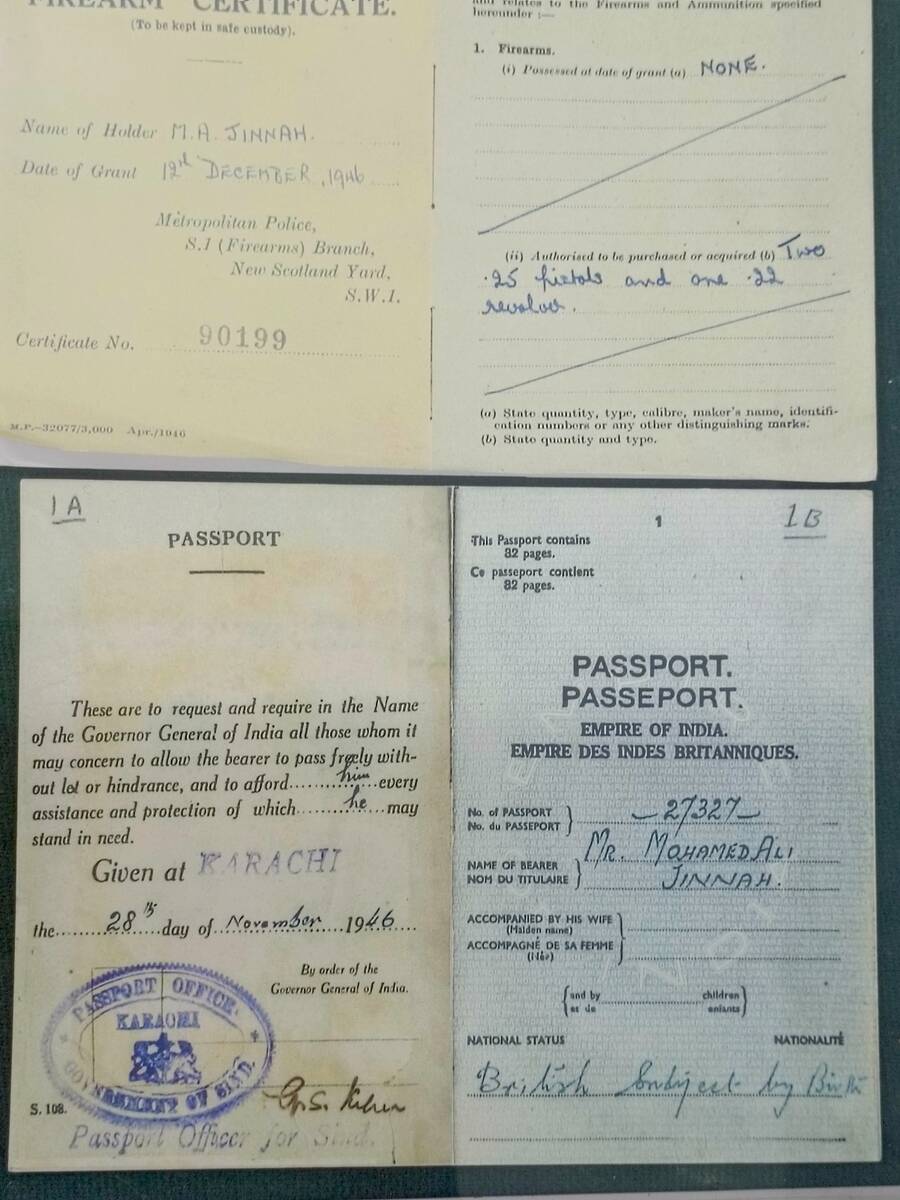
A close-up view of Quaid-e-Azam Muhammad Ali Jinnah’s passport at the Quaid Cell at the National Archives of Pakistan in Islamabad on August 13, 2026. (AN)
One Urdu pamphlet asks, “Why do we want Pakistan?” Another, titled “The election and the future of India,” appeals to voters during the political campaigns that preceded independence. Others urge Muslims to support Muslim League candidates and explain the ideology behind the demand for Pakistan.
The archive also contains more than 3,000 photographs, according to officials at the National Archives.
Many are images rarely seen online, offering researchers and visitors a glimpse of the people behind some of the most familiar names in Pakistan’s history.
The photographs are being digitized to widen access while reducing the handling of fragile originals, part of a broader effort to preserve material that in some cases is more than a century old.
Asghar said the archive uses airtight containers, preservation chemicals and climate-controlled storage, with humidity maintained between 45 and 55 percent. Documents are inspected periodically and moved to preservation or restoration rooms if they show signs of deterioration.
The effort is intended to ensure that objects documenting both Jinnah’s public role and his everyday life remain available to future generations.
“For visitors, these are not just papers,” Asghar said. “They are pieces of the history that led to the creation of Pakistan.”





