

BY all accounts, the much-anticipated Seventh Congress of the Workers’ Party of Korea was a non-event. If the first such meeting of North Korea’s highest organ in more than 35 years had any impact at all, it was to dash any hopes that the country’s irascible leader, Kim Jong-un, would turn his attention to economic reform.
In the time Kim spent avoiding discussing North Korea’s shambolic economy, he made it abundantly clear that the country’s real pride is its nuclear program. Despite past pledges to abandon nuclear-weapons development, the government has lately been pursuing new research, evidently in the hope of proclaiming the achievement of some new technological milestone.
Since the fall of the Berlin Wall in 1989, most of the world has jumped on the free-market bandwagon. But North Korea has held fast to its isolation. Its cult-like regime has encouraged a hyper-nationalist worldview, according to which any systematic cooperation with another country — much less the international community at large — is considered a threat to North Korea’s sovereignty. And, as the latest party congress made clear, this will not change anytime soon.
Nowadays, however, North Korea is beginning to look less like an outlier than a forerunner in a broader trend toward nationalism, autarky, and authoritarianism. Global trends, as measured by Freedom House and other nongovernmental authorities, include a surge in despotic regimes not seen since the first half of the twentieth century. The embrace of nationalism can be seen virtually everywhere, from conflict-prone regions to the world’s most robust democracies. While the emergence of another North Korea is not on the cards, the growing momentum of nationalism and illiberalism is troubling, to say the least.
No country is free of structural problems, especially given the ease with which central governments can become overburdened, exhausted, and corrupt. And it is never easy to balance the power of the center with the preferences of minorities, the rights of regions, and the authority of local entities.
But, over the years, solutions have emerged to ease these internal imbalances and clashes. One such solution is integration into broader structures, such as the European Union. Strife in the Balkans, for example, was supposed to be resolved with progress toward EU membership. Other kinds of supra-national structures and alliances that help countries to recognize and advance common interests have a similar impact. Unfortunately, that model is not what it used to be. And, nowadays, opinion polls indicate that supra-national entities are losing their appeal. Perhaps the most salient example is the United Kingdom’s referendum on continued EU membership next month.
Those who believed that the Arab Spring would give rise to a new era of democracy in the Middle East never anticipated the power of retrograde forces — such as Daesh — to push the region toward more primeval forms of tribal and sectarian loyalty. Russia has become a major revisionist power, seeking to change by force the terms of the Soviet Union’s breakup, and even decisions taken at the height of Soviet power (the incorporation of Crimea into Ukraine).
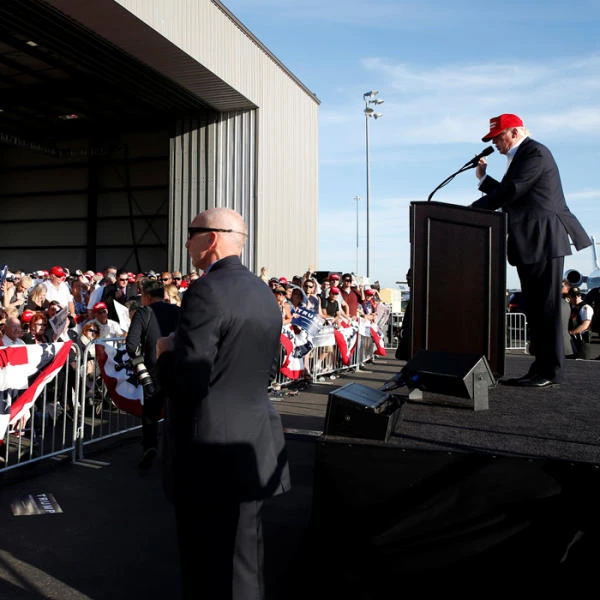
The US has its own problems. The presidential primaries — specifically, Donald Trump — are raising doubts about America’s capacity to help lead the world. His campaign has been marked by bellicose nationalism and anti-immigrant proposals — from the construction of a wall to a ban on Muslims from entering the US — and reckless criticisms of America’s ties with friends and foes alike. Trump seems to lack the knowledge, wisdom, and temperament needed to execute the steady stewardship that today’s world requires. In that sense, he has quite a lot in common with Kim — except that, if Trump gains power, he will have control of a far more influential country.
n The author is ex-US Assistant Secretary of State, East Asia.
©Project Syndicate
In the time Kim spent avoiding discussing North Korea’s shambolic economy, he made it abundantly clear that the country’s real pride is its nuclear program. Despite past pledges to abandon nuclear-weapons development, the government has lately been pursuing new research, evidently in the hope of proclaiming the achievement of some new technological milestone.
Since the fall of the Berlin Wall in 1989, most of the world has jumped on the free-market bandwagon. But North Korea has held fast to its isolation. Its cult-like regime has encouraged a hyper-nationalist worldview, according to which any systematic cooperation with another country — much less the international community at large — is considered a threat to North Korea’s sovereignty. And, as the latest party congress made clear, this will not change anytime soon.
Nowadays, however, North Korea is beginning to look less like an outlier than a forerunner in a broader trend toward nationalism, autarky, and authoritarianism. Global trends, as measured by Freedom House and other nongovernmental authorities, include a surge in despotic regimes not seen since the first half of the twentieth century. The embrace of nationalism can be seen virtually everywhere, from conflict-prone regions to the world’s most robust democracies. While the emergence of another North Korea is not on the cards, the growing momentum of nationalism and illiberalism is troubling, to say the least.
No country is free of structural problems, especially given the ease with which central governments can become overburdened, exhausted, and corrupt. And it is never easy to balance the power of the center with the preferences of minorities, the rights of regions, and the authority of local entities.
But, over the years, solutions have emerged to ease these internal imbalances and clashes. One such solution is integration into broader structures, such as the European Union. Strife in the Balkans, for example, was supposed to be resolved with progress toward EU membership. Other kinds of supra-national structures and alliances that help countries to recognize and advance common interests have a similar impact. Unfortunately, that model is not what it used to be. And, nowadays, opinion polls indicate that supra-national entities are losing their appeal. Perhaps the most salient example is the United Kingdom’s referendum on continued EU membership next month.
Those who believed that the Arab Spring would give rise to a new era of democracy in the Middle East never anticipated the power of retrograde forces — such as Daesh — to push the region toward more primeval forms of tribal and sectarian loyalty. Russia has become a major revisionist power, seeking to change by force the terms of the Soviet Union’s breakup, and even decisions taken at the height of Soviet power (the incorporation of Crimea into Ukraine).
The US has its own problems. The presidential primaries — specifically, Donald Trump — are raising doubts about America’s capacity to help lead the world. His campaign has been marked by bellicose nationalism and anti-immigrant proposals — from the construction of a wall to a ban on Muslims from entering the US — and reckless criticisms of America’s ties with friends and foes alike. Trump seems to lack the knowledge, wisdom, and temperament needed to execute the steady stewardship that today’s world requires. In that sense, he has quite a lot in common with Kim — except that, if Trump gains power, he will have control of a far more influential country.
n The author is ex-US Assistant Secretary of State, East Asia.
©Project Syndicate


