

Civil society movements all over the world have been playing an important role in raising people’s serious issues so that they could be addressed by the governments in power. They have been struggling for democratic rights, social and economic justice, education and non discrimination, among other concerns.
There have been movements for gender and racial justice, universalization of education, provision of health care, shelter, food security, old age pensions, and so many other social, cultural and economic issues. Many of these basic human requirements are already provided for in the Constitutions of various countries including India, and in the United Nations declaration of human rights charter.
Today with acute problems of environmental pollution and climate change, many movements are taking place for the protection and sustenance of the environment. Before discussing environmental movements, it is useful to refer to some prominent political and social movements.
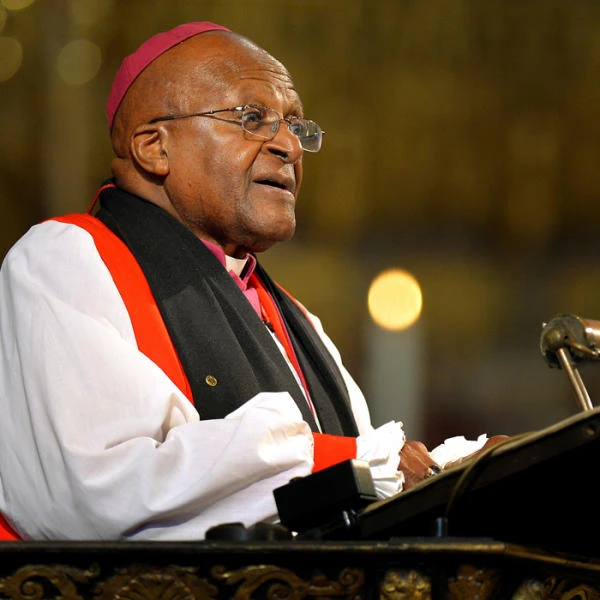
In the US, we are familiar with the well-known non-violent and long-drawn struggles led by Martin Luther King for racial equality and non-discrimination. South Africa’s movement, again largely peaceful, spearheaded by Nelson Mandela and Bishop Desmond Tutu and inspired by Mahatma Gandhi’s non-violent strategies, led to the end of the apartheid and emergence of a just and equitable system of government there. It was subsequently followed by setting up of the Truth and Reconciliation Commission in 1995 to end the bitterness and strife of many decades.
Keeping in view the deterioration and degradation of the environment and its adverse impact on all forms of life — human, animal and plant, we are witnessing many struggles for the protection of the environment both by civil society and by international organizations. The adverse impact is being felt more acutely by developing and poor countries of the world including India.
Deterioration of the environment resulting in climate change and global warming are of serious concern today. The developmental paradigm being followed in most countries is leading to deforestation, denuding of the hills and mountains, soil erosion, destruction of coastlines, pollution of air, soil, rivers and an overall alarming situation. This is posing a serious threat to our ecosystem and all forms of life. The COP 21 meeting held in Paris in December 2015 considered various adverse effects of climate change and what the countries should do to ameliorate the situation.
Almost a century ago, Gandhi had emphasized the protection of our environment and ecosystem. He had stated in very simple language, “The earth, the air, the land and the water are not an inheritance from our fore fathers but on loan from our children. So we have to hand over to them at least as it was handed over to us.” On the other hand, according to noted Anthropologist Margaret Mead: “We won’t have a society if we destroy the environment.”
Several individuals in India such as Sunderlal Bahuguna, Chandi Prasad Bhatt, Rajendra Singh, Medha Patkar have contributed immensely to restoration of the environment and providing justice to the marginalized sections of our population.
— TRANSCEND Media Service
There have been movements for gender and racial justice, universalization of education, provision of health care, shelter, food security, old age pensions, and so many other social, cultural and economic issues. Many of these basic human requirements are already provided for in the Constitutions of various countries including India, and in the United Nations declaration of human rights charter.
Today with acute problems of environmental pollution and climate change, many movements are taking place for the protection and sustenance of the environment. Before discussing environmental movements, it is useful to refer to some prominent political and social movements.
In the US, we are familiar with the well-known non-violent and long-drawn struggles led by Martin Luther King for racial equality and non-discrimination. South Africa’s movement, again largely peaceful, spearheaded by Nelson Mandela and Bishop Desmond Tutu and inspired by Mahatma Gandhi’s non-violent strategies, led to the end of the apartheid and emergence of a just and equitable system of government there. It was subsequently followed by setting up of the Truth and Reconciliation Commission in 1995 to end the bitterness and strife of many decades.
Keeping in view the deterioration and degradation of the environment and its adverse impact on all forms of life — human, animal and plant, we are witnessing many struggles for the protection of the environment both by civil society and by international organizations. The adverse impact is being felt more acutely by developing and poor countries of the world including India.
Deterioration of the environment resulting in climate change and global warming are of serious concern today. The developmental paradigm being followed in most countries is leading to deforestation, denuding of the hills and mountains, soil erosion, destruction of coastlines, pollution of air, soil, rivers and an overall alarming situation. This is posing a serious threat to our ecosystem and all forms of life. The COP 21 meeting held in Paris in December 2015 considered various adverse effects of climate change and what the countries should do to ameliorate the situation.
Almost a century ago, Gandhi had emphasized the protection of our environment and ecosystem. He had stated in very simple language, “The earth, the air, the land and the water are not an inheritance from our fore fathers but on loan from our children. So we have to hand over to them at least as it was handed over to us.” On the other hand, according to noted Anthropologist Margaret Mead: “We won’t have a society if we destroy the environment.”
Several individuals in India such as Sunderlal Bahuguna, Chandi Prasad Bhatt, Rajendra Singh, Medha Patkar have contributed immensely to restoration of the environment and providing justice to the marginalized sections of our population.
— TRANSCEND Media Service


