

The visit of Custodian of the Two Holy Mosques King Salman to the United States is a very important one to reinvigorate a strategic relationship that is more than 80 years old. Too often observers of the Saudi-US relationship like to boil it down to just one component: Oil. And with the slump in global oil prices and the surge in domestic American oil production, some like to say that the relationship is no longer as important as it once was. But they are mistaken, as the relationship has always been about much more than just oil.
During the Cold War with the Soviet Union and China, Saudi Arabia was for decades a key bulwark of resistance against communist expansion in the Middle East. As Syria, South Yemen, and Egypt under Nasser came under the spell of Soviet exports of arms and massive civil construction projects such as the Aswan dam, the Kingdom remained a staunch ally of the United States, and checked the expansion of Godless communism in the region.
For decades, starting in the 1950s, hundreds of thousands of Saudi students have studied on government scholarships in the US, with their number reaching a peek last year when there were an estimated 111,000 Saudi students studying in American universities and colleges. This is a testament to the excellent quality of higher education in America and the continued desire of Saudis to study and live there.
Unfortunately, after the attacks of 9/11 on New York and Washington, anti-Saudi and anti-Muslim sentiments have soared in the US, and we as Saudis have not done enough to counteract the dastardly deeds of the hijackers who were Saudi. Certainly, an exchange program that brought young American students to study in the Kingdom, both male and female, would go a long way in correcting the misunderstandings that many Americans have about the Kingdom and Saudis, by letting them experience and see with their own eyes what life is like in the Kingdom.
On the political front, the Kingdom is facing new security threats from a resurgent Iran that has been meddling for far too long in Arab countries. Iranian interference in Syria, with the billions of dollars that the Iranian government gives to prop up the Assad regime, has helped extend the disastrous Syrian civil war that has produced the flood of refugees that we are now seeing so desperately trying to get into Europe. Surely this is on the agenda of the talks between King Salman and US President Barack Obama.
Some critics of the Kingdom have tried to put the blame on certain misguided individuals in the Gulf who have sent money to extremists in Syria, but that is unfair, and leaves the bloodthirsty regime of Bashar Assad, the real culprit here with its barrel-bombing of Syrians and starvation of innocent civilians, free of any responsibility for the tragedy in Syria.
Likewise, the recently concluded nuclear deal with Iran will also be on the agenda, and rightly so. The Kingdom is extremely wary of Iran’s nuclear intentions, and wants US reassurances and guarantees that inspections and sanctions will be kept in place for as long as necessary to make Tehran comply with the terms of the accord. Hopefully President Obama will be able to give these reassurances and guarantees to our king.
Finally, the Saudi-led intervention in Yemen will surely be on the agenda of talks in Washington between the two leaders. The Kingdom here should be praised for finally taking the lead and using its military forces and equipment to defend its interests in a neighboring country where the Houthi rebels were threatening them. For sure, we have the responsibility to help rebuild Yemen once the fighting is over, and that is something that we cannot renege on.
For nearly a century, Saudi Arabia has been the most consistent and loyal ally of the United States in the Middle East. Just because Americans are less dependent on Arab oil nowadays does not mean that they are going to jettison our strategic friendship and alliance out of the window. Now with the peril posed by Daesh, the United States and Saudi Arabia need each other more than ever.
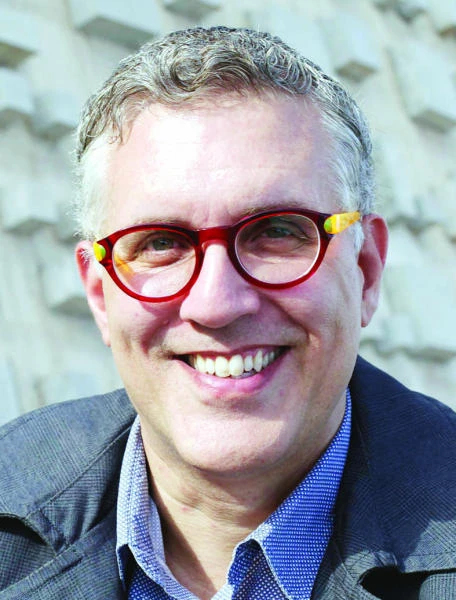
• The writer is a Saudi journalist based in Brazil.


