

The Iran war has reached a dangerous tipping point. Events of the last week have demonstrated what looks like Tehran’s end game. After almost seven months since it started on Feb. 28, the US-Iran war has morphed into a stalemate for a while because Iranian hardliners believed that time was on their side: The US blockade had taken a firm grip, sanctions tightened, Tehran’s isolation deepened, and its military capacity was devastated. However, the US was not able to reopen the Strait of Hormuz, which has left Iran with its most valuable strategic prize and point of leverage. Iran was therefore unwilling to compromise and make a deal.
Iran also detected cracks in its adversaries’ camp: key trading nations like Japan, France, and Germany were sitting out this conflict. China was reluctant to get involved despite its reliance on Hormuz and Russia is not hurt by its closure.
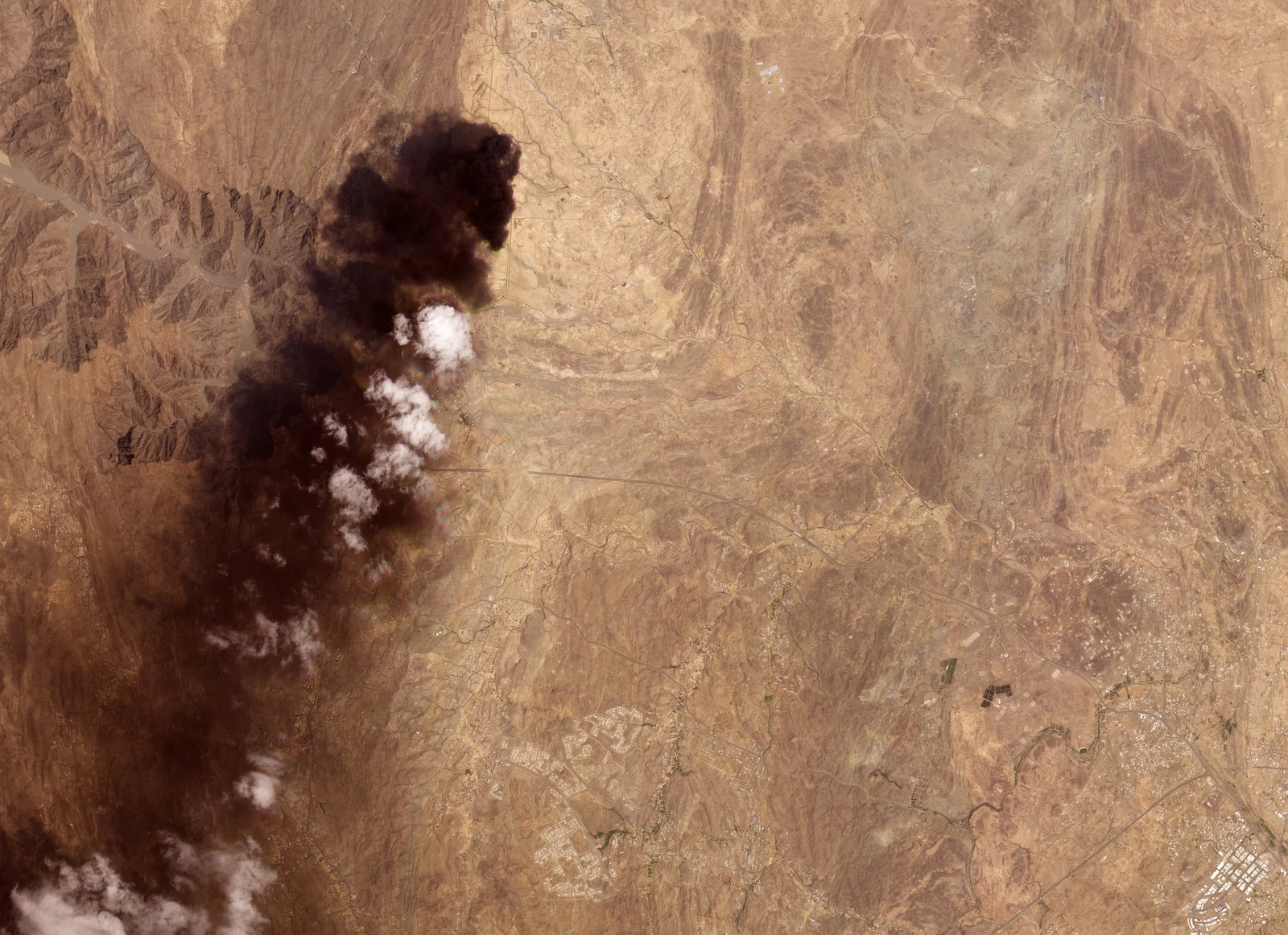
Things got worse from there; it is no longer a stalemate. Iran has increased the pressure on the US and its allies, solidifying its leverage over the international community by prodding its proxies into action. Attacks by Iran-allied militias in Iraq have temporarily halted Saudi Arabia’s East-West pipeline, which provided more than 4 percent of the world’s oil needs, putting further pressure on energy supplies and prices. The Houthis’ territorial gains in Yemen have put them in a position to effectively block the Bab Al-Mandab Strait. Traffic was already down in the waterway by about 50 percent since 2023 when they started threatening passing ships and attacking them from afar. But the Bab Al-Mandab Strait remained a key route for more than 10 percent of international trade in 2025. Recently, oil exports went up by more than 60 percent as the Red Sea served as an alternative to the Gulf and Strait of Hormuz. Now, the threat to navigation through the strait has become more ominous.
Iran’s leverage has grown significantly as a result, as it tightens its grip on regional waterways. The attacks on energy installations and supply lines have deepened the energy crisis around the world. It is likely to press further, unless the international community acts in unison.
To counter these growing threats, Iran’s neighbors and the world at large are not without means.
Recent attacks by Iran and its proxies need a firm and consistent reply from all nations to restore regional order.
Dr. Abdel Aziz Aluwaisheg
First, diplomatic efforts are important and should continue. The GCC was able to rally support to pass UN Security Council Resolution 2817, which condemned Iran’s attacks. China and Russia abstained, allowing the resolution to pass, but vetoed a subsequent draft resolution dedicated to freedom of navigation, thus making collective action under the UN umbrella more difficult. Still, continued engagement is necessary with those nations staying out this conflict or deferring their involvement until after there is a peace deal.
Second, GCC countries are beefing up their own individual and collective defense based on the Mutual Defense Treaty of 2000, and utilizing the GCC Unified Military Command established several years ago.
Third, on July 30, Saudi Arabia and 13 other countries established the Multinational Maritime Defense Alliance, a new group whose purpose is to “protect freedom of navigation, secure international trade routes and safeguard energy supply lines across the Bab Al-Mandab Strait, the Red Sea and the Gulf of Aden,” according to its founding statement. The group’s commander and his deputy have been appointed, and its activities have started, holding its fourth planning meeting in Jeddah on Sept. 18.
Fourth, Pakistan, Saudi Arabia, and Turkiye signed the Makkah Joint Defense Agreement on Aug. 7, establishing a solid tripartite collective defense between three close partners of the US. This alignment will augment, not replace, existing security arrangements with the US to deal with heightened threats.
Fifth, the US-led Bahrain-based Coalition Maritime Forces, which includes 47 countries, is important. In light of the new threats, its mandate should be expanded and its capabilities bolstered, including in the Red Sea.
Sixth, as the GCC states and US are the parties best positioned and most willing to lead, their strategic partnership is key to such an undertaking. The already existing numerous GCC-US working groups dedicated to Iran, maritime security, integrated air defense, and counterterrorism should double their efforts and meet more frequently to address the new threats emerging from this war. As existing conventional defense capabilities lose their deterrence effects, defense cooperation against emerging threats, such as drones and sea mines, is needed.
The US remains the GCC’s most important security partner to meet Iranian threats. This is evident from the close GCC-US coordination taking place and the new deals to provide sophisticated weapons. But this war is unpopular in the US, including within the administration. To avoid a vacuum if the US decided to leave, the GCC states are boosting their own capacity and diversifying their defense partnerships.
In addition to contributing to the security and stability of the region, and the world at large, these projects help achieve this administration’s goal of burden sharing. The GCC countries will continue to give more than their fair share in defending the region, but they expect its partners to help, because GCC regional security is key to international security and global economy.
Recent attacks by Iran and its proxies need a firm and consistent reply from all nations to restore regional order according to international law. The GCC is a ready and willing partner.
Dr. Abdel Aziz Aluwaisheg is the GCC assistant secretary-general for political affairs and negotiation. The views expressed here are personal and do not necessarily represent those of the GCC.
X: @abuhamad1


