

US Secretary of Defense Ashton Carter, in his farewell tour of the Middle East, addressed the Manama Dialogue on Saturday to lay out the Department of Defense’s priorities in the world. However, what struck me most was what was left unsaid in his wide-ranging, 40-minute speech. Carter largely avoided any substantive discussion on the elephant in the room: The Iranian-fueled genocide in Syria, and the proliferation of Shiite militancy in the region.
In comparison, the prior evening Gen. David Petraeus specifically described how Iran’s interference in Arab states and its proliferation of Shiite extremist proxies threaten to undermine security.
Instead, Carter opted to highlight a key component of the Obama Doctrine — prioritizing the fight against Daesh, while ignoring the wholesale destruction waged by the Syrian regime and Iranian auxiliary forces. Carter made a perfunctory remark on how the US is committed to countering Iran’s malign activities, but was short on the details.
The Obama administration should be lauded for expanding the missile air-defense umbrella over Gulf Cooperation Council (GCC) member states to protect against Iranian ballistic missile threats. However, it is ironic that the nuclear agreement with Tehran offers pathways for which Iran can continue to advance its ballistic missile program and procure much-needed sensitive parts for those missiles.
Even more quixotically, the nuclear “deal” also gives Iran a free hand to transport those missiles to terror groups such as Hezbollah without facing international sanctions or a military response.
In Manama, Carter repeated the tired trope that the most immediate threat in the region is Daesh. He said the objective is to destroy it in its strongholds in Iraq and Syria. Ensuring that Daesh stays defeated will require the US to enable local forces to prosecute the fight against the group.
He touched on the reinforcing cycle of intelligence, airstrikes and special forces raids, which have taken a heavy toll on Daesh and its leadership. Indeed, Carter is correct in highlighting that Daesh leaders no longer have freedom of movement between Raqqa and Mosul.
However, what he left unsaid spoke volumes. The amount of material, men, weapons and treasure being invested in sustaining the momentum of lethal force against Daesh would not have been needed had the Obama administration heeded warnings by the Syrian opposition and Arab allies in 2012 on the growth of the extremists that eventually constituted Daesh.
The Pentagon would have found a massive cost-saving measure if US President Barack Obama had authorized military support to the Syrian opposition at an early stage. Perhaps on a personal level, Carter recognized it.
No doubt, Daesh’s capacity to plot and carry out international attacks has been severely hampered with the death of its external operations chief at the hands of US special forces. However, that should not blind military practitioners to the fact that it was the Syrian regime that offered safe haven for Al-Qaeda in Iraq’s leaders and logistical support cell that would eventually spawn Daesh. It is not an insignificant academic fact.
When Carter announced in Manama that the US is sending 300 more special forces soldiers into northern Syria, it was done in a vacuum completely oblivious to the chaos being wrought by the regime and Iranian militias. Even if it was 3,000 more American troops in Syria, it would not be enough to counter Daesh and extremists if Syrian President Bashar Assad is allowed to continue his path of destruction carte blanche.
Echoing Petraeus, Carter underscored the need to “win the peace” after winning the battle. Sadly, whether by design of Obama’s policy or a lasting myopic confidence in his failed strategy, Carter has refused to recognize that he is fixated on fighting the wrong battle. It is a battle that will be repeated countless more times because of the steadfast refusal to accept the fundamental truth that “keeping” the peace in Syria necessitates a plan to get rid of Assad.
Carter concluded his address to the Manama Dialogue by lamenting that some of the regional powers in the Middle East “have not lived up to their full potential” in the fight against Daesh. Complaints, he said, that the US is not doing enough are difficult to accept when the ones complaining are ostensibly not doing enough themselves.
Security partnerships are without doubt a two-way street. Unfortunately, Obama’s misdirection in Syria, and his lack of moral compass in doing the right thing in ending the slaughter, will only drive the anti-Daesh coalition in the wrong direction on a one-way road of futility.
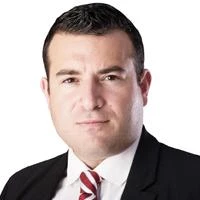
• Oubai Shahbandar is a former Department of Defense senior adviser, and is currently a strategic communications consultant specializing in Middle Eastern and Gulf affairs.
In comparison, the prior evening Gen. David Petraeus specifically described how Iran’s interference in Arab states and its proliferation of Shiite extremist proxies threaten to undermine security.
Instead, Carter opted to highlight a key component of the Obama Doctrine — prioritizing the fight against Daesh, while ignoring the wholesale destruction waged by the Syrian regime and Iranian auxiliary forces. Carter made a perfunctory remark on how the US is committed to countering Iran’s malign activities, but was short on the details.
The Obama administration should be lauded for expanding the missile air-defense umbrella over Gulf Cooperation Council (GCC) member states to protect against Iranian ballistic missile threats. However, it is ironic that the nuclear agreement with Tehran offers pathways for which Iran can continue to advance its ballistic missile program and procure much-needed sensitive parts for those missiles.
Even more quixotically, the nuclear “deal” also gives Iran a free hand to transport those missiles to terror groups such as Hezbollah without facing international sanctions or a military response.
In Manama, Carter repeated the tired trope that the most immediate threat in the region is Daesh. He said the objective is to destroy it in its strongholds in Iraq and Syria. Ensuring that Daesh stays defeated will require the US to enable local forces to prosecute the fight against the group.
He touched on the reinforcing cycle of intelligence, airstrikes and special forces raids, which have taken a heavy toll on Daesh and its leadership. Indeed, Carter is correct in highlighting that Daesh leaders no longer have freedom of movement between Raqqa and Mosul.
However, what he left unsaid spoke volumes. The amount of material, men, weapons and treasure being invested in sustaining the momentum of lethal force against Daesh would not have been needed had the Obama administration heeded warnings by the Syrian opposition and Arab allies in 2012 on the growth of the extremists that eventually constituted Daesh.
The Pentagon would have found a massive cost-saving measure if US President Barack Obama had authorized military support to the Syrian opposition at an early stage. Perhaps on a personal level, Carter recognized it.
No doubt, Daesh’s capacity to plot and carry out international attacks has been severely hampered with the death of its external operations chief at the hands of US special forces. However, that should not blind military practitioners to the fact that it was the Syrian regime that offered safe haven for Al-Qaeda in Iraq’s leaders and logistical support cell that would eventually spawn Daesh. It is not an insignificant academic fact.
When Carter announced in Manama that the US is sending 300 more special forces soldiers into northern Syria, it was done in a vacuum completely oblivious to the chaos being wrought by the regime and Iranian militias. Even if it was 3,000 more American troops in Syria, it would not be enough to counter Daesh and extremists if Syrian President Bashar Assad is allowed to continue his path of destruction carte blanche.
Echoing Petraeus, Carter underscored the need to “win the peace” after winning the battle. Sadly, whether by design of Obama’s policy or a lasting myopic confidence in his failed strategy, Carter has refused to recognize that he is fixated on fighting the wrong battle. It is a battle that will be repeated countless more times because of the steadfast refusal to accept the fundamental truth that “keeping” the peace in Syria necessitates a plan to get rid of Assad.
Carter concluded his address to the Manama Dialogue by lamenting that some of the regional powers in the Middle East “have not lived up to their full potential” in the fight against Daesh. Complaints, he said, that the US is not doing enough are difficult to accept when the ones complaining are ostensibly not doing enough themselves.
Security partnerships are without doubt a two-way street. Unfortunately, Obama’s misdirection in Syria, and his lack of moral compass in doing the right thing in ending the slaughter, will only drive the anti-Daesh coalition in the wrong direction on a one-way road of futility.
• Oubai Shahbandar is a former Department of Defense senior adviser, and is currently a strategic communications consultant specializing in Middle Eastern and Gulf affairs.


