
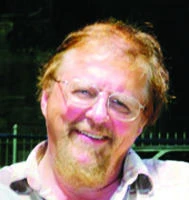

Rodrigo Duterte, who has just been elected president of the Philippines, is not a fake tough guy. What matters to the people who voted for him is that Davao City, once the most violent city in the Philippines and possibly in all of Asia, is now a safe place to live. The man is a miracle-worker, or so it seems, and now he is going to work miracles for the whole country.
The miracle he is now expected to produce, however, is not just law and order. It is a more equal sharing of the prosperity that some in the Philippines are now beginning to enjoy, and that is a considerably taller order.
For many years the Philippines lagged behind the other countries of Southeast Asia — Malaysia, Thailand, Vietnam, Indonesia — as they turned into “tiger” economies and local incomes soared. The wealth was not very evenly shared in any of them, but at least, as their economies grew even their poorest citizens enjoyed some “trickle-down” effect. Whereas this process had scarcely begun in the Philippines.
For the past decade the economy of the Philippines has finally been growing fast: An average of six percent annually. Foreign investment has quadrupled, the budget deficit is down, more money is being spent on infrastructure — but in 10 years there has been no trickle-down beyond the middle class. The poor are just as numerous and just as poor as always. So they voted for Duterte.
The establishment tried its best to stop this sinister populist. Outgoing President Benigno “Noynoy” Aquino (who is constitutionally forbidden to seek a second term), tried to get the other presidential candidates to unite behind one candidate against Duterte. He warned that Duterte would turn into a dictator. At a closing rally on Saturday, he told voters: “I need your help to stop the return of terror in our land. I cannot do it alone.”
They didn’t listen. Duterte not only won; he got almost twice as many votes as the candidate who came second, and he is going to be the president of the Philippines for the next six years. So what will he actually do with his mandate? Nobody knows, because he hasn’t been very forthcoming about his intentions.
When the presidential hopefuls were asked what they would do about their country’s bitter dispute with China over islands in the South China Sea that are claimed by both of them, for example, the other candidates offered detailed strategies for asserting the Filipino claim. Duterte said he would go out on a jet ski and plant the Filipino flag on one of them.
So, then: Impulsive, headline-grabbing, not best known for his joined-up thinking...Starting to sound like Trump, isn’t he? But there are things about Duterte that suggest a more complex person behind the facade.
He has been a prominent supporter of LGBT groups in Davao, which is definitely not a vote-winning position in the deeply Catholic Philippines. He has been trying to restart the stalled peace process with the Muslim minority in his home island of Mindanao, and insists that it must address the injustices that have been committed against Muslims.
Not really your run-of-the-mill populist after all. There’s just too much macho bluster, like this gem from his final campaign rally in Manila on Saturday: “Forget the laws on human rights. If I make it to the presidential palace, I will do just what I did as mayor. You drug pushers, hold-up men and do-nothings, you better go out. Because I’ll kill you.”
He’s also prone to say that if the country’s democratic institutions get in the way of his anti-crime crusade than he’ll abolish the Congress and rule as a “revolutionary government.”
The miracle he is now expected to produce, however, is not just law and order. It is a more equal sharing of the prosperity that some in the Philippines are now beginning to enjoy, and that is a considerably taller order.
For many years the Philippines lagged behind the other countries of Southeast Asia — Malaysia, Thailand, Vietnam, Indonesia — as they turned into “tiger” economies and local incomes soared. The wealth was not very evenly shared in any of them, but at least, as their economies grew even their poorest citizens enjoyed some “trickle-down” effect. Whereas this process had scarcely begun in the Philippines.
For the past decade the economy of the Philippines has finally been growing fast: An average of six percent annually. Foreign investment has quadrupled, the budget deficit is down, more money is being spent on infrastructure — but in 10 years there has been no trickle-down beyond the middle class. The poor are just as numerous and just as poor as always. So they voted for Duterte.
The establishment tried its best to stop this sinister populist. Outgoing President Benigno “Noynoy” Aquino (who is constitutionally forbidden to seek a second term), tried to get the other presidential candidates to unite behind one candidate against Duterte. He warned that Duterte would turn into a dictator. At a closing rally on Saturday, he told voters: “I need your help to stop the return of terror in our land. I cannot do it alone.”
They didn’t listen. Duterte not only won; he got almost twice as many votes as the candidate who came second, and he is going to be the president of the Philippines for the next six years. So what will he actually do with his mandate? Nobody knows, because he hasn’t been very forthcoming about his intentions.
When the presidential hopefuls were asked what they would do about their country’s bitter dispute with China over islands in the South China Sea that are claimed by both of them, for example, the other candidates offered detailed strategies for asserting the Filipino claim. Duterte said he would go out on a jet ski and plant the Filipino flag on one of them.
So, then: Impulsive, headline-grabbing, not best known for his joined-up thinking...Starting to sound like Trump, isn’t he? But there are things about Duterte that suggest a more complex person behind the facade.
He has been a prominent supporter of LGBT groups in Davao, which is definitely not a vote-winning position in the deeply Catholic Philippines. He has been trying to restart the stalled peace process with the Muslim minority in his home island of Mindanao, and insists that it must address the injustices that have been committed against Muslims.
Not really your run-of-the-mill populist after all. There’s just too much macho bluster, like this gem from his final campaign rally in Manila on Saturday: “Forget the laws on human rights. If I make it to the presidential palace, I will do just what I did as mayor. You drug pushers, hold-up men and do-nothings, you better go out. Because I’ll kill you.”
He’s also prone to say that if the country’s democratic institutions get in the way of his anti-crime crusade than he’ll abolish the Congress and rule as a “revolutionary government.”


