

The great flaw in former US President Barack Obama’s record was his policy toward Russia. Going against everything he had said and written about before he became president, one action after another antagonized Moscow: His early proclamation that he wanted Georgia and Ukraine in NATO, his de-facto coalition of convenience for a crucial couple of days with anti-democratic, anti-Russian, neo-fascist demonstrators in Ukraine, the further expansion of NATO despite a promise not to by former President George H. W. Bush to Soviet President Mikhail Gorbachev, and Obama’s inability to cooperate with Russia and Iran over Syria.
No wonder the Russians are reported to be delirious that Donald Trump is now president, a man who has said nice things about President Vladimir Putin. If the two meet sometime soon, maybe there will be an end to this unnecessary hostility. The Moscow-Washington relationship is the most important political issue in the world, and this may well be the last chance to get it right.
Russia and the US have never fought each other in the 200 years of their relationship. Russia aided the North during the American civil war, and sent warships to prevent England and France supporting the confederacy. During the world wars, the two were close allies. But they came near to catastrophic war during the Cold War, when Russia armed Cuba with nuclear weapons. This will never happen again. It chilled the blood to zero on both sides.
However, one can imagine limited armed clashes on the Estonian-Russian border, nuclear saber rattling, a more intimate alliance between China and Russia, an urge to sabotage — as was done during the Cold War — any diplomacy or interventions made by the other, and a continuation of both countries keeping their long-range nuclear weapons on hair-trigger alert.
Under H.W. Bush, post-Cold War relations got off to a good start. Nevertheless, the US treated Russia as a defeated nation that could be taken advantage of. Unlike with Germany, Japan and Eastern Europe, there was no effort to help get the Soviet Union and then Russia on to its economic feet. In September 2000, a Congressional report blamed President Bill Clinton’s Russia policy as leading to the nation’s total economic collapse in 1998.
In 2001, President George W. Bush announced that the US would withdraw from the Anti-Ballistic Missile Treaty. When Georgia began its war with South Ossetia and Russia, the US sided with Georgia. Seventy percent of Russians held a favorable view of the US when Clinton took office in 1993, but by 2000 it had gone down to 37 percent. Now it is down to single digits.
Winston Churchill’s observation that “Russia is a riddle wrapped in a mystery inside an enigma” is totally wrong. Any nation would have been riled if it were treated in this way — even a defeated Germany. The Russians are an intensely patriotic, cultured and religious nation. One can say they are on aggregate — in terms of classical music, ballet, opera, literature, architecture and painting — the most cultured nation in the world.
Almost 75 percent of Russians identify as Orthodox Christians, pledged to uphold the same values of helping the poor and turning the other cheek as the other nations of Christendom. They drink too much and can say stupid things and be overly hot-tempered, but they are not some mysterious, oriental predator. They are not Tatars of the steppe. When it comes to foreign policy, they want first and foremost to be left alone with secure borders.
In less than two decades, Russia has been reduced territorially in Europe and the Caucasus to its frontiers of 1600, and in Asia to those of the 18th century. Thus it is highly sensitive to perceived threats to its territorial integrity.
Gorbachev writes many thoughtful articles that are printed in newspapers worldwide. It seems that no one in the Western political elite reads them, despite their wisdom and relevance. He is both a patriot and a good friend of the West.
In one he wrote: “There is much talk in the US about rethinking relations with Russia. One thing that should be definitely rethought: The habit of talking to Russia in a condescending way, without regard to its positions and interests.”
If Trump meets Putin thinking his bullying tactics will be as successful as it has been in his business life, he will come a cropper. He needs to do most of the listening and compromising. If he plays it right, he can get the Russians out of Ukraine, restore good economic interaction, get significant cuts in nuclear weapons, and get a cooperative solution to putting Syria back on its feet and combatting Daesh. Does Trump have the character to do that?
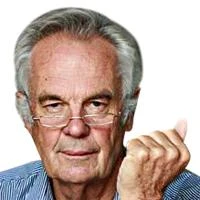
• Jonathan Power is a British journalist, filmmaker and writer.
No wonder the Russians are reported to be delirious that Donald Trump is now president, a man who has said nice things about President Vladimir Putin. If the two meet sometime soon, maybe there will be an end to this unnecessary hostility. The Moscow-Washington relationship is the most important political issue in the world, and this may well be the last chance to get it right.
Russia and the US have never fought each other in the 200 years of their relationship. Russia aided the North during the American civil war, and sent warships to prevent England and France supporting the confederacy. During the world wars, the two were close allies. But they came near to catastrophic war during the Cold War, when Russia armed Cuba with nuclear weapons. This will never happen again. It chilled the blood to zero on both sides.
However, one can imagine limited armed clashes on the Estonian-Russian border, nuclear saber rattling, a more intimate alliance between China and Russia, an urge to sabotage — as was done during the Cold War — any diplomacy or interventions made by the other, and a continuation of both countries keeping their long-range nuclear weapons on hair-trigger alert.
Under H.W. Bush, post-Cold War relations got off to a good start. Nevertheless, the US treated Russia as a defeated nation that could be taken advantage of. Unlike with Germany, Japan and Eastern Europe, there was no effort to help get the Soviet Union and then Russia on to its economic feet. In September 2000, a Congressional report blamed President Bill Clinton’s Russia policy as leading to the nation’s total economic collapse in 1998.
In 2001, President George W. Bush announced that the US would withdraw from the Anti-Ballistic Missile Treaty. When Georgia began its war with South Ossetia and Russia, the US sided with Georgia. Seventy percent of Russians held a favorable view of the US when Clinton took office in 1993, but by 2000 it had gone down to 37 percent. Now it is down to single digits.
Winston Churchill’s observation that “Russia is a riddle wrapped in a mystery inside an enigma” is totally wrong. Any nation would have been riled if it were treated in this way — even a defeated Germany. The Russians are an intensely patriotic, cultured and religious nation. One can say they are on aggregate — in terms of classical music, ballet, opera, literature, architecture and painting — the most cultured nation in the world.
Almost 75 percent of Russians identify as Orthodox Christians, pledged to uphold the same values of helping the poor and turning the other cheek as the other nations of Christendom. They drink too much and can say stupid things and be overly hot-tempered, but they are not some mysterious, oriental predator. They are not Tatars of the steppe. When it comes to foreign policy, they want first and foremost to be left alone with secure borders.
In less than two decades, Russia has been reduced territorially in Europe and the Caucasus to its frontiers of 1600, and in Asia to those of the 18th century. Thus it is highly sensitive to perceived threats to its territorial integrity.
Gorbachev writes many thoughtful articles that are printed in newspapers worldwide. It seems that no one in the Western political elite reads them, despite their wisdom and relevance. He is both a patriot and a good friend of the West.
In one he wrote: “There is much talk in the US about rethinking relations with Russia. One thing that should be definitely rethought: The habit of talking to Russia in a condescending way, without regard to its positions and interests.”
If Trump meets Putin thinking his bullying tactics will be as successful as it has been in his business life, he will come a cropper. He needs to do most of the listening and compromising. If he plays it right, he can get the Russians out of Ukraine, restore good economic interaction, get significant cuts in nuclear weapons, and get a cooperative solution to putting Syria back on its feet and combatting Daesh. Does Trump have the character to do that?
• Jonathan Power is a British journalist, filmmaker and writer.


